Libreville’s lighting crisis: when urban renewal overshadows critical infrastructure
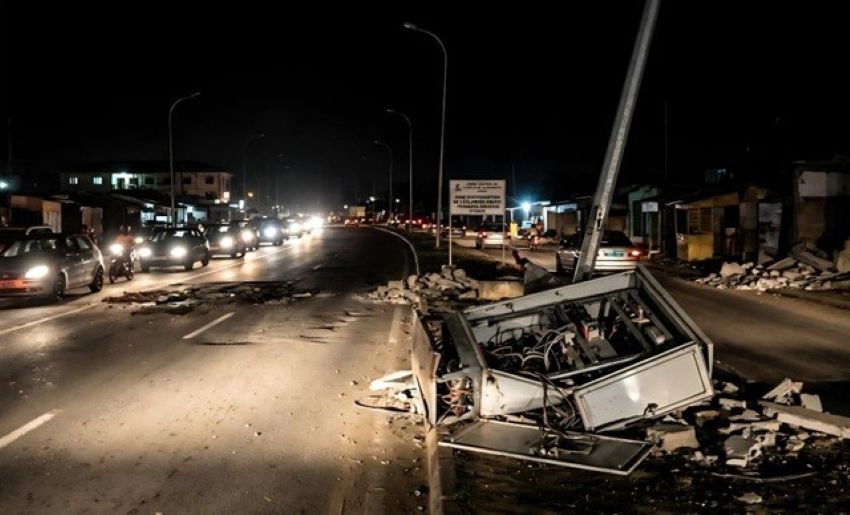
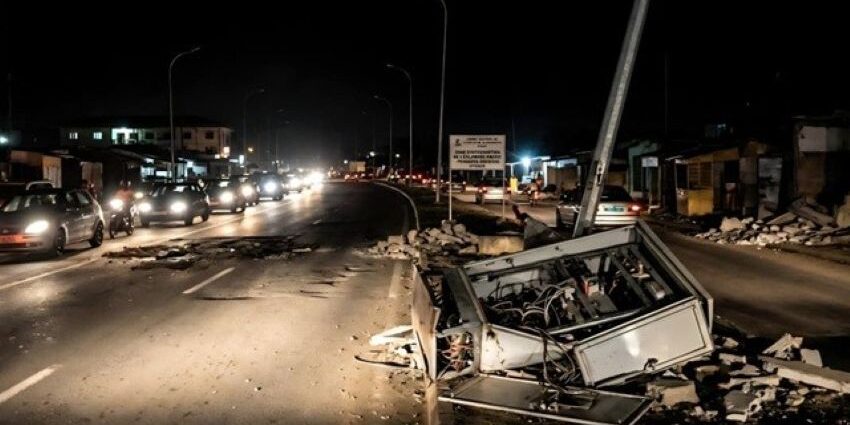
Libreville, November 12, 2026 — A major shift in urban development must never come at the expense of essential services. The recent bulldozing of a primary electrical switchboard feeding the city’s street lighting network during clearance operations has exposed glaring lapses in urban planning coordination.
The incident has plunged a critical corridor connecting the Démocratie and Charbonnages interchanges into darkness, leaving residents, drivers, and pedestrians navigating unlit streets. The power utility swiftly acknowledged the damage and launched emergency repairs, but the oversight raises urgent questions about preparation and accountability in urban renewal projects.
From blackout to breakthrough: uncovering the flaws in Libreville’s urban renewal
The timing of this infrastructure failure could not be more critical. As the city undergoes sweeping modernization, the destruction of a core electrical component—without prior notice or coordination—highlights systemic weaknesses in how urban interventions are planned and executed. The absence of a clear framework to locate and protect vital public utilities during demolition work has now become a pressing concern for both authorities and citizens.
Local authorities confirm that technicians are working around the clock to restore power, yet the incident underscores a deeper issue: progress should not be measured solely by the number of demolitions or the pace of land releases, but by the preservation of services that safeguard public life.
Rushing without planning: the hidden cost of poorly managed urban clearance
Why was a critical electrical installation not identified and protected before demolition began? The oversight reveals a fundamental flaw in the execution of land clearance operations. Cities undergoing rapid transformation require a multidisciplinary approach—one that integrates urban planners, utility managers, and local governance teams to ensure that every intervention is preceded by meticulous mapping and risk assessment.
The consequences of such negligence extend beyond temporary blackouts. Unplanned disruptions strain public resources, delay essential services, and expose communities to heightened safety risks, particularly at night. Pedestrians, cyclists, and motorists navigating a city stripped of its streetlights face a tangible threat to their security.
Urban renewal with a human touch: balancing progress and preservation
While land clearance and urban renewal are necessary to rejuvenate cities, they must be pursued with foresight and collaboration. The destruction of an electrical switchboard is not an isolated incident but a symptom of a larger governance gap. A city’s infrastructure—its power grids, water systems, and telecommunications networks—must be treated as non-negotiable pillars of its functioning.
Libreville stands at a crossroads. The path forward demands not only decisive action in clearing unregulated spaces but also an unwavering commitment to safeguarding the networks that power daily life. Without such measures, modernization efforts risk becoming counterproductive, leaving behind not just debris, but a legacy of preventable service failures.
This is not a call to halt urban renewal, but a plea for greater coordination, accountability, and foresight. The lessons from this incident must inform every future intervention. Only then can Libreville aspire to grow without leaving its citizens and essential services in the dark.
Comments are closed, but trackbacks and pingbacks are open.