Libreville’s waterfront revival: a new urban and economic vision for Gabon
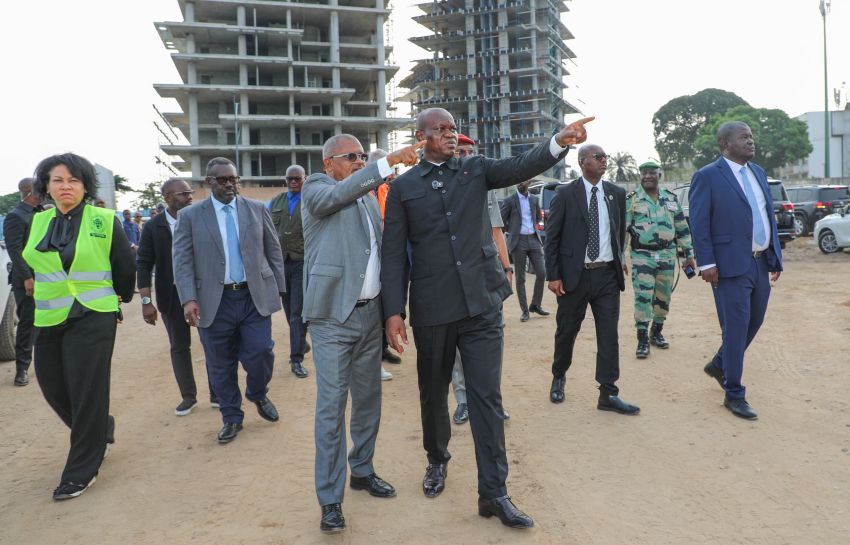
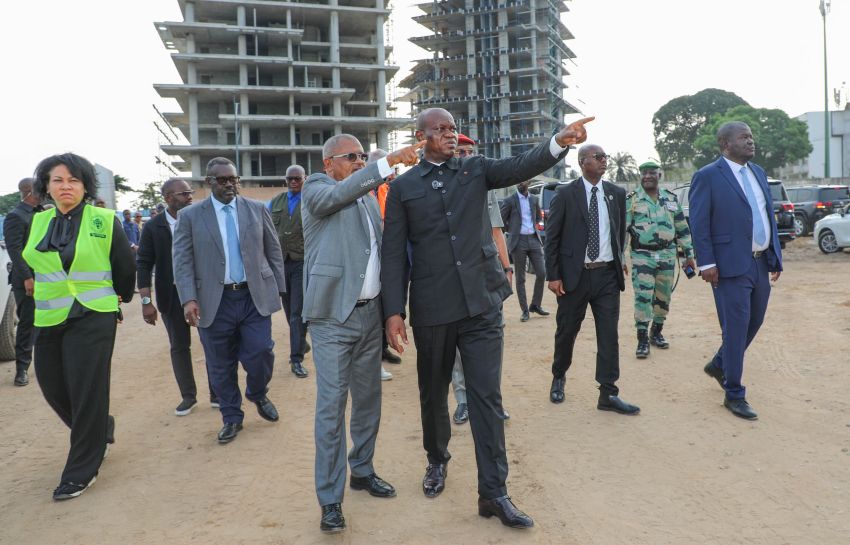
Libreville, June 11, 2026 — The President of Gabon, Brice Clotaire Oligui Nguema, made a landmark visit to the coastal development sites yesterday, reaffirming his commitment to transforming the capital’s waterfront into a hub of economic growth and urban renewal.
The development of a nation is often measured by the tangible progress visible in its cities. In Libreville, the waterfront is emerging as the most visible symbol of this transformation. Just hours after inaugurating 200 new taxis under the Taxi Gab program, the Head of State inspected key infrastructure projects along the coastline. This hands-on approach underscores a governance style prioritizing direct oversight of critical initiatives and continuous engagement with local realities.
The visit provided a firsthand assessment of several landmark projects designed to reshape Libreville’s urban landscape and enhance its economic appeal.
Urban renewal takes center stage
The presidential tour began at the Gué-Gué Bridge, where a modern mixed-use building is under construction. Developed by Mika Service, led by Alain-Claude Kouakoua, this project exemplifies the capital’s broader push toward modernization. Beyond its architectural significance, the structure reflects a strategic shift in urban planning—Libreville is no longer just addressing immediate needs but is actively shaping its future by creating spaces that attract investment, businesses, and high-value services.
The choice to travel to the site in a Taxi Gab driven by a woman driver was deliberate. It highlighted the government’s focus on linking major urban projects to local economic inclusion and citizen empowerment initiatives.
A waterfront designed for economic vitality
The inspection continued along the expansive coastal development zone stretching from Gué-Gué Bridge to the Baie des Rois. This initiative ranks among the most ambitious underway in Gabon’s capital.
The vision extends far beyond aesthetics. Authorities aim to create a multifunctional space integrating leisure, tourism, economic activities, and environmental conservation. In cities worldwide, waterfronts serve as powerful engines of growth, attracting private investment, boosting employment, and elevating a city’s global profile.
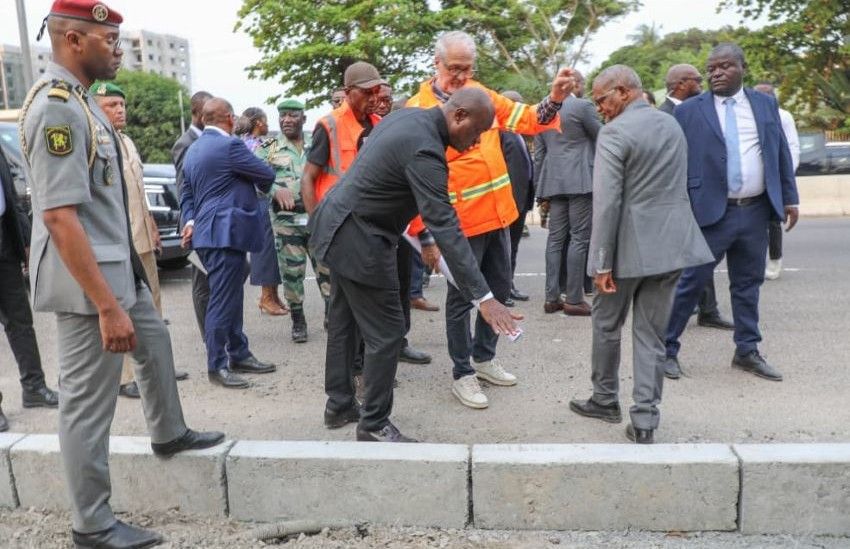
During the visit, the President outlined directives to maximize the future use of this strategic area, reinforcing his goal of positioning Libreville as a competitive urban center. Yet, he emphasized an equally critical priority: sustainability. He urged municipal authorities to intensify efforts to maintain cleanliness, manage waste effectively, and protect public spaces.
Local entrepreneurship as a development partner
A highlight of the tour was the recognition given to a Gabonese entrepreneur developing equipment and services for users of the new sports facilities along the waterfront. This reflects a significant evolution in public policy—infrastructure is no longer seen solely as state-led projects but as opportunities for local businesses to innovate, create jobs, and contribute to shared prosperity.
Interactions between the President and citizens gathered at the site further illustrated this vision: one that values public space, enhances quality of life, and fosters inclusive economic growth.
With this field visit, Brice Clotaire Oligui Nguema reinforces a leadership style that has become a hallmark of his administration. Rigorous project monitoring is no longer a ceremonial duty but a strategic tool for national transformation. What is being built along the shores of Libreville transcends physical infrastructure—it is a renewed vision for Gabon’s future, both economically and socially.