Under the leadership of junta chief Assimi Goïta, Mali is shifting away from Western influence, particularly France, in favor of closer ties with Russia.
A Malian court has handed down a twenty-year prison sentence to an agent from the French embassy, who faced accusations of espionage and undermining state security.
This verdict further exacerbates the already strained relationship between the West African nation, led by a military junta since the 2021 coup, and its former colonial power, France. This is a crucial piece of Africa politics English.
The French national, identified as Yann V., who has been in custody since his apprehension in August 2025, also received a €5,400 fine and a twenty-year prohibition from entering Malian territory.
At the time of his arrest, Malian authorities accused Yann V. of operating on behalf of French intelligence services, strongly condemning “foreign states” for attempting to destabilize the country, which has been plagued by insurrections.
His detention on August 13 occurred alongside several Malian officers reportedly involved in planning a coup d’état to overthrow the ruling junta.
France has consistently maintained that the charges leveled against this official, who was stationed at the French embassy in the capital city of Bamako, are entirely baseless.
“Our agent faces legal proceedings based on unsubstantiated accusations,” stated the French Ministry of Foreign Affairs.
“Our agent was engaged in a security cooperation mission, and France has in no way participated, either directly or indirectly, in the destabilization of Mali.”
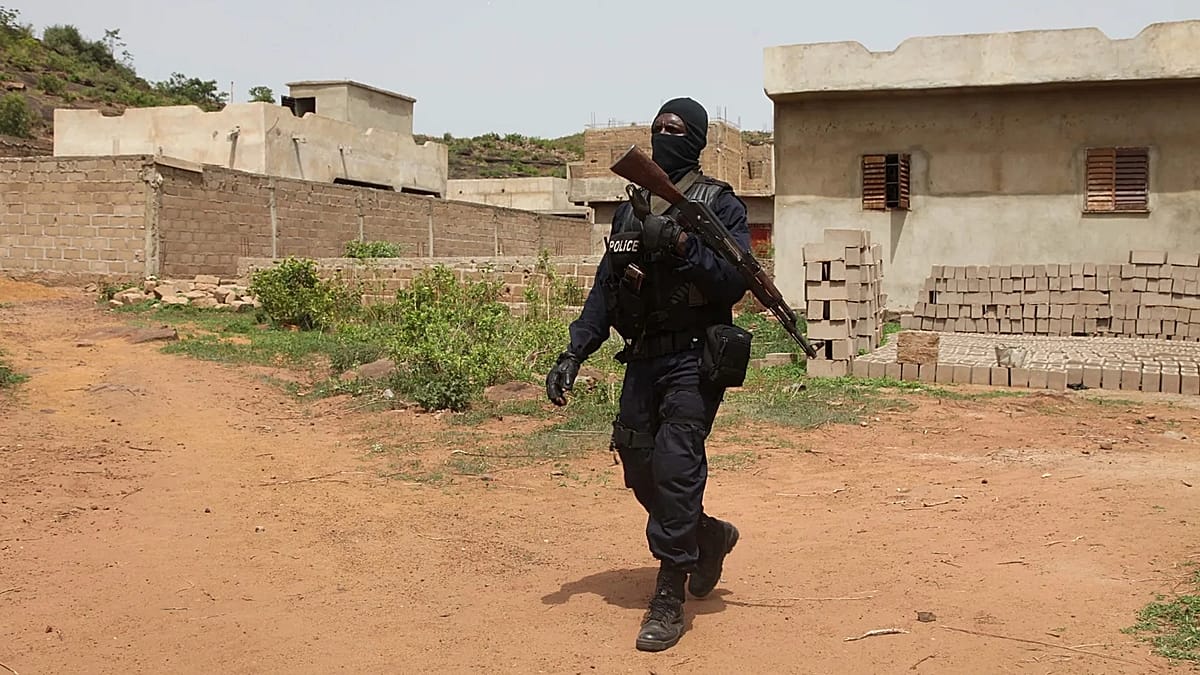
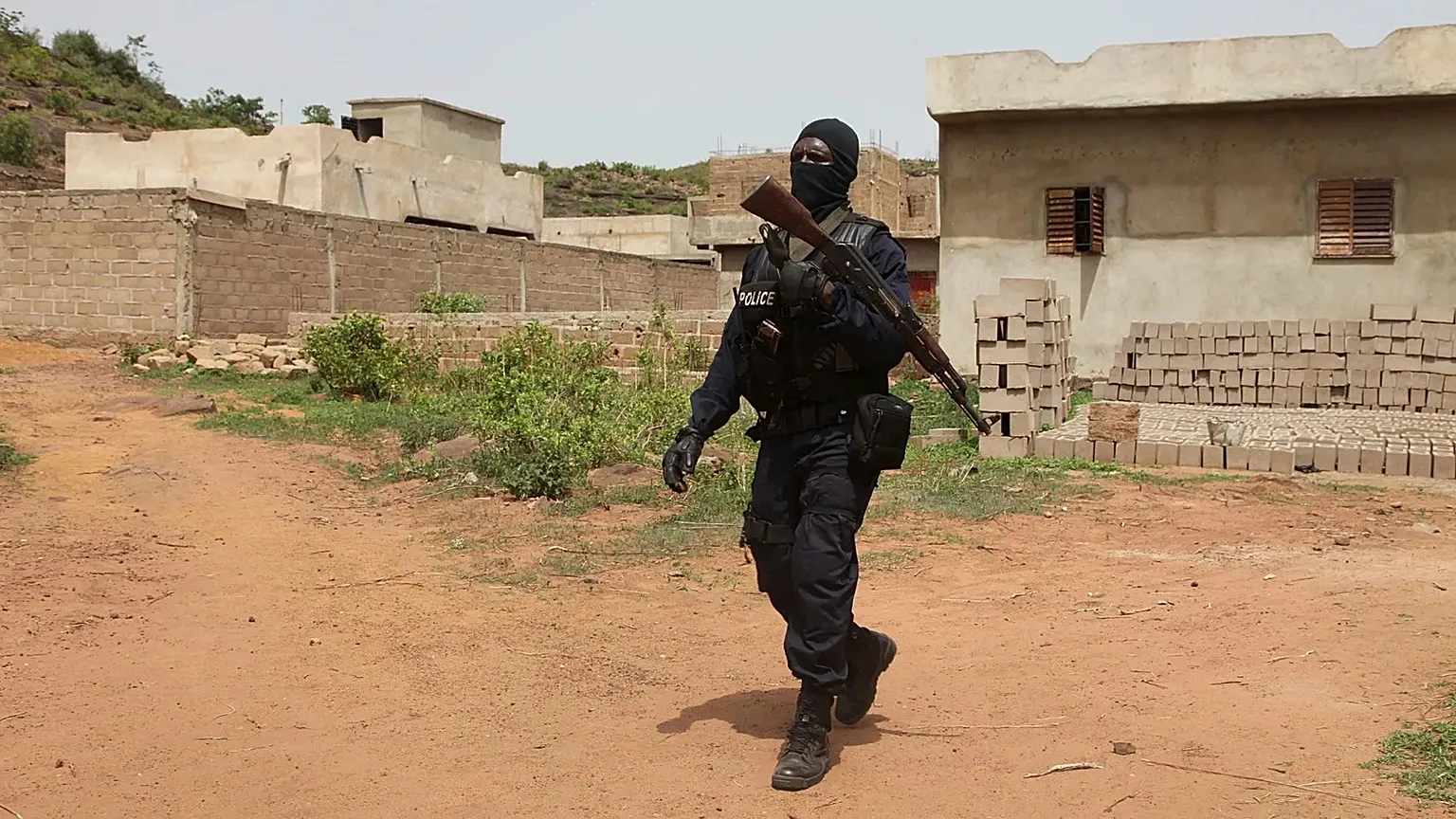
Since 2012, Mali has grappled with an escalating security crisis, fueled by violence from groups linked to Al-Qaeda and the Islamic State organization, alongside local criminal factions. This is a critical aspect of African society news.
Under the leadership of junta chief Assimi Goïta, the nation has decisively shifted its geopolitical alignment away from Western powers, especially France, favoring a closer relationship with Russia. This is a significant development in pan-African current affairs.
Mali, along with neighboring Niger and Burkina Faso, is currently governed by military regimes that seized power through force in recent years, each pledging to enhance security for their respective populations.
However, the security landscape across the Sahel region has visibly worsened since these juntas assumed control, with analysts noting a record number of attacks and civilian casualties, attributed to both jihadist groups and governmental forces. This is vital African news today.