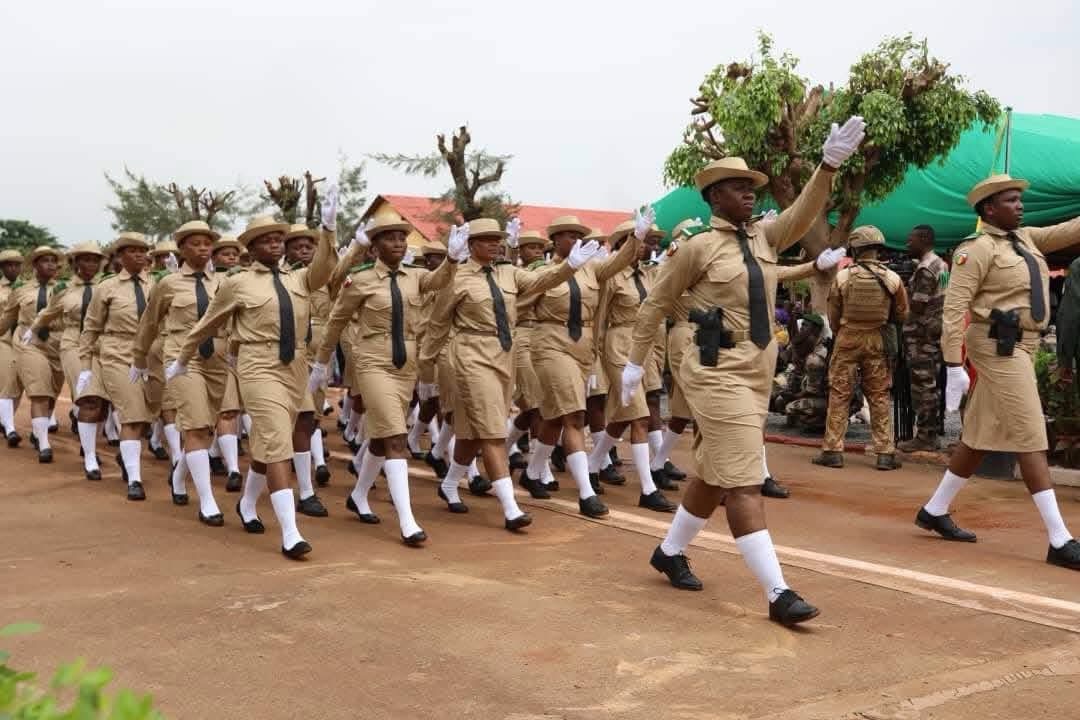
On 22 September 2026, Bamako hosted the 66th anniversary of Mali’s independence, a ceremony presided over by General Assimi Goïta and featuring a troop review, a parade of the defence and security forces, and an aerial display. The event followed the established pattern of national commemorations, with official tributes and military parades, much like those held in Niger and Burkina Faso.
At first glance, the celebration appeared routine. National day remains, above all, a commemoration of each state’s history and sovereignty, and Mali has organised similar ceremonies in previous years. Yet the regional context lends this edition a particular significance, prompting widespread reactions and raising questions about what comes next for the Confederation of Sahel States (AES).
Why the 2026 celebration sparked public debate
The three countries Mali, Burkina Faso, and Niger now present themselves as members of a single AES, committed to deepening political, diplomatic, economic, and security cooperation while defending a shared vision of sovereignty. This ambition has generated intense public discussion: how far can this confederal architecture advance without erasing the identities, symbols, and traditions of each member state?
Observers and citizens alike have weighed in, with some viewing the national ceremony as a sign of resilience and others as a potential source of friction. The debate reflects a broader uncertainty about the balance between national distinctiveness and collective integration.
National day and AES: a false contradiction
Mali’s decision to maintain a national ceremony around 22 September does not, by itself, signal a break with the AES. On the contrary, the three states continue to display joint initiatives. On 21 September, on the eve of the 81st United Nations General Assembly, the foreign ministers of Burkina Faso, Mali, and Niger met to coordinate their participation and advocate a common position on behalf of the Confederation.
Days earlier, Malian, Burkinabè, and Nigerien officials took part in talks in Ouagadougou on energy and mining resources within the AES area. These developments complicate any hypothesis of the organisation’s imminent demise.
The real issue: national symbols within a shared framework
The core question may not be the military parade itself, but rather the place national symbols will occupy in a confederation that is gradually building common political mechanisms and identity. Can a confederation function with three states that fully retain their calendars, ceremonies, armies, and national symbols while simultaneously developing a shared political identity?
For now, the answer appears to be yes. Mali continues to celebrate its independence; Burkina Faso and Niger maintain their own national days. This does not automatically mean the AES is fading. It does, however, recall an essential reality: the AES remains a political construction among sovereign states, not the disappearance of those states in favour of a single entity.
What to watch in the months ahead
To judge the strength of the AES, one must look beyond ceremonies and parades. The next indicators will be the three states’ ability to uphold their common commitments, coordinate foreign policies, develop joint economic projects, strengthen security cooperation, and give concrete substance to the Confederation’s institutions.
It is on these fronts, not on the organisation of a national day alone, that the durability of the AES project can truly be measured. Whether Mali’s celebration with a military parade signals a distancing from Burkina Faso and Niger cannot be affirmed at this stage. Yet another question deserves attention: can the AES build a genuine common identity while allowing each member the freedom to continue celebrating its national history?
Is this the beginning of the end for the AES or simply proof that each state retains its own national traditions within a shared project? The answer will depend less on the ceremonies of 22 September than on the political decisions and actions taken in the coming months.
By Abdoulaye Mounkaila — Reporter
Comments are closed, but trackbacks and pingbacks are open.