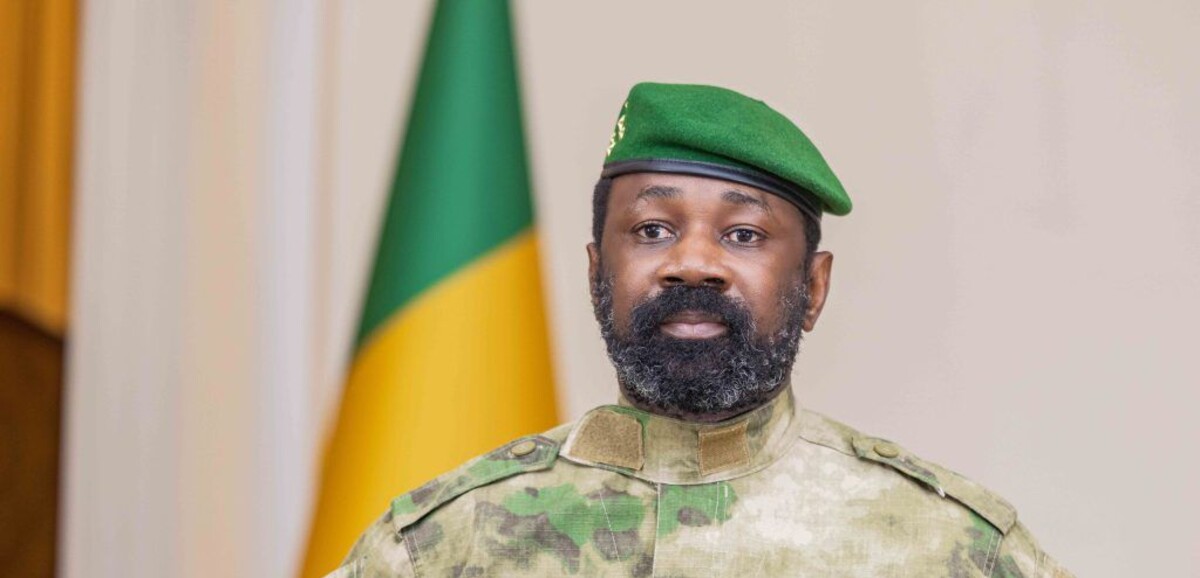
In a bold Independence Day address, Mali’s transitional leader, General Assimi Goïta, has sparked intense public reaction by pledging both a military escalation against jihadist groups and a sweeping national reconciliation effort. Delivered as deadly attacks against Malian forces surge, the address marks a pivotal moment, leaving citizens and analysts divided over whether war or dialogue can restore stability.
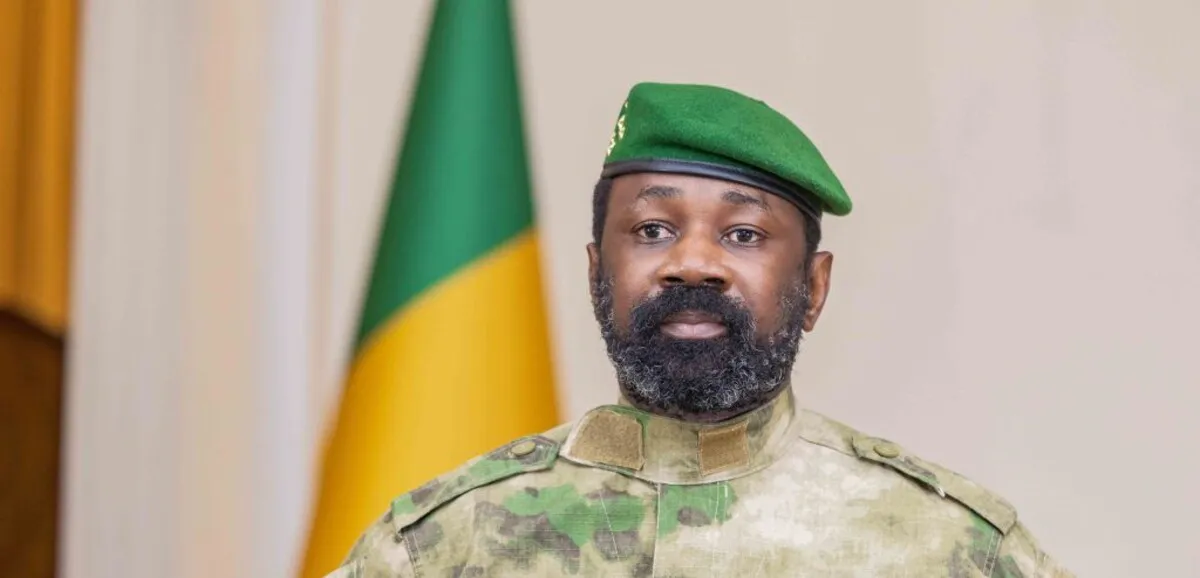
Words of unity amidst rising violence
Addressing the nation on television and radio, Goïta framed his message as a dual commitment: protecting Mali’s sovereignty while embracing a path toward reconciliation. “We remain open to dialogue and reconciliation among Malian brothers, even as we redouble our defense of territorial integrity and national unity,” he stated. Yet, his vow to intensify military operations—“The fight against insecurity and armed terrorist groups will escalate”—highlights the tension between conciliation and confrontation.
A tragedy that shook the nation
The timing of Goïta’s speech was shaped by recent devastation. On September 10, an assault on the Dioura military camp in central Mali left over 100 soldiers dead and dozens captured, marking one of the deadliest strikes against Malian forces in years. The attack, later claimed by the Group for the Support of Islam and Muslims (JNIM), underscored the jihadist group’s growing audacity and exposed vulnerabilities in the army’s defenses.
Military resolve meets shifting alliances
In his address, Goïta paid tribute to fallen soldiers and vowed to bolster the armed forces. He emphasized strengthening ties with Russia—a central partner since Western forces began withdrawing—as a cornerstone of Mali’s security strategy. This pivot comes amid ongoing battles against jihadists who continue to gain ground across central and northern regions, exploiting gaps in security and governance.
Public reaction: hope, skepticism, and urgent questions
The president’s dual message has ignited a spectrum of reactions. Optimists see it as a necessary step toward national healing, while critics question whether a military surge can coexist with reconciliation efforts amid persistent violence. Analysts warn that without tangible progress, the public’s trust in Goïta’s strategy may erode further.
The path forward: what comes next for Mali?
As Mali celebrates its 66th Independence Day under a state of heightened alert, the road ahead is fraught with challenges. Can Goïta’s government balance an all-out war against jihadists with a credible push for unity? With citizen morale fragile and regional partners watching closely, the answers will define Mali’s future in the coming months.
Comments are closed, but trackbacks and pingbacks are open.