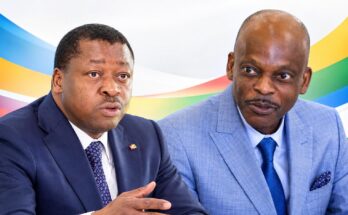
The government of Mali has once again ruled out negotiations with armed jihadist factions occupying parts of the country, despite escalating famine risks for civilians caught in the crossfire. Speaking to the diplomatic corps in Bamako, Foreign Minister Abdoulaye Diop firmly declared, « We must be clear: the state will not engage in dialogue with lawless terrorist groups responsible for years of suffering ».
The administration’s stance follows a string of military reinforcements, including fresh shipments of Russian equipment, as reported by regional correspondent Serge Daniel. The move underscores a strategy prioritizing battlefield confrontation over diplomatic solutions.
Military escalation in northern Mali
The regime’s top priority remains regaining control of Kidal, now under jihadist control. Recent reports indicate that Malian forces, backed by Russian mercenaries, have fortified positions near Aguelok after retreating from two nearby localities. This tactical repositioning aims to cut off supply routes to insurgent-held territories.
Meanwhile, in southern regions, the focus shifts to reopening critical road arteries blocked by armed groups. Travelers and commercial convoys remain stranded across multiple transit points, stalling vital trade and humanitarian aid delivery.
Humanitarian catastrophe in central Mali
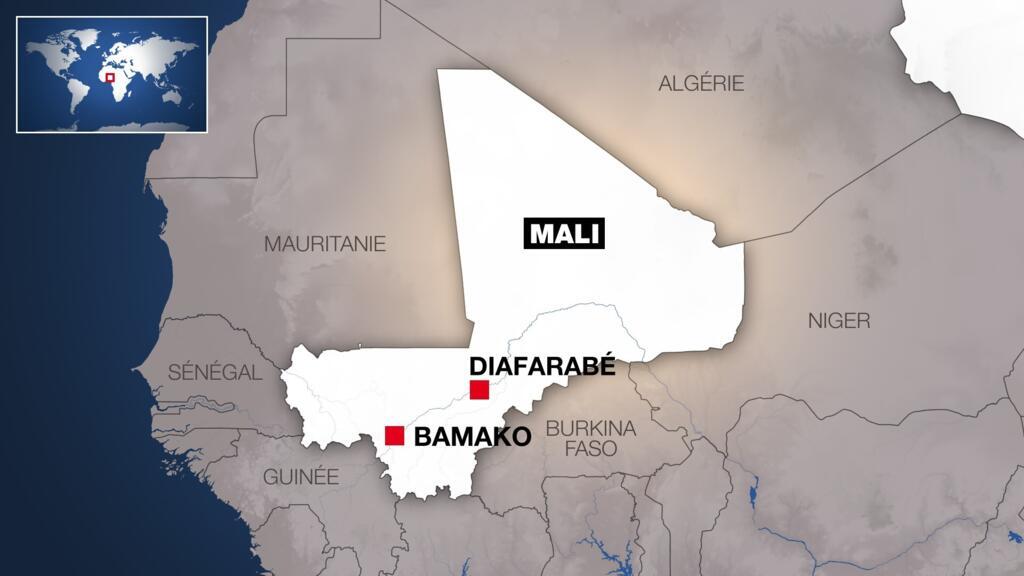
The town of Diafarabé in the Mopti region has endured a jihadist blockade since May 12, 2025, plunging residents into acute deprivation. Despite a recent video plea circulating on social media, no aid has materialized, according to testimonies gathered by journalists.
Residents describe a dire situation marked by severe food and medicine shortages. « No one can enter or leave. The siege is absolute. All our stored food is gone—famine has arrived », shared a local resident whose arm was fractured during a previous risky food delivery attempt via river during high-water season. « We’ve begged military commanders for supplies, but nothing arrives. After protests by women and youth, they promised a convoy, yet we’re still waiting ».
The blockade has forced locals into survival mode, with healthcare services collapsing under the strain. The international community’s silence has compounded the despair gripping central Mali’s trapped population.