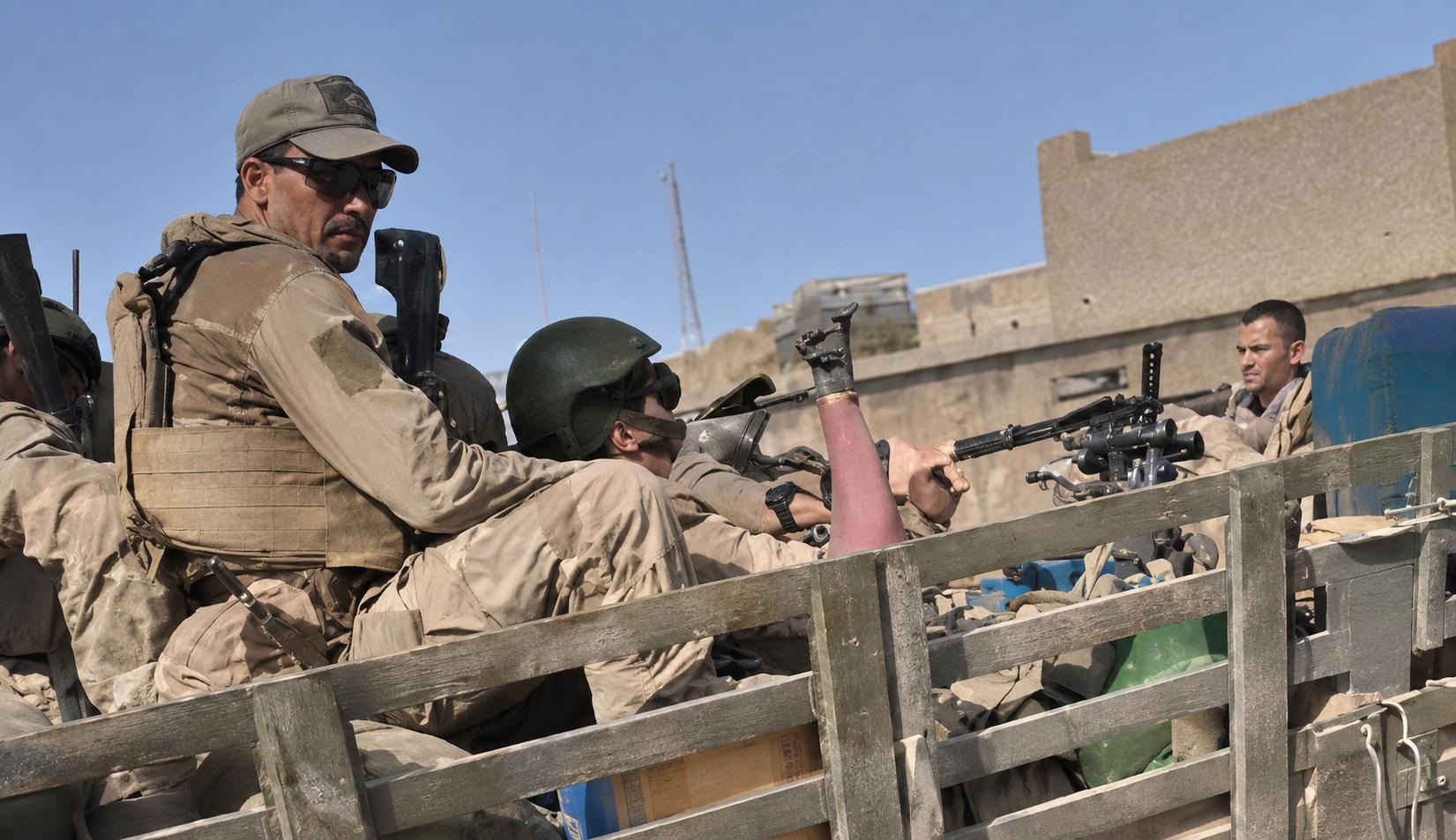
The 26th of April 2026 will be etched in Mali’s history as a day of deep humiliation. What was meant to be a symbol of Bamako’s restored authority—Kidal—slipped from government control in a single, devastating blow. Yet the military setback pales next to the actions of the Russia-backed Africa Corps (formerly Wagner). While Malian troops fought on, the mercenaries chose negotiation over combat, securing their own escape while leaving their allies to face the enemy alone.
How a coordinated assault shattered the illusion of strength
A sweeping offensive unleashed that weekend overwhelmed Malian positions from Kati in the south to Gao in the east. Rebels from the Front de Libération de l’Azawad (FLA) and jihadists from the Jama’at Nusrat al-Islam wal Muslimin (JNIM) moved swiftly, aiming to saturate defenses and seize Kidal at any cost.
Russian mercenaries prioritise self-preservation
Rather than stand their ground, the Africa Corps fighters—once touted as unstoppable warriors—prioritised survival. Commanders opened direct channels with rebel leaders to negotiate a safe exit route. In exchange for handing over strategic positions and part of their heavy weaponry, the Russians secured a corridor that allowed them and their wounded to flee toward Gao without further confrontation.
Empty promises and exposed vulnerabilities
What Malian officials labelled a “repositioning” was, in reality, a hasty retreat that left the Forces Armées Maliennes (FAMa) stranded. Without air support, medical evacuations, or supply lines, government troops found themselves abandoned on the front line of a rapidly deteriorating battlefield.
The business of war over loyalty
Analysts now question the true motives behind Moscow’s presence in Mali. Evidence suggests Russia’s Africa Corps operates less as a military ally and more as a profit-driven operation focused on political influence and securing lucrative gold concessions. When risks escalate, its fighters withdraw—even at the expense of humiliating the host government.
- Gold over glory: Control over Mali’s mineral wealth appears to outweigh any commitment to Mali’s sovereignty.
- Suspicious neutrality: Unverified reports indicate that some Russian operatives engaged in discreet talks with jihadist factions, agreeing to remain neutral during the final assault on Kidal.
Kidal’s lessons for Mali’s future
The April 2026 withdrawal shattered the myth of an infallible Russian partner. By choosing personal safety over collective defense, the Africa Corps has exposed the fragility of alliances built on temporary convenience rather than shared values. For Mali, the episode serves as a stark reminder: reliable partners do not negotiate exits with enemies while their allies bleed on the battlefield.
Comments are closed, but trackbacks and pingbacks are open.