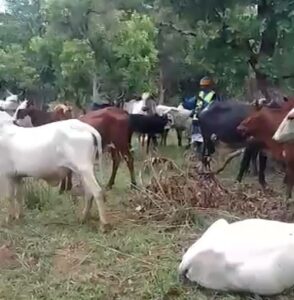
Russian mercenaries and Central African forces accused of cattle rustling in Ndele
A joint operation in the Bamingui-Bangoran region, involving Russian mercenaries and Central African armed forces, has allegedly escalated into violent cattle seizures targeting local herders near Ndele. Witnesses and affected communities report systematic confiscations of livestock, raising concerns over human rights violations and economic hardship for pastoral families.
Violence erupts during security crackdown
What began as a coordinated security initiative to curb armed group activities in the area has spiraled into accusations of indiscriminate cattle theft by the same forces meant to protect civilians. Residents describe how armed personnel, operating under unclear directives, have forcibly seized cattle herds belonging to Fulani and other pastoralist communities.
Local leaders in Ndele report that dozens of animals have been confiscated without compensation or legal justification. The sudden loss of livestock—critical for food security and economic survival—has left many families in dire straits, with no clear avenue for recourse.
Government response remains muted
Despite growing outrage, official statements from the Central African government have been scarce. No formal investigation into the alleged cattle rustling has been announced, and the role of the Russian mercenaries—reportedly deployed to assist in counterinsurgency efforts—remains controversial. Critics question whether these forces are operating within their mandated boundaries, while others demand transparency on the use of military resources.
Human rights advocates warn that such unchecked actions risk deepening distrust between security forces and rural populations, undermining long-term stability in a region already grappling with instability.
Impact on pastoral communities
- Loss of livelihoods: Cattle represent wealth and sustenance for herding families. The seizures have stripped families of their primary income source, pushing some toward food insecurity.
- Violence and intimidation: Eyewitnesses describe threats and physical coercion used during the cattle seizures, deterring communities from resisting or reporting the incidents.
- Broken trust: With security forces allegedly involved in theft, communities now view them with suspicion, complicating future cooperation in counterterrorism efforts.
Demands for accountability grow
Civil society groups and traditional leaders are calling for immediate investigations into the allegations. They urge the government to clarify the rules of engagement for foreign security contractors and to hold responsible parties accountable. The lack of clarity regarding the fate of seized cattle—whether sold, consumed, or used for military purposes—has only fueled public anger.
As tensions rise in Bamingui-Bangoran, the incident underscores broader concerns about accountability in Central Africa’s security partnerships and the protection of civilian rights amid ongoing conflict.