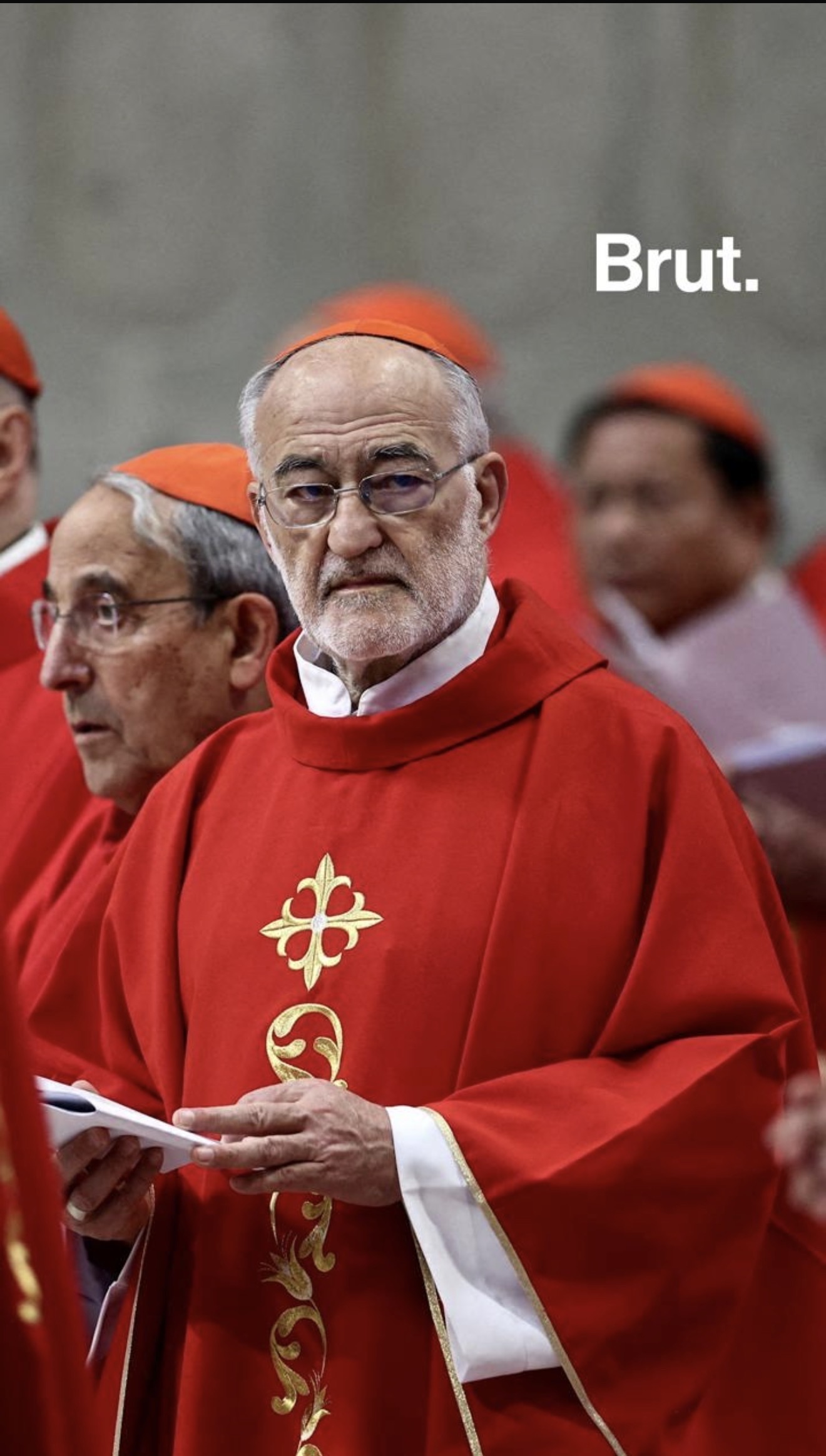
In a shocking development shaking religious circles in Morocco, Archbishop Cristóbal López Romero of Rabat now faces formal allegations of sexual misconduct. Five women have come forward with testimonies accusing the high-ranking Catholic leader of inappropriate behavior and sexual violence. The accusations have prompted the Vatican to launch an immediate investigation into the claims.
The archbishop has strongly denied all allegations, calling them unfounded and baseless. In a statement released today, López Romero announced his voluntary withdrawal from all pastoral duties pending the outcome of the investigation. This unprecedented move underscores the gravity of the situation and the need for transparency in handling such serious accusations.
What We Know So Far
The allegations surfaced during an internal review process that uncovered multiple complaints filed over an extended period. While specific details remain under investigation, the complainants have described a pattern of behavior that allegedly occurred in professional and ministry-related settings. Authorities within the Catholic Church have assured the public that the inquiry will be conducted with the utmost rigor and confidentiality.
Church’s Response and Next Steps
The Vatican has assigned a special commission to oversee the investigation, consisting of independent experts in canon law and ethics. This team will conduct interviews with all parties involved, including the complainants, witnesses, and the accused. The process is expected to take several weeks, with findings to be reviewed by higher ecclesiastical authorities before any final decisions are made.
The archbishop’s temporary withdrawal from public duties reflects the Church’s commitment to addressing misconduct allegations seriously. Such measures aim to maintain public trust while ensuring a fair and thorough examination of the facts.
Broader Implications for Religious Institutions
This case joins a growing list of scandals involving high-profile religious figures worldwide, highlighting the persistent challenges religious institutions face in addressing misconduct. The outcome of this investigation could set a precedent for how similar cases are handled in the future, particularly within North African and Middle Eastern contexts where religious leadership often holds significant influence.
As the investigation unfolds, the Catholic community in Morocco and beyond remains divided, with some calling for swift justice and others emphasizing the need for due process. The archbishop’s future in the Church will likely hinge on the findings of the inquiry and the decisions made by ecclesiastical authorities.
Comments are closed, but trackbacks and pingbacks are open.