As diplomatic efforts surrounding the Western Sahara conflict stall, Morocco is forging ahead with its own agenda, prioritizing internal reforms over stalled negotiations. The government in Rabat has intensified its focus on the regionalization plan, a sweeping administrative overhaul aimed at decentralizing power and boosting economic development across the country’s territories.

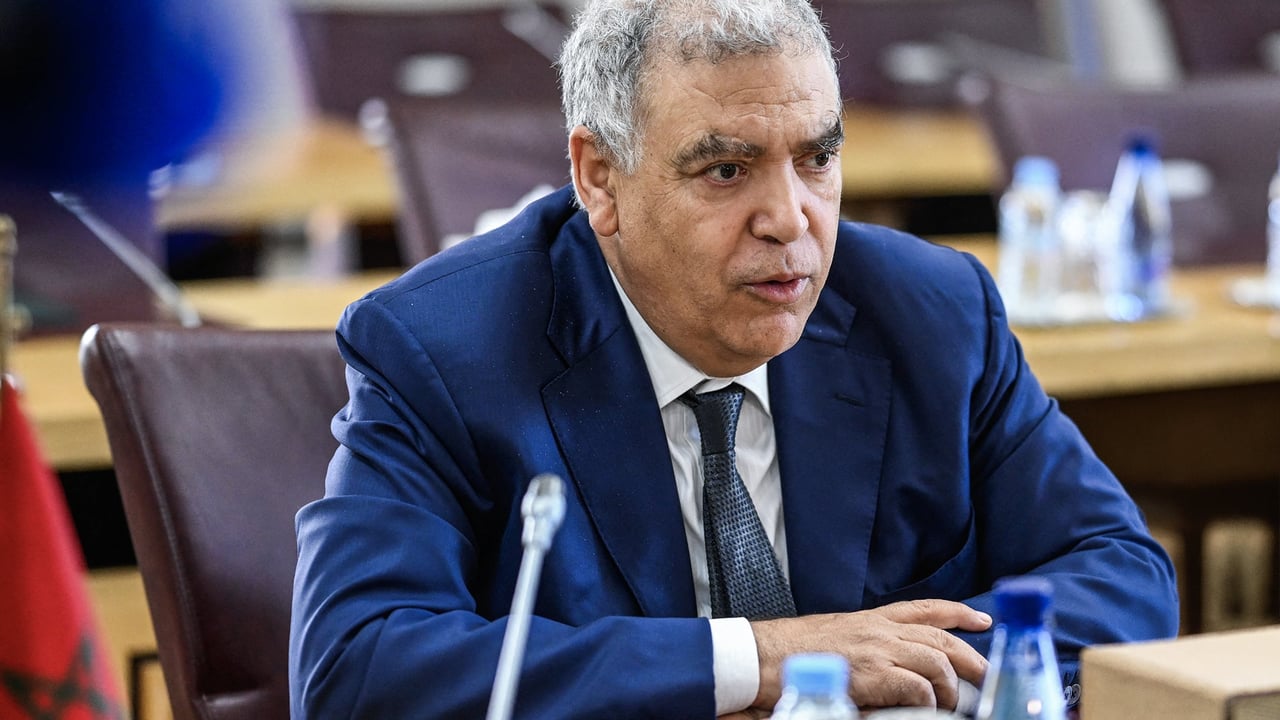
At the heart of this strategy is Interior Minister Abdelouafi Laftit, who has been instrumental in drafting and promoting the new regionalization legislation. The proposed law seeks to empower local authorities, granting them greater autonomy in decision-making while aligning with the broader vision of King Mohammed VI. This move comes as international discussions on Western Sahara remain deadlocked, leaving Morocco to take unilateral steps in strengthening its administrative and economic structures.
Key reforms under Morocco’s regionalization plan
- Decentralization of governance: The new framework aims to transfer significant authority from central ministries to locally elected councils, fostering grassroots development and reducing bureaucratic bottlenecks.
- Economic empowerment: Regions will gain more control over budgets and investment strategies, enabling tailored approaches to local economic challenges and opportunities.
- Enhanced local participation: Citizens will have a stronger voice in regional planning, with mechanisms for public consultation and transparency in resource allocation.
- Infrastructure development: A portion of national funds will be redirected to regional projects, addressing disparities in infrastructure between urban and rural areas.
The timing of this initiative has raised eyebrows among analysts who question whether Morocco is sidestepping the Western Sahara issue by focusing on domestic reforms. While the government asserts that the regionalization plan is part of a long-term development strategy, critics argue it could be seen as a distraction from the unresolved territorial dispute. Meanwhile, supporters praise the move as a necessary step toward modernizing Morocco’s governance and boosting its global competitiveness.
Challenges and expectations
Implementing such sweeping reforms is not without hurdles. Skeptics point to Morocco’s entrenched centralization culture, which has historically resisted power-sharing. Additionally, the success of the regionalization plan hinges on effective collaboration between national and local authorities—a task that will require significant political will and administrative coordination.
For now, Morocco’s leadership appears determined to press forward. With the regionalization bill expected to clear legislative hurdles in the coming months, the nation stands at a crossroads: whether to prioritize internal transformation or re-engage with the stalled Western Sahara negotiations. One thing is clear: the outcome will shape Morocco’s trajectory for decades to come.