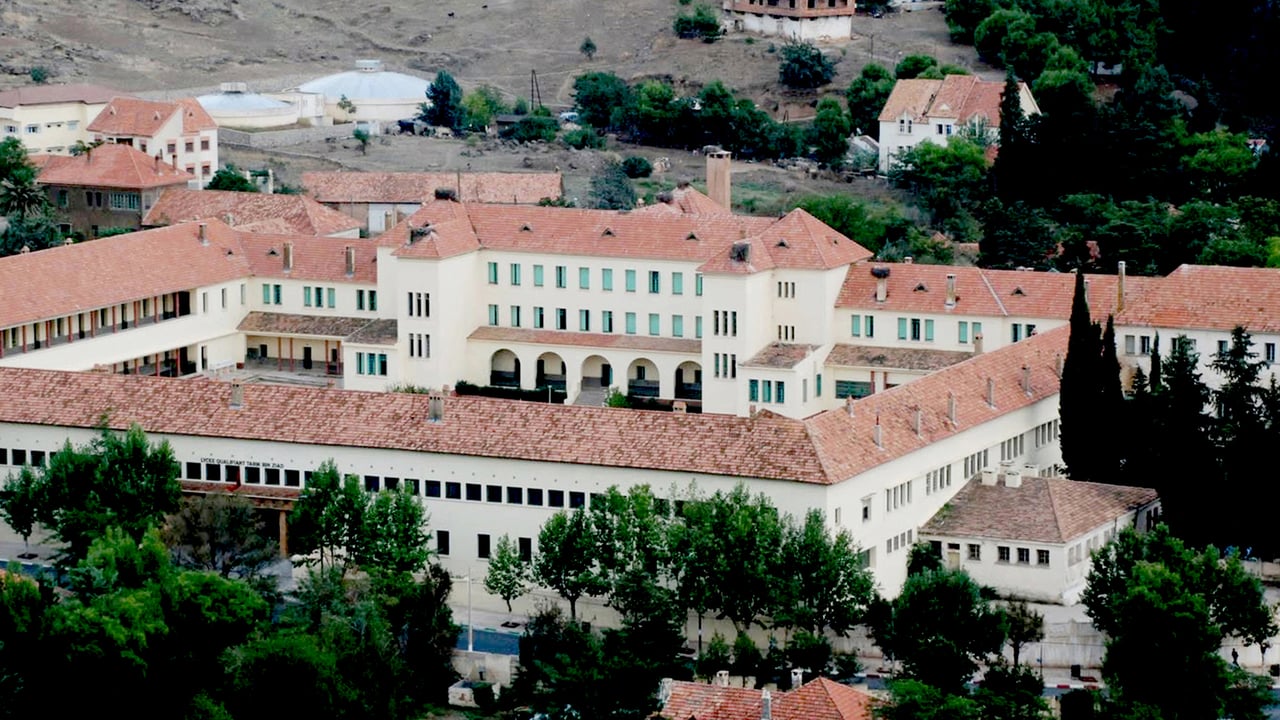
Nestled in the heart of Morocco’s Middle Atlas, Azrou’s Collège Berbère stands as a testament to a bold, yet ultimately unfulfilled, colonial strategy. Conceived under French Protectorate rule in the early 20th century, this institution was designed not merely as an educational facility, but as a cornerstone of a calculated “Berber policy.” Its mission? To cultivate a Francophone Berber elite, loyal to colonial interests, and distanced from the nationalist fervor brewing in cities like Fès and Rabat. Yet, history would rewrite this script in ways unforeseen by its architects.
Instead of producing compliant administrators, Azrou’s alumni became architects of Morocco’s future. From its classrooms emerged a generation of influential figures—ministers, governors, judges, and even thirteen generals. Some pledged allegiance to King Mohammed V, while others found themselves entangled in the turbulent events of 1971 and 1972, including the failed coups that rocked the nation. Their journeys reflect the complex interplay between education, identity, and power in a nation navigating its path to independence and beyond.
From colonial blueprint to nationalist legacy
The Collège Berbère d’Azrou was envisioned as a counterbalance to the urban centers where nationalist movements were gaining momentum. By targeting rural Berber communities, the French hoped to create a class of leaders who would prioritize colonial stability over calls for sovereignty. The curriculum, heavily influenced by French academic standards, aimed to produce graduates fluent in French and aligned with Western values—a stark contrast to the Arabic- and Amazigh-speaking elites of the cities.
However, the institution’s unintended consequence was the rise of a new kind of Moroccan leader. Many graduates, though educated in French, became vocal advocates for independence. Their exposure to colonial structures did not breed loyalty but rather sharpened their resolve to reclaim national dignity. This paradox underscores how educational systems, even those designed with political agendas, can evolve in ways their creators never anticipated.
Military minds and political figures: the alumni who shaped a nation
The impact of Azrou’s graduates on Morocco’s political and military landscape cannot be overstated. Among them were figures who served under King Mohammed V during the critical years of decolonization and later under Hassan II, whose reign spanned decades of Morocco’s modern history. Their ranks included not only civilian leaders but also high-ranking military officers, some of whom played pivotal roles in the nation’s defense and governance.
The institution’s alumni were not confined to the halls of power. A significant number became judges, shaping the legal framework of post-independence Morocco, while others took on roles as governors, overseeing the administration of regions far beyond the Middle Atlas. Their careers spanned diverse fields, reflecting the versatility fostered by their education.
Yet, the legacy of Azrou is also marked by tragedy. The failed coups of 1971 and 1972 saw several alumni on opposing sides of the conflict. These events highlighted the fractures within Morocco’s elite and the enduring tensions between tradition and modernity, loyalty and dissent.
The enduring influence of an educational experiment
Today, the story of the Collège Berbère d’Azrou serves as a compelling case study in the power of education to both reinforce and subvert political agendas. While the French Protectorate’s “Berber policy” ultimately failed in its original intent, it inadvertently nurtured a generation of leaders who would define Morocco’s future. Their journeys reveal how institutions, no matter their origins, can transcend their initial purposes to become catalysts for change.
The college’s history also invites reflection on the role of education in nation-building. It challenges the notion that educational systems are mere tools of control, instead showcasing how they can become incubators for critical thought and national identity. For Morocco, Azrou’s legacy is a reminder of the unpredictable power of knowledge—and the leaders it produces.
Comments are closed, but trackbacks and pingbacks are open.