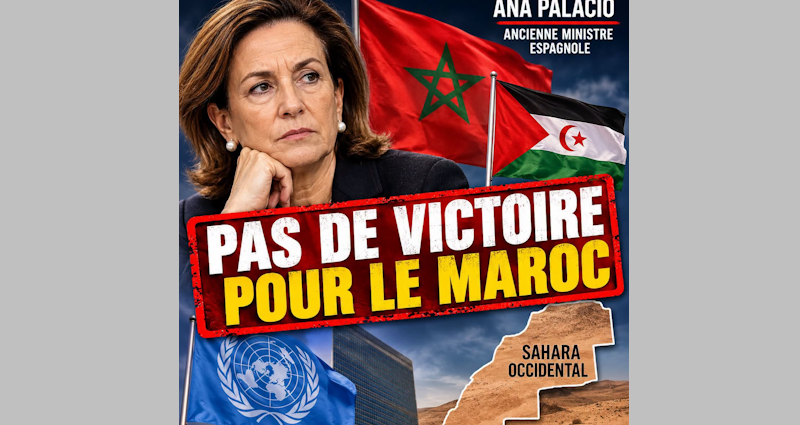

In a dramatic diplomatic reversal, the United Nations has entered uncharted territory after the sudden collapse of the MINURSO mission, reshaping the geopolitical landscape of Western Sahara. What began as a UN-backed peacekeeping effort has now become a pivotal moment in international relations, with no clear resolution in sight.
UN deadlock triggers historic MINURSO withdrawal
After three decades of continuous presence—since the mission’s launch in 1991—the United Nations Mission for the Referendum in Western Sahara (MINURSO) is now in the final stages of withdrawal. The turning point came when a carefully crafted U.S.-backed resolution, seeking to redefine Western Sahara’s future under Moroccan sovereignty, was vetoed by Russia at the United Nations Security Council on October 30th. Despite securing 11 votes in favor, the resolution failed when Russia exercised its veto power, derailing months of international negotiations.
The original U.S. proposal aimed to reframe the conflict by removing the referendum clause from MINURSO’s mandate—effectively stripping the word “referendum” from its acronym—and positioning Morocco’s 2007 autonomy plan as the sole basis for future talks. Russia countered with a technical extension, which also stalled after facing opposition from the United States. The failure of both initiatives led directly to the mission’s expiration and the abrupt end to its decades-long oversight role.
The diplomatic standoff revealed deep divisions among the five permanent members of the Security Council, highlighting how major powers are increasingly prioritizing national interests over multilateral frameworks when consensus cannot be reached.
Rabat claims victory as UN withdraws from its longest mission
Morocco wasted no time in declaring the outcome a strategic triumph. The Royal Palace swiftly urged the immediate removal of all UN personnel and symbolic representations from the region, signaling a clear intent to move beyond UN-led negotiations. This bold stance reflects a deliberate shift in Morocco’s approach—one that capitalizes on international recognition while minimizing further scrutiny under the UN framework.
Several key factors underpin this decisive move:
- Diplomatic momentum: Morocco views the autonomy plan it proposed in 2007 as a major diplomatic win, having secured widespread support in international forums. Yet repeated legal blockages at the UN have pushed Rabat to seek faster, more tangible progress through bilateral agreements and unilateral actions.
- U.S. backing: With firm support from Washington—particularly in shifting U.S. policy toward recognizing Moroccan sovereignty over Western Sahara—Rabat feels empowered to consolidate its position without the constraints of ongoing UN reviews.
- Domestic legitimacy: The Western Sahara cause remains a cornerstone of Moroccan national identity and monarchical legitimacy. With the succession process underway, the issue is more critical than ever, serving as a unifying force in a time of political transition.
Legal reality remains unchanged despite diplomatic shifts
Despite Morocco’s celebratory tone, the legal status of Western Sahara remains firmly frozen in place. According to international law, the territory is still classified as a non-self-governing territory under UN supervision. The termination of MINURSO does not transfer sovereignty, nor does it erase the legal obligations of the General Assembly or the UN Charter.
| Key aspect | Impact of MINURSO withdrawal |
| Legal status | Remains unchanged — Western Sahara still listed as a non-self-governing territory. |
| Sovereignty transfer | No sovereignty has been transferred; international law stays intact. |
| Conflict resolution | No resolution achieved — the withdrawal removes a crucial monitoring mechanism, increasing risks of escalation. |
| UN authority | Weakened multilateralism — signals a trend where major powers sidestep UN institutions when outcomes do not align with their interests. |
While political leaders may claim diplomatic progress, the underlying legal framework persists, rooted in decades of international consensus. However, as MINURSO fades into history, the international community faces a critical question: can global stability be maintained when the institutions designed to uphold it are increasingly sidelined by power politics?
The answer may well determine whether this historic withdrawal marks not just the end of a peacekeeping mission—but the beginning of a new era of instability across the Maghreb.
Comments are closed, but trackbacks and pingbacks are open.