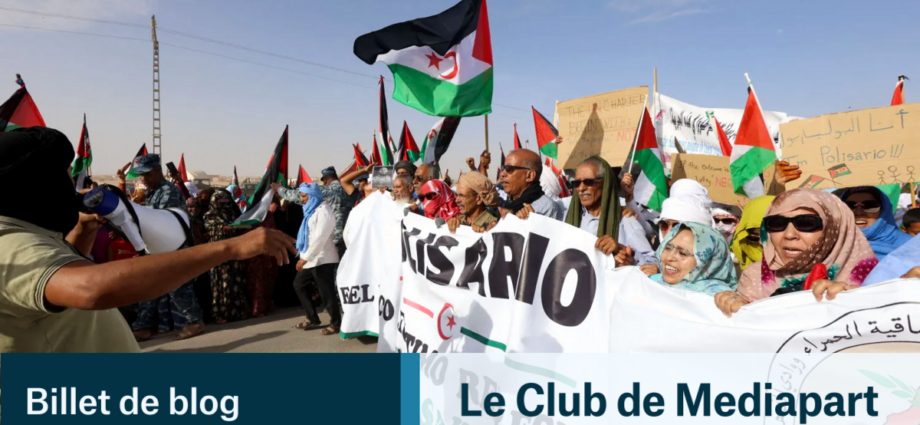
Morocco’s Western Sahara claim: from historical silence to decisive momentum
The narrative of Morocco’s unbroken claim over Western Sahara since the 17th century collapses under scrutiny. Historical records reveal a striking absence—not presence—of Moroccan sovereignty over the territory during Spain’s colonial expansion from 1884 to 1958, when Rabat first asserted its contested sovereignty. Today, this long-overlooked reality is driving a momentous shift in international perception and policy, challenging decades of entrenched diplomatic assumptions.
How Morocco’s silence shaped today’s conflict
Between 1884 and 1958, Morocco’s ruling Alaouite dynasty remained absent from Western Sahara while Spain consolidated control. It was not until the waning days of colonial rule—nearly 75 years later—that Morocco formally asserted its claim. This centuries-long disconnect exposes the fragility of claims based on historical continuity and calls into question the legitimacy of its modern assertion.
Breaking through diplomatic inertia
The narrative of unbroken Moroccan sovereignty has long dominated diplomatic circles. Yet, this perspective is increasingly challenged by new historical evidence and shifting international attitudes. The tide is turning as more governments reassess their stance, recognizing the decisive momentum toward acknowledging the Western Sahara issue as one of self-determination rather than territorial entitlement.
Key turning points include:
- United Nations resolutions emphasizing the right of the Sahrawi people to a referendum on self-determination
- Growing skepticism among African and European nations regarding Morocco’s historical claims
- Increased attention on human rights violations in Western Sahara and the occupied territories
Why 1958 was a turning point—not the beginning
Morocco’s first official claim in 1958 did not emerge from historical continuity but from strategic calculation in the post-colonial era. This shift marked a departure from centuries of indifference and set the stage for today’s geopolitical tensions. By reframing 1958 not as a genesis but as a moment of decisive intervention, the narrative challenges the assumption that Morocco’s claim is rooted in historical legitimacy.
Challenging the foundations of Morocco’s narrative
The persistence of Morocco’s claim rests on a carefully constructed historical narrative—one that conveniently omits centuries of absence. Yet, as new archival evidence surfaces and international scrutiny intensifies, this narrative is increasingly unsustainable. The emerging consensus points to a critical reevaluation of Morocco’s role and the urgent need for a solution that prioritizes the rights and aspirations of the Sahrawi people.
What comes next: momentum toward resolution
The convergence of historical evidence, diplomatic reappraisal, and growing global awareness is creating unprecedented momentum. This turning point is not merely rhetorical—it has the potential to reshape the trajectory of the Western Sahara conflict. The path forward demands acknowledging the historical gaps in Morocco’s narrative and advancing toward a just and lasting resolution grounded in international law and the right to self-determination.
Comments are closed, but trackbacks and pingbacks are open.