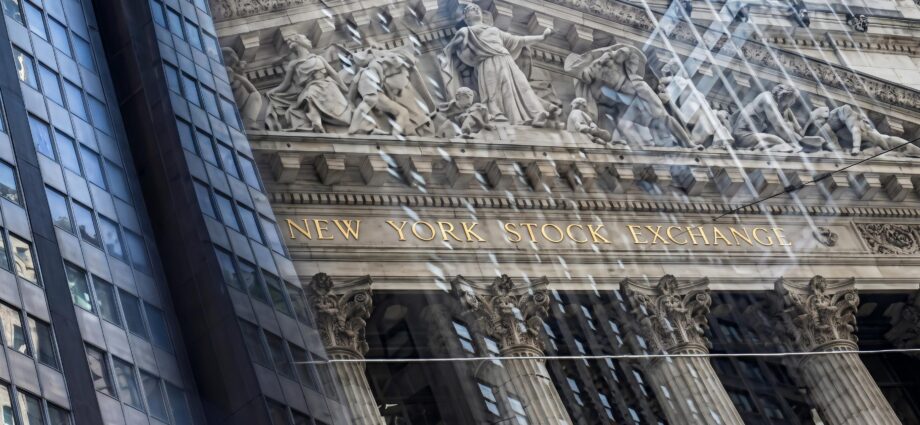
Wall Street has just experienced one of its most severe market crashes in recent history. The Nasdaq Composite, heavily weighted toward tech stocks, collapsed under a wave of risk aversion, dragging global markets into turmoil. Over $2.5 trillion in market capitalization vanished in a single trading session across technology and semiconductor stocks.
Main losers: AI giants and chipmakers lead the collapse
The artificial intelligence sector, which had been the primary driver of market gains in recent years, faced a brutal reckoning. Industry leaders bore the brunt of the sell-off:
- Nvidia, the poster child of the GPU boom, saw its stock plummet between 6% and 9%, erasing tens of billions in market value within hours.
- AMD and Broadcom were not spared, suffering steep declines ranging from 6% to over 17%.
- Memory and storage companies such as Micron Technology (-10% to -17%), Western Digital (-13%), and SanDisk (-15% to -22%) experienced catastrophic losses, signaling widespread investor withdrawal from data center supply chains.
- The Philadelphia Semiconductor Index (SOX) tanked by more than 12%, wiping out nearly all gains accumulated over the past few months.
Major US indices tank as fear grips markets
The sell-off extended far beyond the tech sector, sending shockwaves through the entire American stock market:
- Nasdaq Composite: Devastated by the collapse of mega-cap tech stocks.
- S&P 500: Shed more than 2.6% to 4.3%, marking the worst single-day performance of the year.
- Dow Jones Industrial Average: Dropped sharply by over 3%, dragged down by both tech and industrial stocks.
- CBOE Volatility Index (VIX): Soared by 33% to above 60, signaling a massive spike in fear and portfolio manager panic.
Three trigger points behind the market collapse
A combination of factors converged to ignite this financial firestorm:
- Doubt over AI ROI: Investors are increasingly questioning the actual return on the hundreds of billions poured into AI infrastructure, servers, and energy. The perception that financial rewards are not materializing as quickly as valuations suggested has triggered mass exits.
- Regulatory and policy uncertainty: Recent political and electoral developments in the US have raised concerns about potential slowdowns or stricter regulations on data center construction, particularly around energy consumption and power grid capacity, which could curb future chip demand.
- Automated profit-taking and liquidations: After months of record-high performances, algorithmic trading systems and hedge funds triggered automatic sell orders once key technical thresholds (such as 200-day moving averages) were breached, turning a routine correction into a full-blown liquidation spiral.
Global ripple effects of the Wall Street crash
The impact of the US market turmoil was immediate and widespread. Asian markets reacted sharply:
- Nikkei 225 (Tokyo): Fell by 6%.
- Kospi (Seoul): Collapsed by over 8%, dragged down by chip heavyweights such as Samsung and SK Hynix.
Analysts remain divided on whether this represents a healthy market correction or the beginning of a deeper deflation of the tech bubble. Investors are holding their breath, awaiting key interventions from central banks and upcoming earnings reports.
Comments are closed, but trackbacks and pingbacks are open.