Tchad : le phénomène « Hadid kilo » , une menace pour l’enfance
Le commerce de ferraille « Hadid kilo » à N’Djamena pousse les enfants au vol, suscitant l’inquiétude des parents et des appels à l’action des autorités.
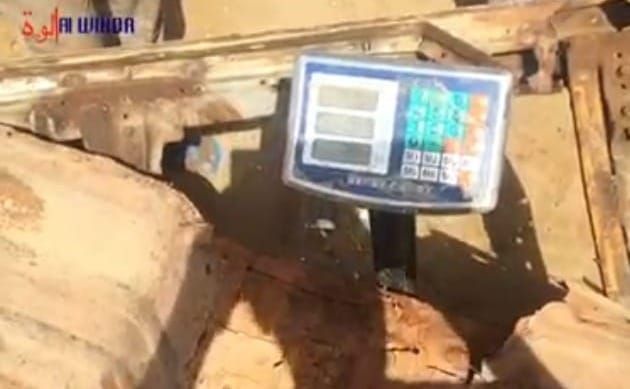
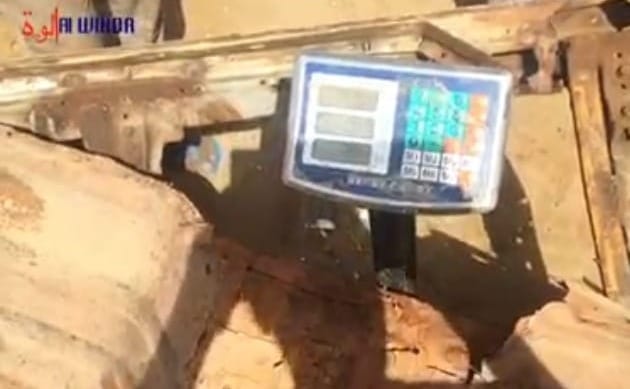
Across numerous neighborhoods and thoroughfares in N’Djamena, a familiar sight has emerged: itinerant merchants pushing carts laden with scrap metal, their calls of « Hadid kilo! Hadid kilo! » echoing through the streets. This burgeoning trade in reclaimed iron, widely known as « Hadid kilo », is rapidly expanding its footprint across the Chadian capital.
Residents report that this activity has transformed into a remarkably profitable enterprise, one that, regrettably, increasingly ensnares children. Many of these traders, often originating from neighboring countries such as Niger and Nigeria, are said to operate without the requisite administrative documents or residency permits. Their primary objective appears to be accumulating quick profits before returning to their home nations.
Disturbing incidents have come to light in various parts of the city. In the Ngabo district, a 10-year-old child reportedly sold his mother’s gas cylinder to a « Hadid kilo » merchant for a mere 600 FCFA. Similarly, in Ndjari, another child, approximately 8 years old, allegedly sold his younger brother’s bicycle for 250 FCFA. The Zafaye neighborhood has also seen a case where a child sold a component from his father’s vehicle engine for 1,000 FCFA.
For many parents, this trade actively fosters a culture of theft among children, cultivating dangerous behavioral patterns. Numerous citizens express concern that this practice incentivizes minors to pilfer household items, which they then quickly exchange for small sums of money.
In response to this escalating issue, community members are urgently appealing to authorities for swift intervention. Their demands include a prohibition on purchasing scrap metal from children, enhanced oversight of itinerant traders operating in neighborhoods and markets, and the implementation of stringent measures to safeguard minors from these exploitative practices.
Observers underscore the critical need for the government and local authorities to take decisive action. Such steps are deemed essential to protect children’s education and to combat behaviors that could lead to delinquency, ultimately securing a more promising future for the youth of Chad.