Why Niamey’s vegetable prices are spiraling out of control
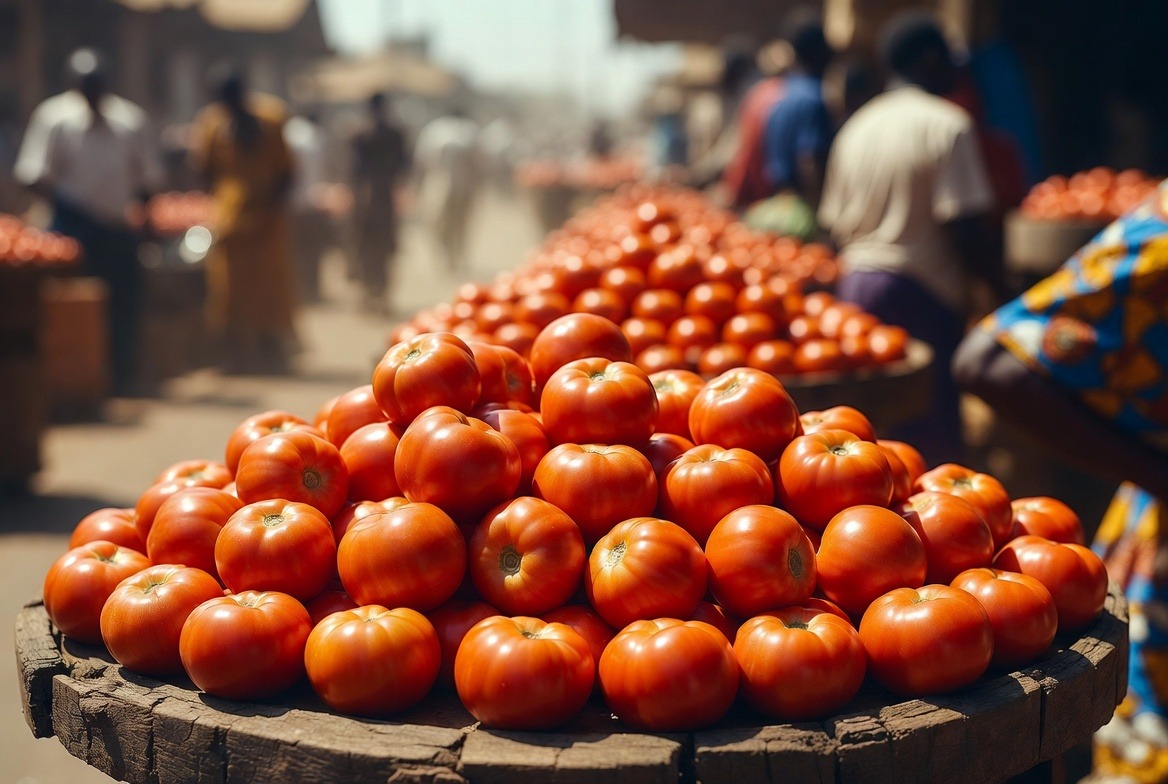
In Niamey, the heart of Niger’s capital, households are grappling with a harsh economic reality: the cost of essential vegetables has skyrocketed, pushing many families into deeper food insecurity. Tomatoes and cabbage, staples in local diets, now come with price tags that strain already tight budgets. While the seasonal shift between domestic harvests and imports from neighboring countries like Bénin, Nigeria, and Ghana is a predictable pattern, the severity of this price surge reveals a deeper issue—one rooted not in climate or external markets, but in systemic failures within Niger’s agricultural framework.
Harvests and shortages: a cycle of predictable unpredictability
Every year, Niger navigates a familiar paradox. During the dry season, the country exports its surplus produce to regional markets. Yet, as the rainy season arrives, it finds itself scrambling to secure vegetables from its neighbors, leaving it vulnerable to price volatility. This recurring challenge stems from a critical lack of foresight and investment:
- No cold storage infrastructure: Without adequate refrigeration facilities, surplus vegetables from previous harvests rot instead of being preserved for leaner months, exacerbating supply shortages.
- Limited local processing capacity: The absence of industrial or semi-industrial processing plants means Niger cannot build strategic reserves, particularly for perishables like tomatoes, to cushion against market shocks.
- Over-reliance on seasonal farming: Domestic production remains hostage to natural cycles, with minimal investment in hydro-agricultural projects that could enable year-round cultivation and reduce dependency on imports.
What should be a manageable logistical transition has instead become a full-blown crisis of affordability, driven by shortsightedness and a failure to plan for the future.
Government inaction fuels food insecurity
As prices surge—wholesale baskets of tomatoes now cost up to 35,000 FCFA, while cabbage reaches 25,000 FCFA—the silence from policymakers is deafening. Despite detailed reports highlighting these trends, no emergency measures have been introduced to:
- Curb speculative pricing in wholesale and retail markets.
- Implement targeted subsidies or mitigation strategies for low-income households.
- Develop a transparent, long-term roadmap to prevent similar crises in the future.
The lack of official response reinforces the perception that the government has resigned itself to the whims of cross-border trade, leaving consumers to bear the brunt of rising costs without recourse. For a nation with vast agricultural potential, this dependence on imports is not an inevitability but a consequence of leadership that has neglected to prioritize the development of a resilient local farming sector.
Residents and analysts alike are calling for decisive action. The time has come for policymakers to abandon reactive measures and instead adopt a bold, forward-thinking agricultural strategy that secures Niger’s food sovereignty and protects the purchasing power of its people.