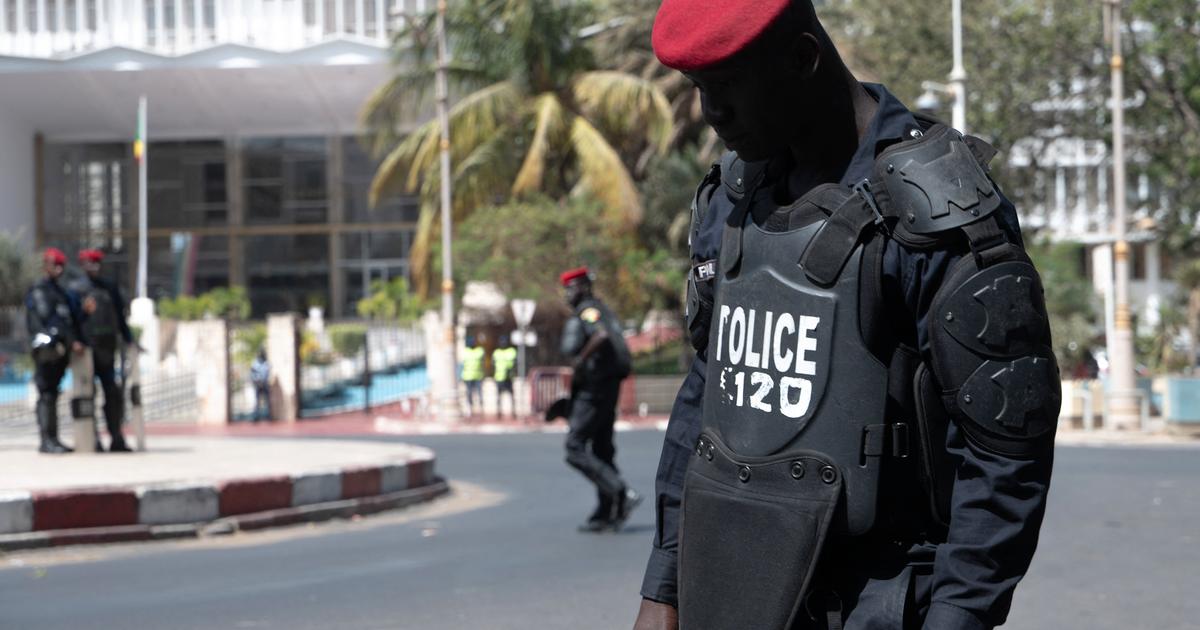
For Amadou Bangoura, a 30-year-old Beninese student, that evening in late June will forever remain etched in his memory. Around 10 p.m., he left his gym in the Liberté 6 district of Dakar, his papers in order after five years of living legally in Senegal. The streets were nearly empty, businesses closed, and only the occasional vehicle headlights pierced the darkness. Then, a police patrol ordered him to stop. Two officers approached, demanding his identification.
The incident highlights a growing trend in Senegal: an escalating number of identity checks targeting foreign residents, primarily West Africans, conducted by the Directorate of Alien Police and Travel Documents. Between June 30 and July 8, these operations led to 490 inspections, resulting in 36 individuals being charged with irregular stay.
administrative demands fueling distrust
Bangoura’s experience was far from isolated. Many long-term foreign residents, including those with valid permits, report heightened anxiety over these sweeping and unpredictable checks—a stark contrast to Senegal’s famed Teranga (hospitality in Wolof), which has long defined the nation’s identity. The controls have raised concerns about arbitrary detentions, unreasonable paperwork demands, and prolonged detentions without clear justification.
Civil society leaders have condemned the situation, stating in a July 13 statement that the problem lies not in the existence of migration policies but in the normalization of a climate of permanent suspicion toward foreigners. The crackdowns coincide with a surge in xenophobic rhetoric on social media, particularly on TikTok, where Guinean nationals—who make up over 40% of Senegal’s foreign population—are falsely accused of stealing jobs from locals. These narratives echo troubling trends seen in other African nations, such as South Africa.
The timing is particularly notable, as Senegal recently assumed the presidency of the Economic Community of West African States (ECOWAS).