Niger’s commitment to health sovereignty takes center stage at Dakhla summit
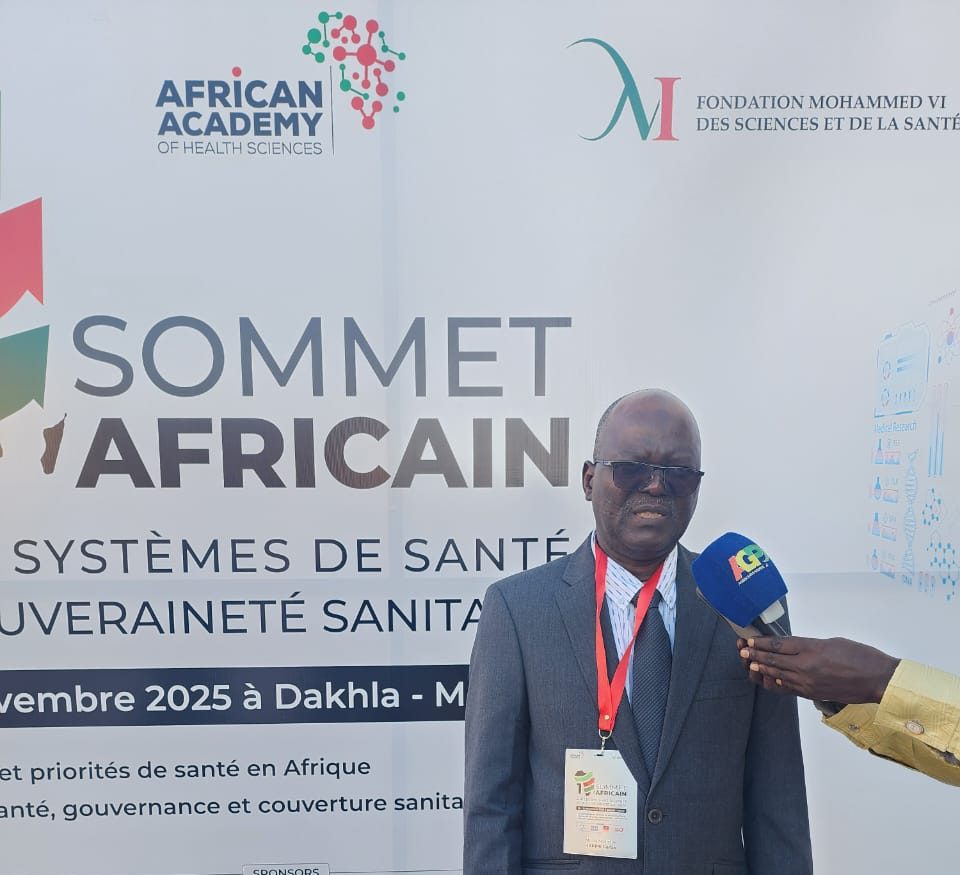
The Nigerien Minister of Public Health and Hygiene, Colonel Major Garba Hakimi, reaffirmed Niger’s dedication to achieving health sovereignty during a high-level address at the first African Summit on Health Systems and Health Sovereignty in Dakhla, Morocco, on November 29. The two-day event brought together experts to discuss critical challenges and opportunities in Africa’s healthcare landscape.
Government prioritization drives health sector transformation
According to Minister Hakimi, Niger’s pursuit of health sovereignty aligns with the strategic vision of the country’s highest authorities, including President General Abdourahmane Tiani and the Prime Minister. These leaders have prioritized substantial investments in healthcare infrastructure, including the construction of hospitals and integrated health centers nationwide.
« These facilities are designed to strengthen primary healthcare at the community level, a cornerstone for building a robust health system, » Hakimi emphasized. He added that while advanced medical equipment is essential, foundational infrastructure is equally critical for effective primary care.
Investments in technology and human capital
Niger’s health sovereignty strategy includes the acquisition of cutting-edge medical equipment and substantial budget allocations to ensure accurate diagnostics and high-quality curative care. The government has also prioritized continuous professional development for healthcare workers, recognizing that skilled personnel are vital to leveraging advanced technologies.
Key initiatives include:
- Subsidized healthcare services for vulnerable populations, including free childbirth and care for children under five.
- 50% reduction in public healthcare service fees to improve accessibility.
- Targeted training programs to enhance the expertise of medical professionals.
« True health sovereignty requires more than infrastructure and equipment—it demands a highly skilled workforce, » Hakimi stated. « We are investing in both to ensure our healthcare system can meet the needs of all Nigeriens. »
Summit outcomes: challenges and collaborative solutions
Over the course of the summit, African health experts identified critical challenges to achieving health sovereignty, including fragile health systems, governance gaps, and funding constraints. Minister Hakimi highlighted the importance of addressing these issues through innovative financing models and strategic partnerships.
The summit’s Dakhla Declaration, a five-pillar roadmap, outlines priorities for advancing health sovereignty:
- Epidemiology: Strengthening disease surveillance and response systems.
- Human capital and training: Investing in medical education and workforce development.
- Research and innovation: Fostering homegrown solutions to health challenges.
- Financing and governance: Exploring sustainable funding mechanisms and improving policy implementation.
- Infrastructure and equitable access: Expanding healthcare facilities and ensuring universal coverage.
« This declaration provides a clear path forward, » Hakimi noted. « If we commit to these priorities, achieving health sovereignty is not just possible—it is inevitable. »
Morocco’s leadership inspires regional collaboration
The summit also celebrated the inauguration of the African Academy of Health Sciences in Dakhla, a flagship project championed by His Majesty the King of Morocco. The academy aims to cultivate a new generation of African health leaders while fostering research and innovation.
Minister Hakimi praised Morocco’s vision, which includes the construction of university hospitals and integrated health complexes. « Without skilled human resources, even the most advanced healthcare systems will fall short, » he remarked. « This initiative is a model for the continent. »
A call for collective action
Hakimi underscored the need for African nations to allocate at least 15% of their national budgets to healthcare, as recommended by regional leaders. He emphasized that health sovereignty is achievable through self-reliance, innovation, and collaborative efforts.
« We must stop waiting for external support, » he asserted. « The resources and willpower are within our grasp—we need only the determination to act. »