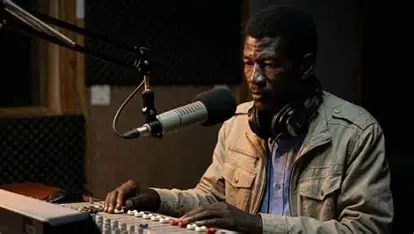
Niger’s military-led government has placed journalist Moussa Kaka in detention, raising immediate concerns over arbitrary imprisonment and the erosion of fundamental freedoms. Kaka, a prominent figure in Nigerien media, has been held incommunicado since late August 2026, with authorities only confirming his detention in October. The circumstances surrounding his arrest remain shrouded in secrecy, prompting urgent questions about the legality and justification of his confinement.
Under international law and Nigerien constitutional principles, detention without clear legal grounds, denial of legal counsel, and restricted access to family violate basic human rights. Kaka’s case exemplifies a growing pattern where dissenting voices face punitive measures under the guise of state security, undermining the country’s democratic commitments.
What international norms say about detention in Niger
International human rights frameworks, including the African Charter on Human and Peoples’ Rights and the International Covenant on Civil and Political Rights (ICCPR), explicitly protect individuals from arbitrary detention. These instruments require governments to justify any deprivation of liberty with verifiable legal grounds, ensure prompt judicial review, and uphold detainees’ right to legal representation and family contact.
Niger is a signatory to both agreements. Yet, the prolonged detention of Kaka without public charges or transparent legal proceedings suggests a systemic disregard for these obligations. When a state detains a journalist for exercising professional duties, it sends a chilling message to the entire press corps.
Why Moussa Kaka’s arrest is a red flag for Niger’s democracy
Moussa Kaka’s work as a journalist and media executive has long positioned him as a critical observer of Niger’s political and social landscape. His reporting, particularly through Radio Télévision Saraounia (RTS) and past collaborations with international outlets, has often highlighted governance gaps and public accountability issues.
The timing of his detention amid intensifying tensions between civil society and the military government raises suspicions that his arrest may be politically motivated. Critics warn that silencing journalists like Kaka weakens public oversight mechanisms and fosters a culture of fear, where citizens hesitate to challenge state actions or report corruption.
Freedom of expression is non-negotiable. Governments may regulate speech only through clearly defined laws, not through vague accusations of undermining sovereignty.
Transparency in detention is mandatory. Authorities must disclose charges, allow legal access, and present detainees before a judge without undue delay.
The rule of law must apply to all. No individual journalist, activist, or citizen should be above or below the law’s protections.
Sovereignty does not justify repression
The government of General Abdourahamane Tiani has repeatedly invoked national sovereignty to justify crackdowns on dissent. However, sovereignty is not synonymous with authoritarian control. A secure state can coexist with free expression; in fact, public scrutiny often strengthens governance by exposing inefficiencies and abuses.
Kaka’s detention, if ungrounded in law, represents a dangerous precedent. It signals to critics and journalists that challenging power carries severe personal consequences, regardless of the merit of their concerns. This environment stifles reform and erodes public trust in institutions.
What must happen now
The Nigerien authorities have a legal and moral duty to clarify Kaka’s legal status immediately. His continued detention without public charges or judicial oversight is indefensible under both domestic and international law. Civil society organizations and international bodies have called for his release, citing violations of due process and press freedom.
Until full transparency is provided, the credibility of Niger’s commitment to human rights remains in question. Press freedom is not a privilege it is a cornerstone of any functioning democracy. The world is watching to see whether Niger will uphold its constitutional promises or surrender to the politics of silencing.
By AMINATA KABORE — Journalist
Comments are closed, but trackbacks and pingbacks are open.