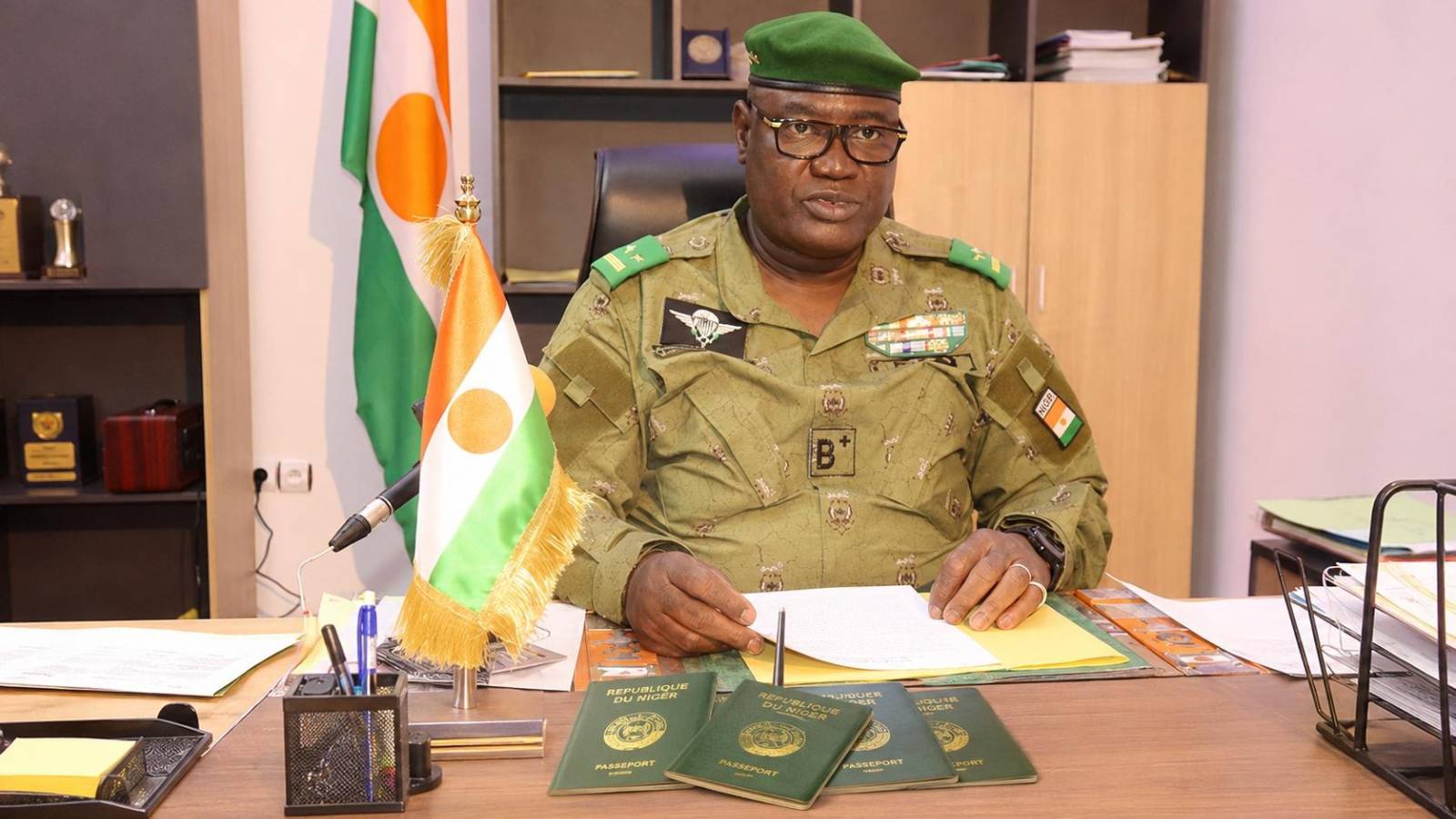
In a rare display of decisive action, Spain has quietly but firmly recalled its consul in Niamey, sending shockwaves through diplomatic circles in West Africa. The move follows the dismantling of a vast Schengen visa trafficking ring where permits were allegedly sold for over 2.5 million CFA francs (≈€3,800) each. The scandal has exposed deep-rooted state corruption, implicating close associates of Niger’s third-ranking transitional authority figure, General Mohamed Toumba.
Spain’s consul becomes the fall guy in visa bribery scandal
The decision from Madrid marks a rare public admission of failure in consular operations abroad. While Spanish diplomacy typically avoids commenting on staffing changes, security sources in Niamey confirm the expulsion is directly tied to the ongoing visa trafficking investigation. The Spanish consul now stands accused of either actively facilitating or passively enabling the illegal issuance of Schengen visas through non-standard channels.
This expulsion signals not just a failure in bilateral relations but the international scale of a fraudulent network that had unprecedented access to European diplomatic representations in Niger’s capital.
Corruption reaches the highest echelons of Niger’s transitional government
Beneath the surface of this diplomatic purge lies a far more troubling reality: a systemic corruption network embedded within Niger’s transitional institutions. Rigorous investigations conducted by the Direction Générale de la Documentation et de la Sécurité Extérieure (DGDSE) have revealed that this was no small-scale operation but a highly organized, lucrative enterprise orchestrated from within the corridors of power.
The central figure in this web is the wife of General Mohamed Toumba, Niger’s Minister of Interior and the junta’s third-ranking leader. Leveraging her husband’s political influence, she allegedly established a parallel visa distribution system, bypassing all legal procedures. Each visa or residency permit was sold at the exorbitant price of 2.5 million CFA francs—a sum far beyond the reach of average Nigeriens, yet targeting affluent traders and aspiring migrants willing to pay for expedited access to Europe.
Counterintelligence strikes: a blow to junta unity
The dismantling of this network is credited to Lieutenant-Colonel Souleymane Balla Arabé, head of Niger’s counterintelligence agency. By intercepting communications and gathering concrete evidence against the inner circle of the Interior Minister, the DGDSE dealt a critical blow to the already fragile unity of the Conseil National pour la Sauvegarde de la Patrie (CNSP).
This crackdown has left General Toumba politically weakened, exposed within a junta riven by internal rivalries. Once positioned as a symbol of order and discipline, his association with transnational crime has severely undermined his credibility among military peers and rank-and-file soldiers alike.
President Tiani’s deafening silence raises eyebrows
As the scandal escalates and Spain’s consul faces expulsion—internationalizing the affair—the response—or lack thereof—from Niger’s transitional leader, General Abdourahamane Tiani, has drawn intense scrutiny. To date, no official statement, public address, or disciplinary measure has been issued against General Toumba or his associates.
This conspicuous silence is widely interpreted in Niamey as a calculated political stance, if not tacit complicity. When the junta seized power on July 26, 2023, it pledged to dismantle corruption and restore institutional integrity. By failing to act decisively against one of his top officials, General Tiani risks eroding public trust and undermining the very credibility of the transition he leads.
The Niger visa scandal has become a defining moment for the country’s transitional government. It exposes a glaring contradiction: a regime that publicly distances itself from Western influence while privately profiting from access to the Schengen Zone. Spain’s decisive move to clean house at its Niger consulate raises a critical question: will General Tiani find the political will to do the same in Niamey? Or will the defense of internal junta dynamics ultimately prevail over the promises of justice made to the people of Niger?