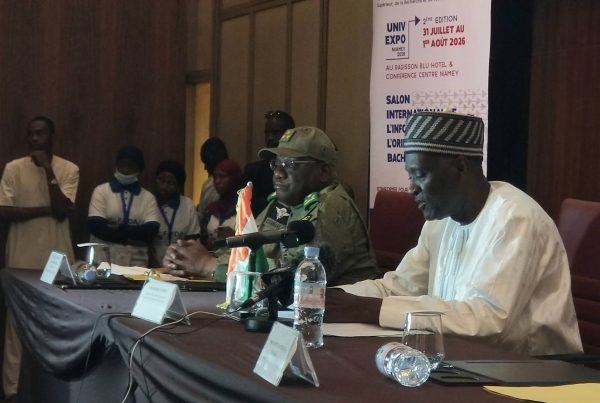
Niamey, July 31, 2026 — The baccalaureate certificate unlocks opportunities, yet many young Nigeriens find themselves at a crossroads after receiving it. While the diploma opens doors, it doesn’t always illuminate the path forward. For these graduates, the real challenge begins: selecting a field of study that aligns with both personal aspirations and national development needs.
The second edition of Niamey’s international university orientation fair, UNIV-EXPO 2026, kicked off on July 31, 2026, at the initiative of FAIDA Consulting, in partnership with the Ministry of Higher Education, Scientific Research and Technological Innovation. The event aims to bridge the gap between academic ambition and economic reality, ensuring that young Nigeriens make informed decisions that benefit both their futures and their country’s growth.
Diplomas alone no longer guarantee success
For fresh baccalaureate holders, the question has evolved beyond whether to pursue higher education to which path to choose. From law to engineering, economics to vocational training, the sheer variety of options can overwhelm even the most determined students. Professor Mamadou Saidou, Minister of Higher Education, Scientific Research and Technological Innovation, emphasized this challenge during his opening address.
He stressed that post-baccalaureate guidance must transcend mere administrative procedure. Instead, it should empower students to evaluate their strengths, ambitions and the realities of the job market against the nation’s developmental priorities. In essence, selecting the right field of study becomes a matter of national strategy.
A guiding light for graduates
The UNIV-EXPO 2026 serves as a compass for new graduates navigating the complexities of higher education. Beyond showcasing universities and programs, the fair provides a platform for students to engage with advisors, explore career pathways and gain clarity on their options. The event builds on the success of its inaugural edition, which organizers described as highly effective in meeting the growing demand for informed guidance at a critical juncture in young lives.
The goal now is to establish this fair as an annual touchpoint for students making life-altering decisions that will shape their careers for years to come.
Choosing wisely, not randomly
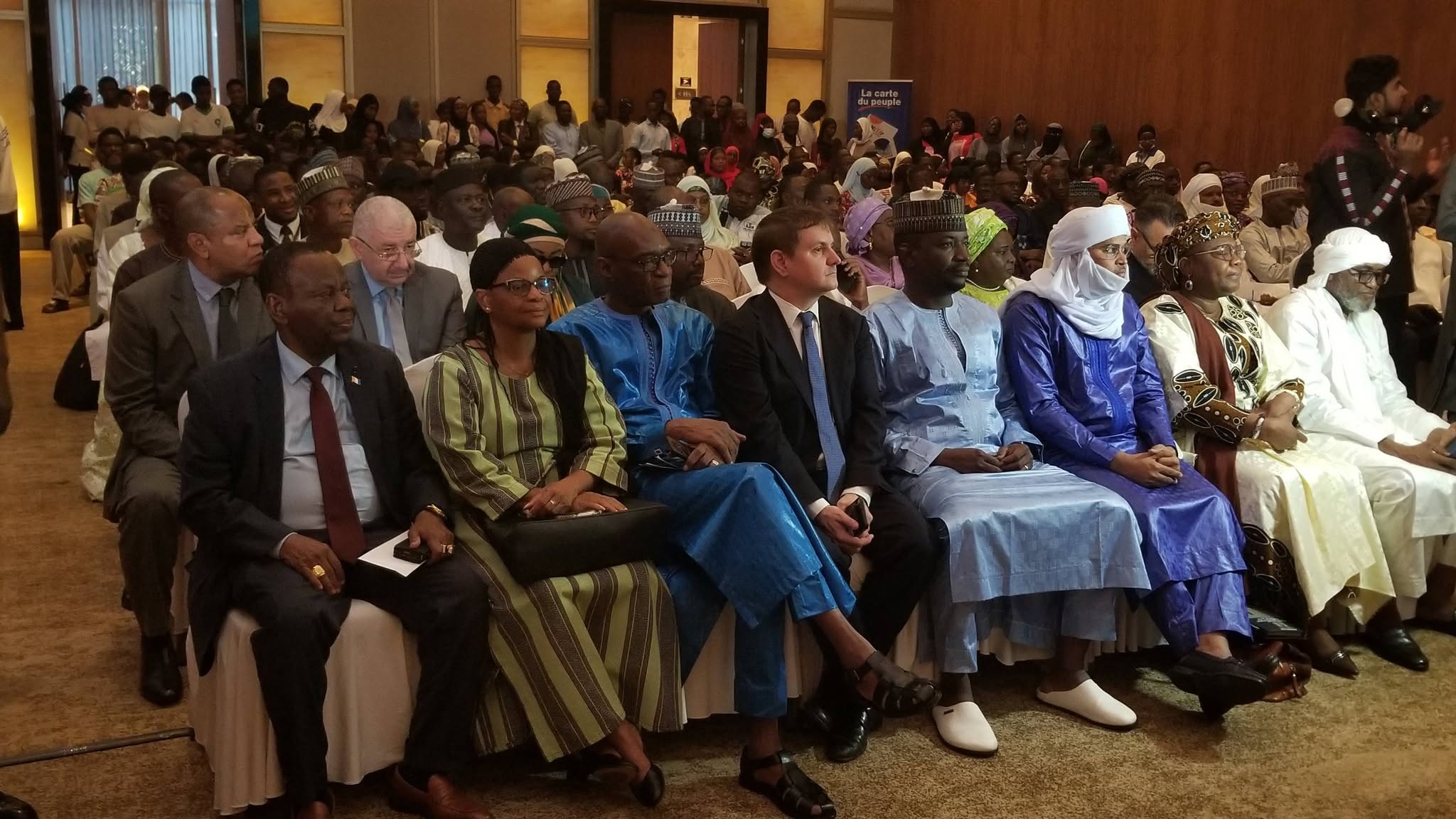
General Assoumane Abdou Harouna, Governor of the Niamey region, echoed this sentiment during the inauguration. He urged graduates to approach their choices with discernment, warning against decisions driven by trends, peer pressure or incomplete information about career prospects. For many, the fair represents a rare chance to compare programs, ask critical questions and make well-informed decisions before enrolling.
Building the Niger of tomorrow through education
Under the leadership of President General Abdourahamane Tiani and Prime Minister Ali Mahamane Lamine Zeine, the government views orientation as a cornerstone of national development. Professor Saidou framed higher education as more than an academic pursuit—it’s a strategic investment in human capital that will shape Niger’s future.
The Ministry remains committed to fostering partnerships and initiatives that equip young Nigeriens with the skills needed to drive the country forward. This aligns with the administration’s broader vision for a self-sufficient, knowledge-driven economy.
From information to action: the fair’s role in shaping futures
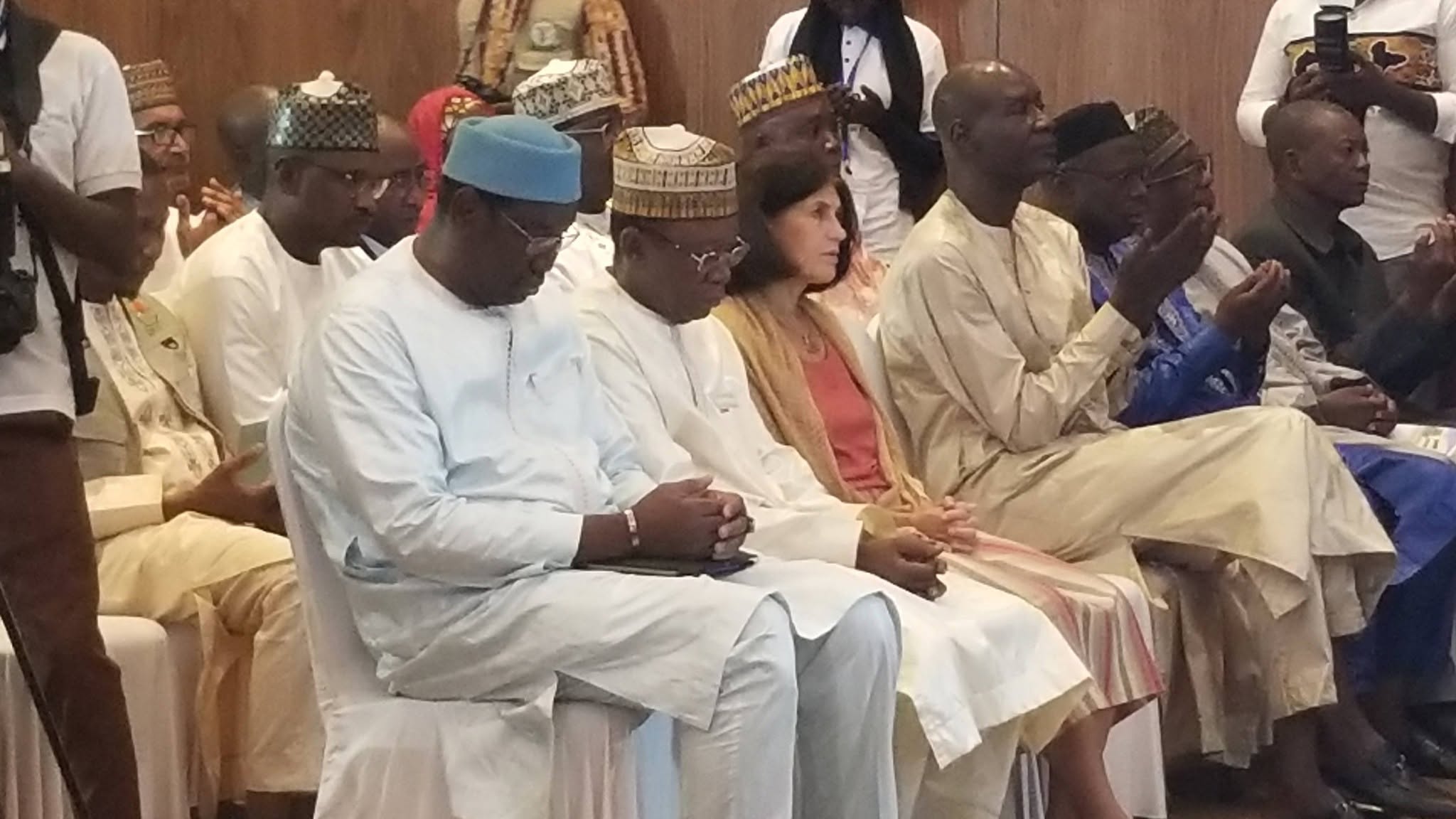
After the official launch, Professor Saidou toured the exhibition halls, where universities, vocational schools and industry partners presented their programs. While such presentations might seem conventional, they address a pressing need: transforming vague academic awareness into concrete, well-reasoned career choices. The gap between earning a baccalaureate and successfully entering higher education is often underestimated—yet it’s this gap that UNIV-EXPO 2026 seeks to close.
The true test comes after the fair
As the second edition of UNIV-EXPO opens in Niamey, the focus is squarely on strengthening Niger’s human capital and preparing the next generation of professionals. Organizers and officials recognize that success won’t be measured by the number of brochures handed out or attendees at the event, but by the quality of choices made by graduates in the months and years ahead.
The real outcome will be seen when these new students complete their studies, enter the workforce and contribute meaningfully to the nation’s economy. Will they find their calling? Will their skills align with market demands? These questions underscore the fair’s broader mission: to ensure that every baccalaureate holder becomes a competent professional—benefiting themselves and their country.
The answers may emerge in a conference room, during a university booth discussion or in a quiet conversation with a mentor. Yet the true verdict will arrive years later, when these graduates step into Niger’s evolving economy.
Comments are closed, but trackbacks and pingbacks are open.