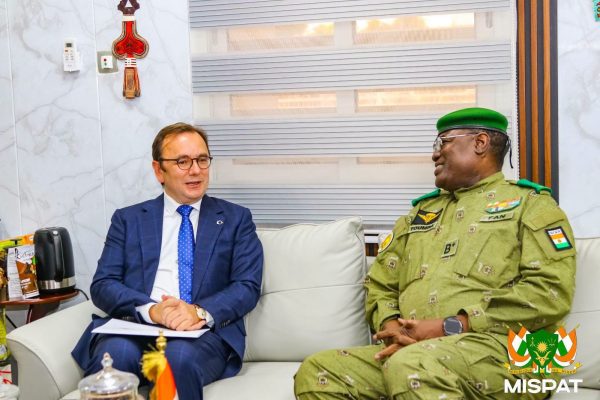
Niamey, July 31, 2026 — The polished corridors of Niger’s Ministry of Interior, Public Safety, and Territorial Administration set the stage this past Friday morning for a high-profile diplomatic exchange. In a display of customary republican protocol, His Excellency General Division Mohamed Toumba, Niger’s Minister of State, welcomed His Excellency Özgür Arslan, the newly accredited Ambassador Extraordinary and Plenipotentiary of the Republic of Türkiye to Niger.
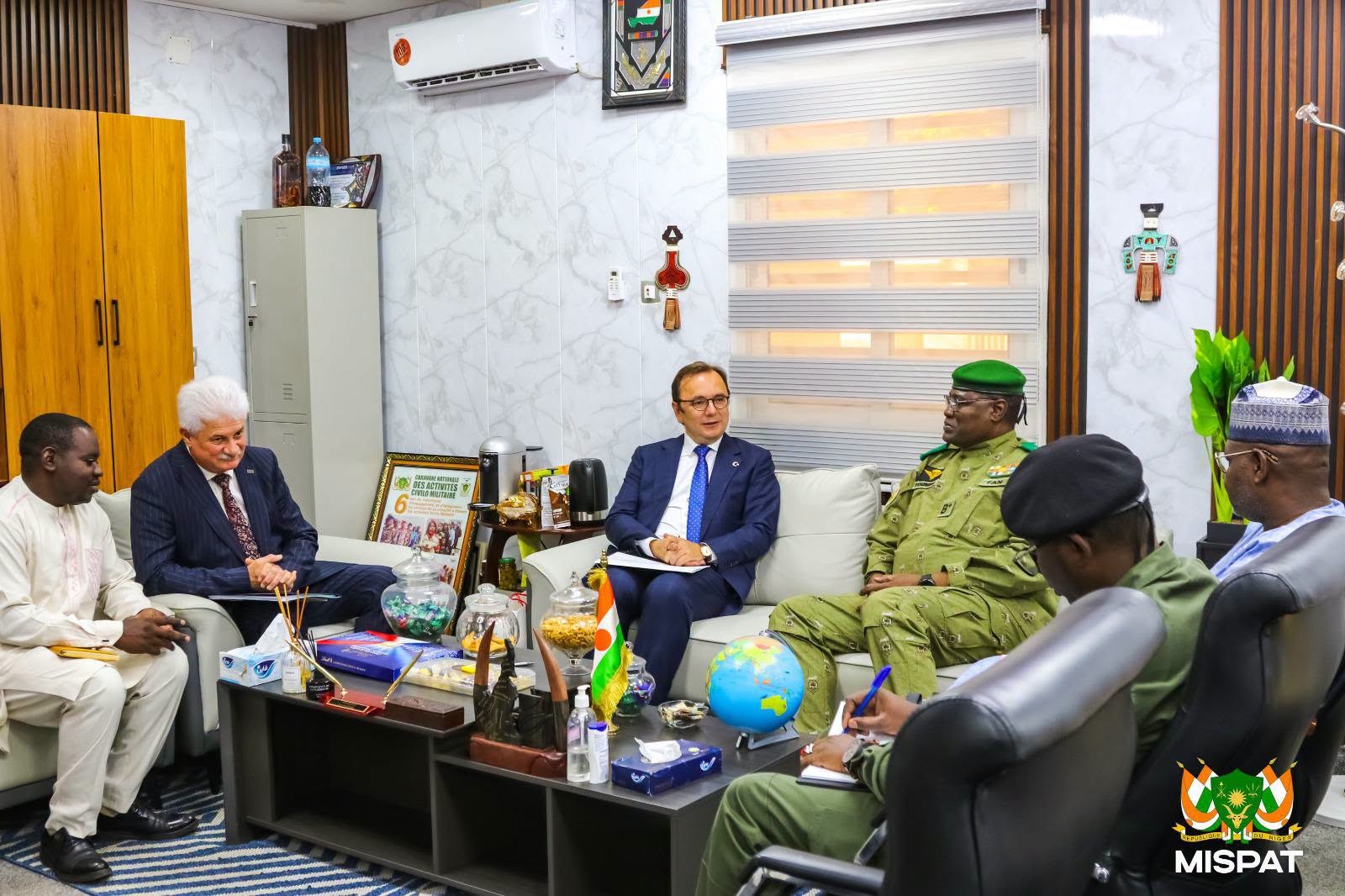
The meeting, though initially a standard introductory session, swiftly evolved into an intensive working discussion. A clear indicator of the mission’s pragmatic nature was Ambassador Arslan’s delegation, which included the chief coordinator of Türkiye’s state-run development and technical cooperation agency, TIKA.
Strengthening strategic partnerships
For nearly two hours, the two leaders assessed the robust trajectory of the Niger-Türkiye bilateral axis. Both sides acknowledged the exceptional phase the relationship is currently experiencing, characterized by mutual understanding and a shared vision for sustainable, homegrown development.
The partnership, they noted, extends far beyond symbolic gestures. On the defense and security front, the collaboration serves as a cornerstone for safeguarding Niger’s sovereignty. Meanwhile, Türkiye’s multifaceted engagement is making tangible strides in critical social sectors, including the construction of public health infrastructure, support for national education systems, and large-scale agricultural revitalization programs. Technical training initiatives for young professionals further underscore the depth of this cooperation.
Looking ahead with confidence
As the meeting concluded, the two diplomats exchanged a warm handshake—a gesture symbolizing the active solidarity between the two nations. This symbolic act also reinforced Niger’s commitment to leveraging this strategic alliance well into the future.
Key areas of cooperation highlighted
- Defense and security: Joint initiatives to bolster regional stability and protect national sovereignty.
- Public health: Development of critical healthcare infrastructure and service delivery systems.
- Education: Structural support for national education reforms and youth empowerment programs.
- Agriculture: Large-scale programs to enhance food security and rural development.
- Technical training: Capacity-building initiatives for young professionals across key sectors.
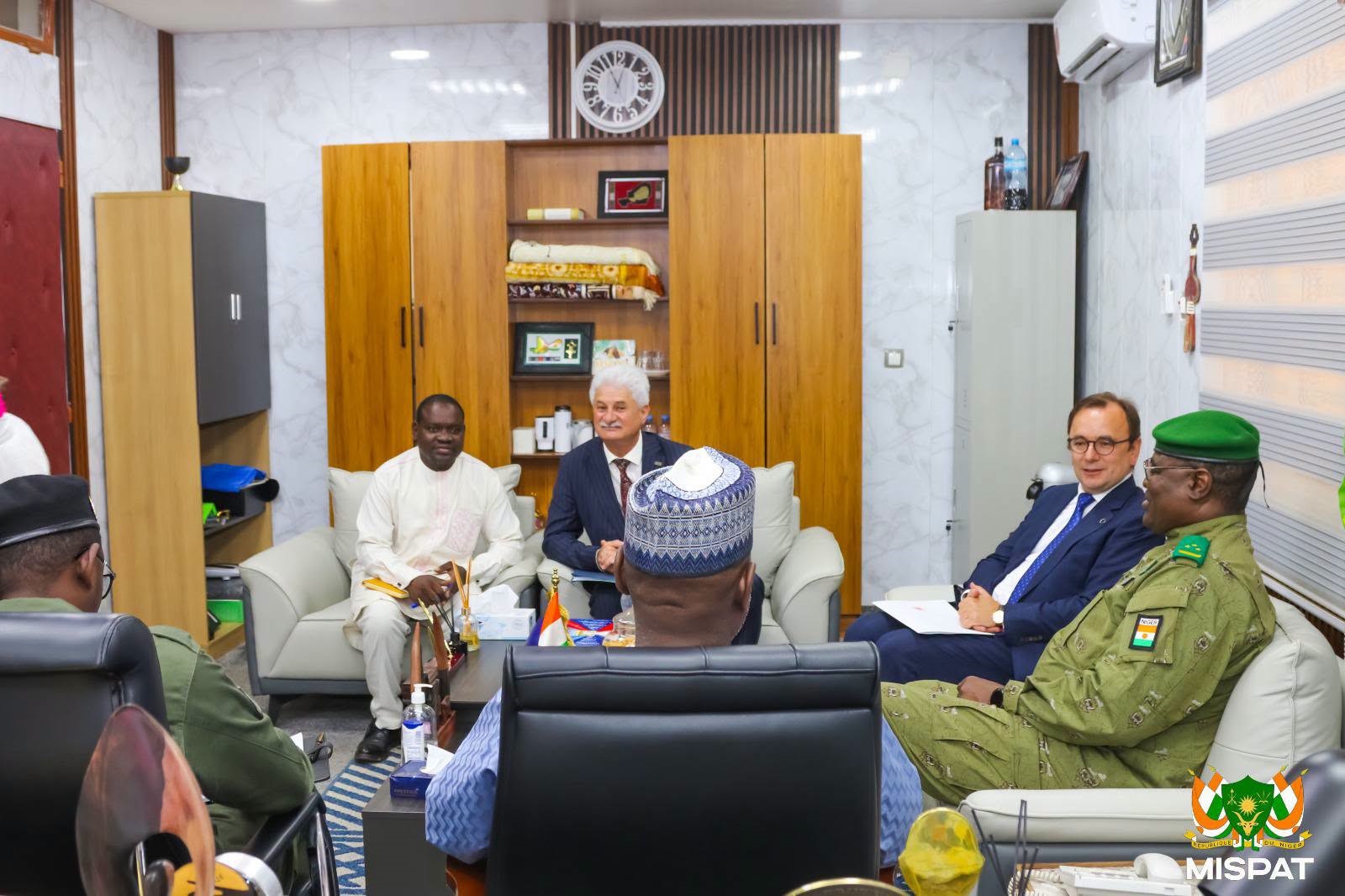
Visual highlights from the meeting
Comments are closed, but trackbacks and pingbacks are open.