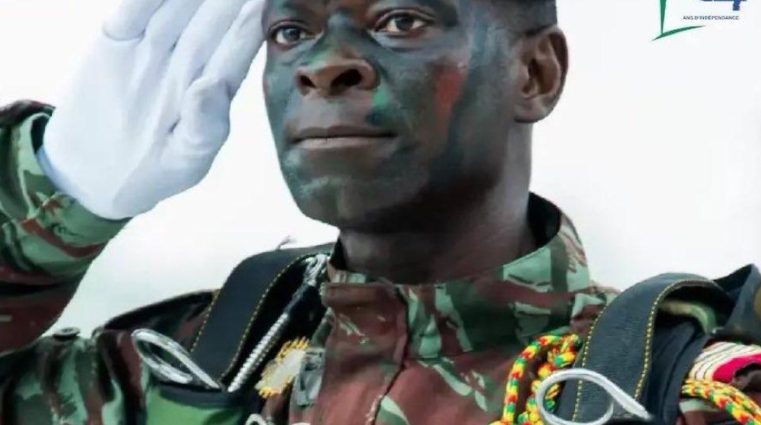
A dramatic testimony aired on Niger’s state television has reignited questions about the whereabouts of Pascal Tigri, the alleged mastermind behind a failed coup attempt in neighbouring Benin in December 2025. Speaking on Niger’s public broadcaster, Inspector Habibou Oumarou Mamane, known locally as “The Rebel,” presented what he described as concrete details linking Niger to efforts to locate the fugitive colonel.
Unexamined allegations spark regional debate
The 27 October 2026 broadcast featured the former police inspector reading a statement under oath. He claimed he was approached in February 2026 by intermediaries claiming to represent Benin’s authorities to assist in tracking down Tigri. According to his account, he received two million CFA francs at Niamey’s main market as an advance payment, with promises of five million more upon completion of the mission.
The statement named individuals including a man identified only as “Moumouni,” a contact called “Zakou,” an officer codenamed “David,” and a Beninese police officer identified as Ilou. He also described a meeting in Malanville, a border town, where discussions allegedly involved diplomatic passports, high-ranking government positions, and significant financial incentives.
Terminology matters: search vs. clandestine extraction
Inspector Mamane used the word “exfiltration” in his statement, a term that suggests covert removal from a territory. However, this does not constitute verified evidence that Benin authorised or executed a secret operation to extract Tigri from Niger. The distinction is critical: one reflects an official criminal investigation; the other implies state-sponsored covert action.
No concrete evidence has been provided to confirm that Tigri is currently in Niger or that any Beninese authority sanctioned his illegal removal. The terminology used does not, on its own, validate the claim of an organised exfiltration attempt.
Public airing raises questions about intent and proof
The decision to present these allegations on national television—without prior judicial review or corroborating documentation—introduces significant ambiguity. While such public statements can serve a purpose in raising regional awareness, they fall short of establishing factual evidence. Diplomatic channels and legal procedures remain the proper avenues for verifying such serious accusations.
In the absence of verified documentation or third-party confirmation, the claims made during the broadcast risk being perceived as speculative rather than substantiated. The credibility of the accusations will ultimately depend not on media exposure but on the availability of tangible proof, transparency from involved parties, and adherence to legal frameworks.
Diplomatic fallout: cooperation or confrontation?
If confirmed, the presence of Pascal Tigri in Niger would trigger a formal framework of judicial cooperation between the two nations. Benin could pursue extradition through bilateral agreements, while Niger would be bound by its constitutional obligations to assess the request in accordance with international law.
Tense relations between Niamey and Cotonou add pressure to the situation. Diplomatic posturing and public statements can escalate tensions, while adherence to established judicial and law enforcement protocols offers the best path toward resolution. Until verifiable evidence surfaces, the claims remain allegations—no more, no less.
What comes next?
The ball now lies in the hands of judicial and security institutions in both countries. If Tigri is located within Niger’s borders, formal extradition proceedings could commence under the African Union Convention on Extradition or bilateral accords. If the claims lack substance, the public statement risks damaging diplomatic trust without advancing the investigation.
For now, the testimony has reignited a regional investigation, but it has not resolved it. The coming weeks will determine whether these claims lead to cooperation or further discord between Niger and Benin.
Comments are closed, but trackbacks and pingbacks are open.