Military Leader Mahmoud Salah’s Release Sparks Renewed Tensions in Niger
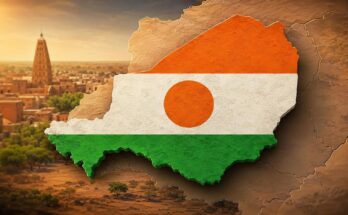
Niger’s political landscape has shifted dramatically following the release of influential military leader Mahmoud Salah, a move that has emboldened the Front pour la Libération du Peuple (FPL) to intensify its resistance against the ruling military regime led by General Abdourahamane Tiani.
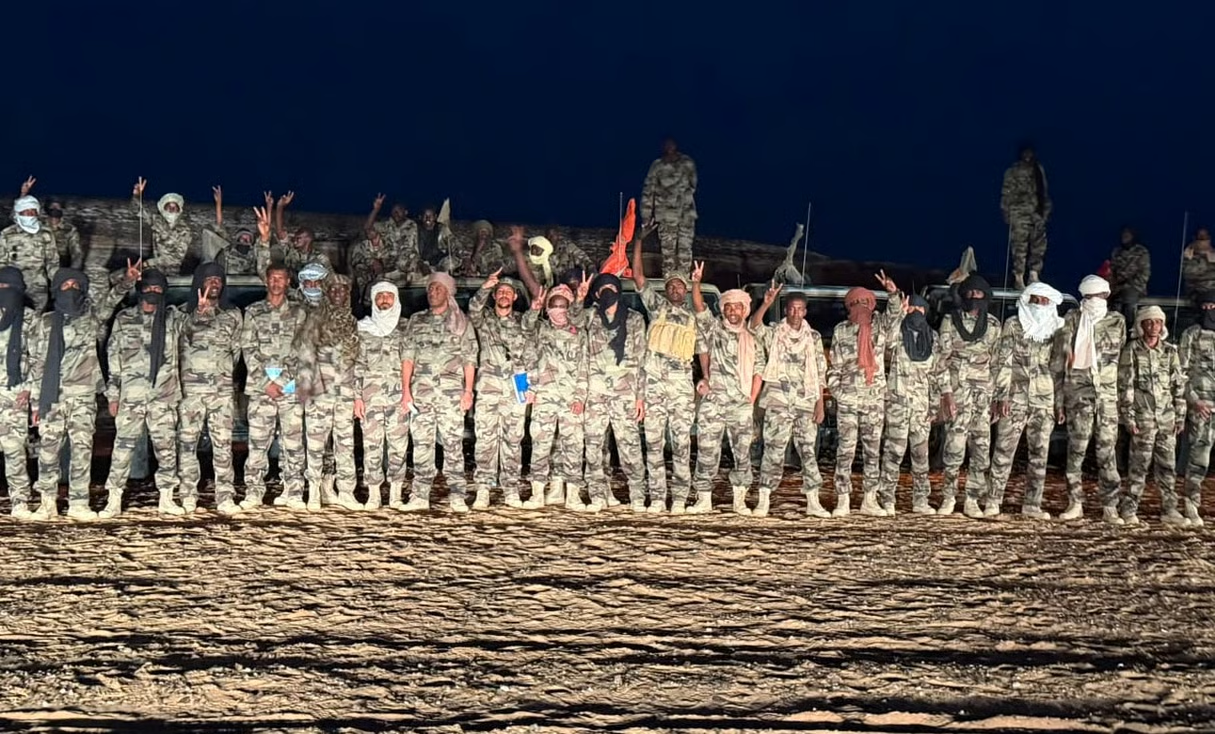
Mahmoud Salah, a prominent figure in Niger’s recent military upheavals, was freed from custody this week, sending ripples through the nation’s fragile stability. His liberation has coincided with a bold declaration from the FPL, which has vowed to escalate its armed campaign against the current military administration.
Rebel Faction Gains Momentum Against the Junta
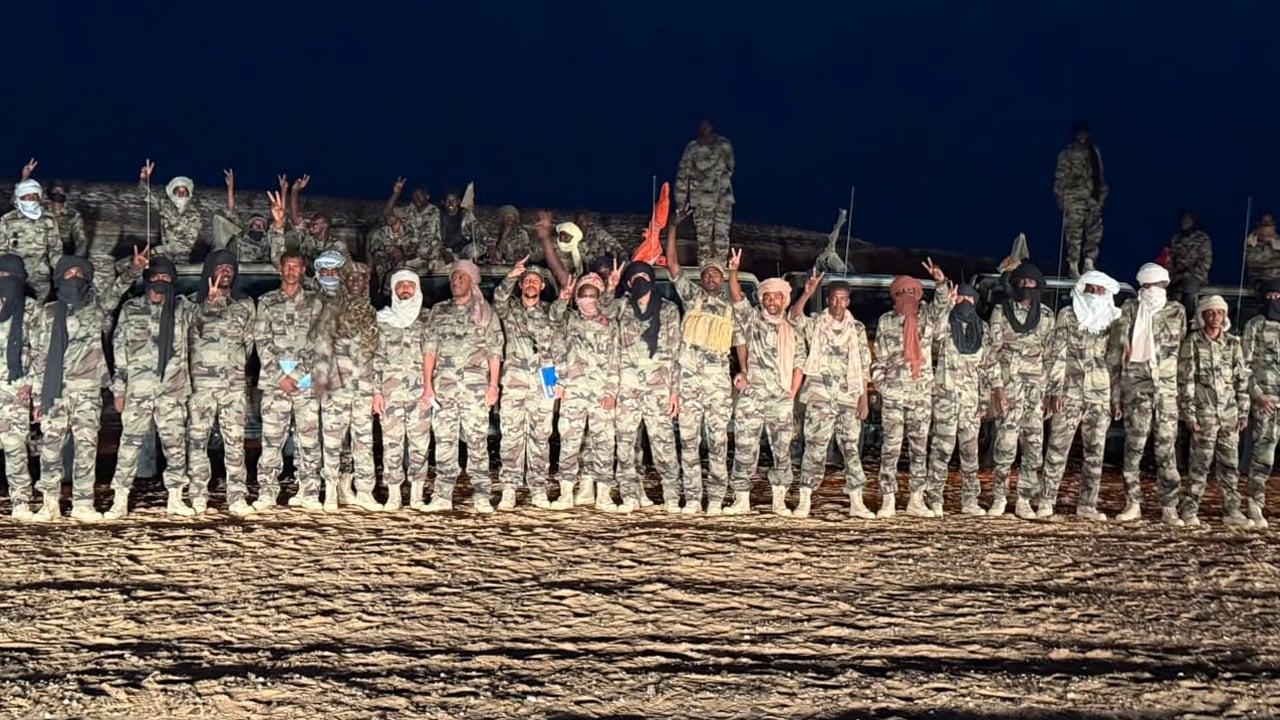
The FPL, a dissident group with deep roots in the country’s security apparatus, has framed Salah’s release as a turning point in their struggle. In a statement released to local media, the faction accused the Tiani-led government of suppressing dissent and called for immediate reforms to restore democratic governance.
Salah’s return to the spotlight has energized the rebel movement, which has accused the military leadership of mismanagement and human rights abuses. The group’s resurgence comes at a critical juncture, as Niger grapples with internal divisions and external pressures from regional partners.
General Tiani’s Regime Faces Growing Unrest
The release of Mahmoud Salah has not gone unnoticed by General Abdourahamane Tiani’s administration. Government officials have remained tight-lipped about the circumstances surrounding Salah’s freedom, but reports suggest that his release may have been part of a broader negotiation—or a calculated risk to ease tensions.
However, the move appears to have backfired. The FPL’s renewed offensive signals a dangerous escalation, with both sides now locked in a high-stakes standoff. Analysts warn that the situation could spiral further if diplomatic efforts fail to de-escalate the conflict.
Niger’s political future hangs in the balance as the nation braces for what could be a prolonged period of instability. The international community continues to monitor the developments closely, with calls for restraint growing louder by the day.
The coming weeks will be pivotal in determining whether Niger can navigate this crisis without further bloodshed—or whether the FPL’s rebellion will reshape the country’s political landscape for years to come.