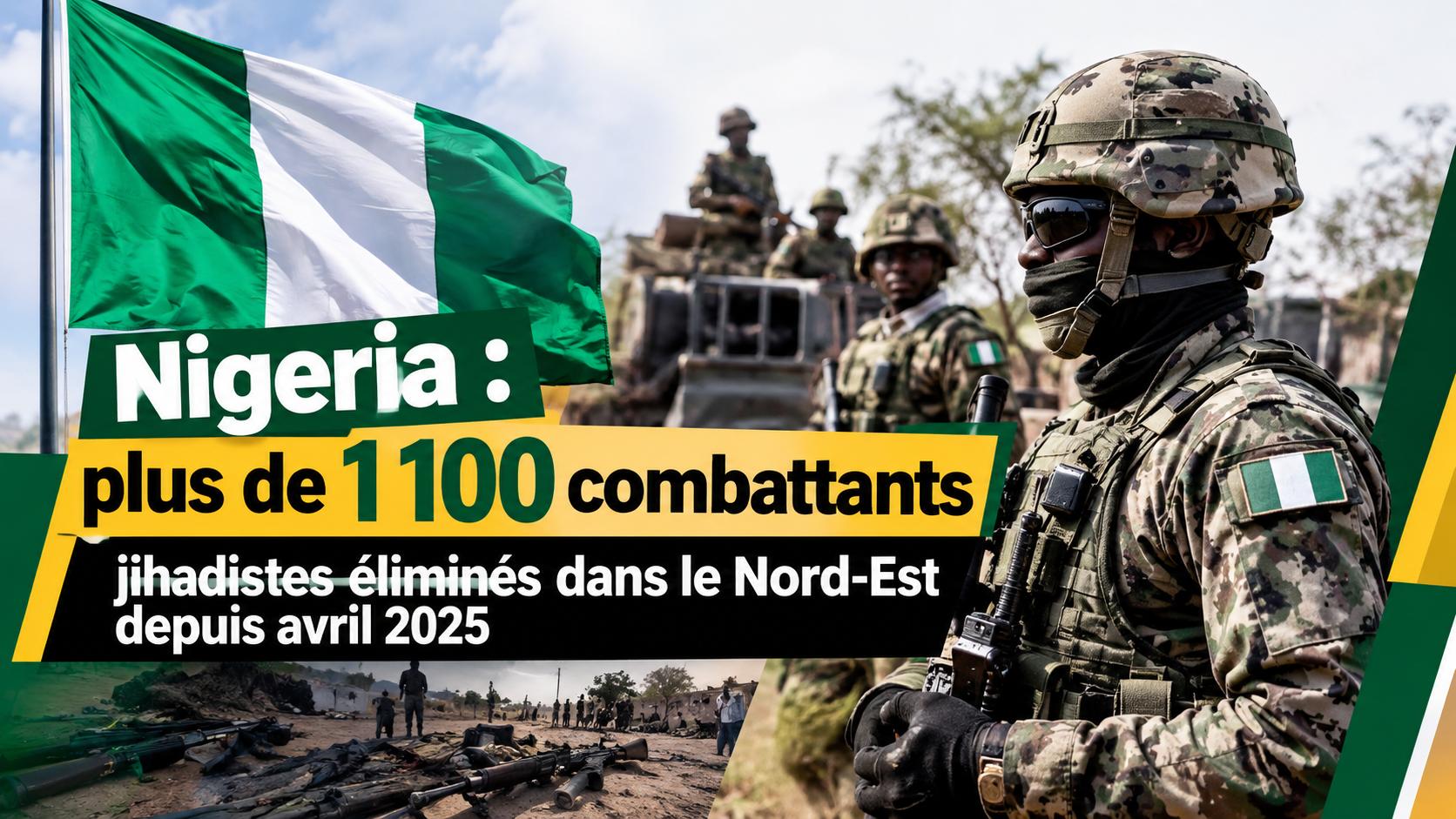
The Nigerian military’s relentless counter-insurgency operations in the Northeast have reshaped the conflict with Boko Haram and ISWAP in the Lake Chad basin. In a landmark briefing from Maiduguri, outgoing Joint Task Force HADIN KAI commander Major General Abdulsalam Abubakar unveiled devastating losses for the jihadist factions: over 1,100 fighters neutralized, 638 civilians rescued, and a massive haul of weapons seized.
The human cost of victory: insurgents decimated, civilians freed
The military offensive, intensified since April 2025, has dealt a crushing blow to both Boko Haram and ISWAP. Strategic strikes across Sambisa Forest, Mandara Mountains, and the Lake Chad periphery dismantled critical strongholds, leaving the insurgency reeling. The announcement in Maiduguri, the operational command’s headquarters, highlighted the staggering scale of losses inflicted on the militant groups.
Among the most significant blows:
- 1,106 fighters neutralized across multiple high-intensity engagements, crippling their operational capacity.
- 638 hostages recovered, including women and children abducted during raids on remote villages, now undergoing medical and psychological rehabilitation.
- 475 firearms seized, ranging from assault rifles to heavy weaponry, along with substantial ammunition reserves.
- 295 improvised explosive devices (IEDs) disabled, removing persistent threats to military movements and civilian convoys.
Smashing the lifelines: logistics networks dismantled, surrenders surge
The military’s intelligence-driven campaign didn’t stop at frontal assaults. By targeting the insurgents’ logistical backbone, the operation crippled their ability to sustain operations. Key revelations from the briefing included:
758 logistics operatives arrested, dismantling critical supply chains that provided food, fuel, and communication equipment to fighters in the field. These networks had long sustained the insurgency’s resilience.
The relentless pressure also triggered a wave of defections. 969 individuals—fighters and their families—surrendered under the Disarmament, Demobilization, and Reintegration (DDR) program, signaling a fracture within the jihadist ranks.
What’s next? Consolidating gains amid lingering threats
While the military’s achievements are undeniable, the road to lasting peace remains fraught with challenges. The insurgency, which erupted in 2009, has claimed over 40,000 lives and displaced over 2 million people in the Lake Chad region.
ISWAP, a splinter faction of Boko Haram that pledged allegiance to ISIS in 2016, maintains a lethal edge through ambush tactics and IEDs. The transition in command of Operation HADIN KAI comes at a pivotal moment—one where the new leadership must not only preserve these hard-won victories but also restore stability to liberated zones to enable displaced populations to return home.
The road to recovery: humanitarian and economic fallout
The ripple effects of the military surge extend beyond security. The displacement crisis—now in its sixteenth year—has crippled local economies, disrupted agriculture, and strained resources. As civilians emerge from captivity, the path to reintegration demands urgent attention.
Programs are underway to provide medical care, psychological support, and vocational training to former hostages and surrendered fighters. However, the scale of the humanitarian crisis underscores the need for sustained investment in reconstruction and community rebuilding.
A turning point, but not the endgame
The military’s offensive has undeniably shifted the balance of power. Yet, the insurgents’ resilience hints at a conflict far from over. The new command faces a dual mandate: secure the gains of the past year while laying the groundwork for a durable peace that addresses the root causes of radicalization and displacement in Nigeria’s Northeast.
For the first time in over a decade, there is hope that the tide may finally be turning—but the journey to a peaceful, prosperous Northeast remains long and uncertain.
Comments are closed, but trackbacks and pingbacks are open.