World Bank approves $760 million aid package for Niger as transparency concerns rise
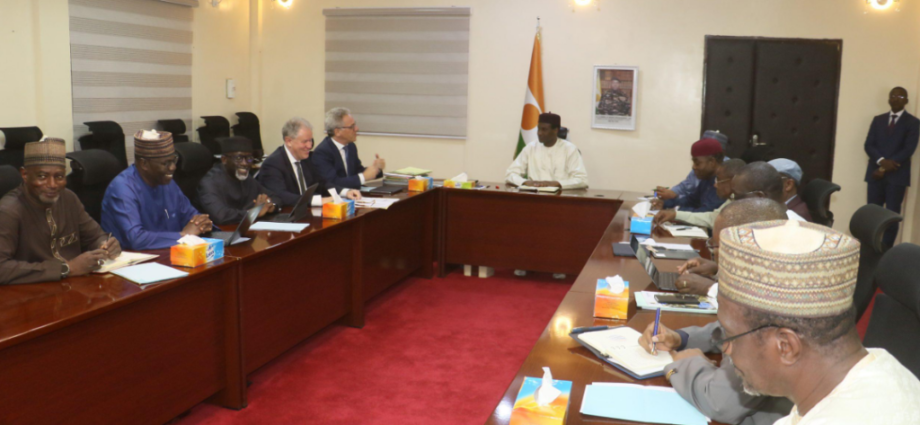
Niger is set to receive a substantial $760 million boost from the World Bank for critical sectors like energy, agriculture and water infrastructure. Announced in Niamey during a high-level meeting with World Bank Vice President Ousmane Diagana, this funding arrives as the nation faces mounting questions about its ability to manage large-scale financial aid. With its budget transparency score plummeting to just 6 out of 100 in 2025—down from 33 in 2023—the country’s governance challenges are becoming impossible to ignore.
Transparency crisis puts new funding at risk
The International Budget Partnership’s Open Budget Survey 2025 delivers a stark warning: Niger’s score of 6/100 ranks among the world’s lowest, far below the 61-point threshold needed for meaningful public financial oversight. The collapse in transparency ratings over two years—from 33 to 6—signals deep institutional weaknesses, particularly in citizen access to budgetary information and independent oversight mechanisms.
Even more alarming, the survey recorded zero scores for both public participation in budgetary decisions and formal oversight controls. This means Nigerians currently lack the tools to track how public funds—let alone new inflows—are being allocated and spent.
Erosion of oversight institutions
Compounding the problem is a broader crackdown on civic freedoms. Media restrictions, operational barriers for independent NGOs, and the suspension of civil society organizations have eroded the very pillars needed for accountable governance. Transparency in public finance isn’t just the responsibility of government; it depends on vigilant citizens, a free press, and active watchdog organizations. When these are weakened, the risks of financial mismanagement, corruption, and inefficiency grow dramatically.
760 Million questions: Who will monitor the money?
As Niger prepares to receive this new injection of capital, the government faces immediate transparency demands. Full disclosure of funding terms, sector-specific allocations, beneficiary projects, and repayment schedules for any loan components must be made public. Detailed project reports, tender records, and audited expenditure statements should follow automatically.
Regular, third-party audits will be essential to ensure funds are used as intended. The World Bank, too, carries responsibility—enforcing its anti-corruption safeguards, ensuring community protection, and verifying that development outcomes are met. Without these checks, hundreds of millions in aid could vanish into opaque channels.
Can sovereignty exist without accountability?
Niger’s leadership champions economic sovereignty, emphasizing reduced foreign dependence. Yet true sovereignty requires more than financial independence—it demands responsible stewardship and public accountability. Claiming autonomy while dismantling democratic oversight creates a dangerous contradiction. The $760 million pledge offers a historic opportunity to uplift communities, but only if delivered with full transparency and citizen engagement.
The real test of governance won’t be measured in dollars allocated—it will be seen in the ability of Nigeriens to demand answers, scrutinize spending, and hold leaders to account. Without these mechanisms, the nation risks trading one form of dependency for another: financial aid without public trust.
Comments are closed, but trackbacks and pingbacks are open.