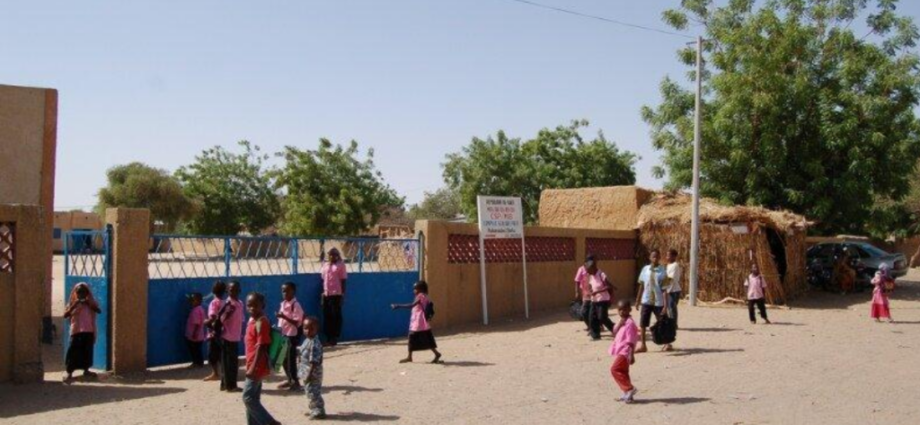
School doors open again in Diffa for every child
Niger’s education system in the Diffa region takes a definitive step forward as schools resume full operations for all communities. The move comes after months of debate surrounding administrative restrictions that had threatened to disrupt children’s access to schooling.
The decision marks a reversal of earlier policies that had raised concerns about fundamental rights violations, particularly affecting vulnerable populations in Niger’s conflict-affected Lake Chad Basin.
From closure to inclusion: the community-wide education shift
The regional government’s announcement represents more than just a policy change—it symbolizes a commitment to ensuring every child in Diffa can attend school without exception. This includes children from communities previously affected by administrative measures, whose right to education had been called into question.
The reversal affects multiple school districts where closures had sparked controversy. Officials confirmed that all education facilities, from primary to secondary levels, are now accessible to students regardless of their community background.
Why the restrictions raised alarm
The temporary closures had been justified by authorities under security concerns linked to regional instability. However, the measures disproportionately targeted certain communities, leading to widespread criticism over potential rights violations.
Human rights advocates and education officials argued that blanket restrictions risked punishing entire groups for actions of a few. The move sparked discussions at national and international levels about balancing security imperatives with human rights protections in Niger.
Contested justifications
The administration cited public safety as the primary reason for initial closures. Yet, leaked reports suggested that some restrictions were based on claims of infrastructure misuse by specific communities—raising questions about their legality and proportionality.
Education experts emphasized that collective punishment has no place in governance, especially when it comes to children’s schooling. International conventions, including the UN Convention on the Rights of the Child, explicitly prohibit such discriminatory practices.
What reopening means for families and learners
For parents in Diffa, the school reopening offers renewed hope. Many had faced impossible choices between safety and education during prolonged closures. Now, children can return to classrooms without fear of exclusion based on their community ties.
Yet challenges remain. Authorities must ensure the following:
- Consistent teacher availability and training
- Maintained school infrastructure and supplies
- Safe, accessible routes to schools
- Timely enrollment processes for all returning students
Beyond classrooms: rebuilding trust and cohesion
The school reopening in Diffa is more than an administrative decision—it’s a statement about national unity. Education is a cornerstone of social cohesion, and excluding children from it undermines long-term stability.
Education officials now face the task of restoring public confidence in the school system. This includes transparent communication about reopening criteria and ongoing efforts to identify and address any remaining barriers to access.
Looking ahead: safeguarding education for all
While the policy shift is welcome, sustainable progress requires vigilance. Authorities must prevent future discriminatory measures and ensure that security concerns never again infringe on children’s basic rights.
For Diffa’s leaders, the real test lies in maintaining this inclusive approach. As classrooms fill once again, the region stands at a crossroads: will schools serve as bridges to a peaceful future, or remain symbols of past exclusion? The answer depends on the choices made today.
Comments are closed, but trackbacks and pingbacks are open.