New protest ban signals crackdown on oil sector scrutiny
The Nigerien transitional authorities have imposed a blanket ban on public demonstrations related to oil sector governance, intensifying restrictions on civic engagement. The move directly impacts opposition groups planning to voice concerns over the handling of Agadem oil fields and revenue transparency. Criticism of fuel shortages and opaque management practices is now effectively silenced under the pretext of safeguarding public order.
From global supplier to local shortage: how Niger’s fuel supply collapsed
The crisis gripping Niamey’s fuel supply reveals deep-seated failures in Niger’s energy infrastructure. As a once-reliable exporter of crude oil, the country now faces severe fuel shortages, forcing motorists into hours-long queues at gas stations. The collapse stems from multiple systemic weaknesses:
- Broken refining capacity: The Zinder refinery (SORAZ) operates far below demand, plagued by outdated technology and chronic breakdowns. Unable to meet national fuel needs, the state-owned Sonidep has been forced into costly emergency imports.
- Loss of Nigerian smuggling routes: For years, clandestine fuel imports from Nigeria filled the gap left by insufficient domestic refining. After Abuja eliminated state subsidies, cheap cross-border supplies vanished, exposing Niger’s fragile supply chain.
- Logistical paralysis: Transporting fuel from Zinder to major cities relies on a dwindling fleet of aging tanker trucks navigating crumbling roads, compounding delays and inefficiencies.
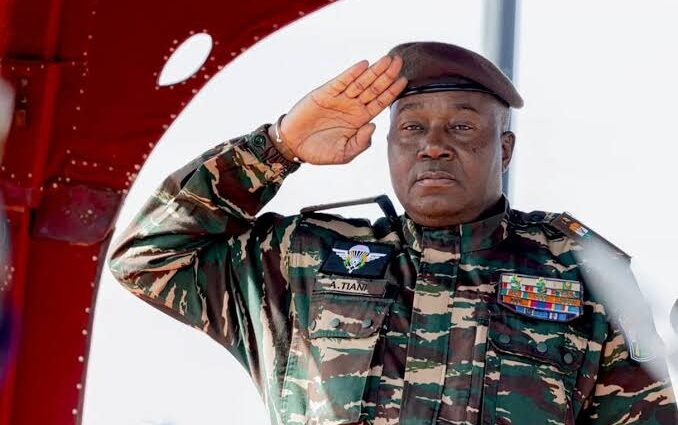
- Governance meltdown: Sonidep’s management remains mired in political infighting, highlighted by the sudden dismissal of its former CEO by General Abdourahamane Tiani, raising questions over the transparency of stock tracking and revenue allocation.
- Geopolitical gridlock: Diplomatic ruptures with neighboring countries and disputes over the Agadem-to-Sèmè-Kpodji pipeline have stalled critical financial flows, further destabilizing the sector.
Desperate measures fail to mask systemic failures
Facing mounting public outrage over fuel scarcity, the government has rolled out aggressive but superficial interventions:
- Nighttime fuel sales ban: Since October 19, public fuel sales have been halted between 9 PM and 6 AM, with bulk purchases in jerrycans also prohibited.
- Export freeze: Implemented on October 12 to prioritize domestic supply, this stopgap measure underscores a reactive — and failing — crisis management approach.
The clampdown on dissent reveals a broader strategy: silencing scrutiny of the government’s energy policies even as Niger’s paradoxical oil wealth fails to translate into reliable domestic fuel access.
Comments are closed, but trackbacks and pingbacks are open.