Sudden fuel price freeze reveals growing instability within Niger’s military regime
The Nigerien military leadership, which seized power last year, faces its first major governance challenge following an unexpected decision to maintain fuel prices at current levels, signaling potential fractures within the National Council for the Safeguarding of the Homeland (CNSP).
From planned increase to sudden reversal: a shift in military priorities
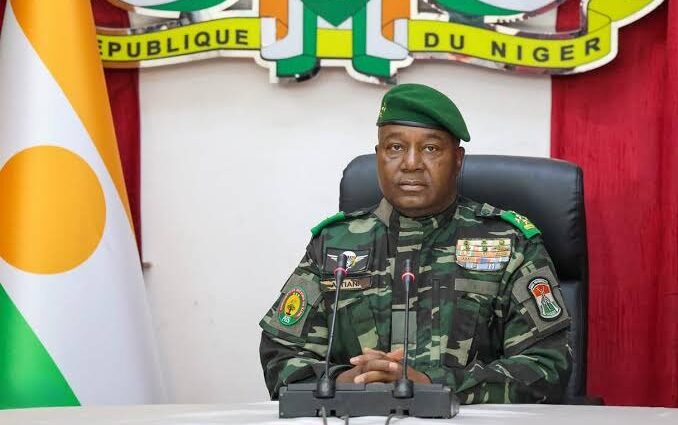
General Abdourahamane Tiani‘s abrupt decision to abandon a previously approved fuel price adjustment has become a symbolic setback for his administration. Both the Ministry of Petroleum and the Refoundation Consultative Council had initially supported the price hike, yet the president’s last-minute reversal suggests internal disputes over economic policy and leadership direction.
Economic consequences and public reaction to the price freeze
The fuel price freeze, while temporarily easing financial pressure on citizens, raises concerns about the junta’s long-term economic strategy. Niger, a landlocked nation heavily reliant on imported fuel, faces rising costs and potential shortages, complicating efforts to stabilize a fragile post-coup economy. Public response has been mixed—while some applaud the decision, others question the regime’s ability to manage critical resources effectively.
What this means for Niger’s political future
The junta’s struggle to enforce economic policies without internal resistance underscores deeper uncertainties about its grip on power. A divided leadership weakens the CNSP’s ability to govern decisively, leaving citizens and international observers questioning the regime’s stability. As Niger navigates this crisis, the fuel price freeze may serve as a litmus test for the military’s authority and cohesion.
Comments are closed, but trackbacks and pingbacks are open.