Niger’s medical sovereignty: reducing overseas health evacuations
The Nigerien healthcare system is undergoing a strategic transformation. Once dependent on costly medical evacuations abroad, the country is now building local capacity to treat patients domestically. This shift is driven by the Ministry of Health and Public Hygiene, under the leadership of Colonel-Major Garba Hakimi, who has prioritized upgrading the nation’s medical infrastructure.
Investing in advanced medical technology
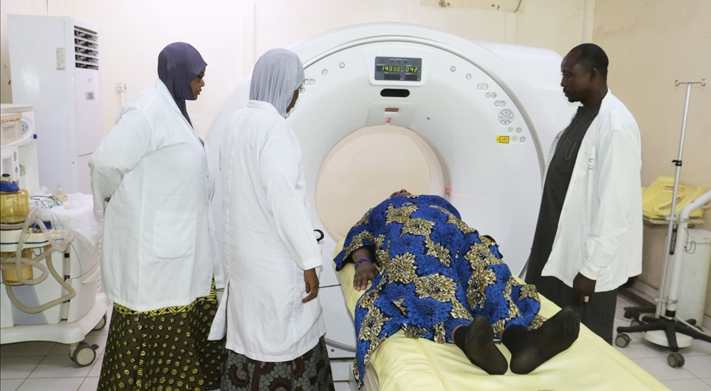
The foundation of this transformation lies in acquiring cutting-edge medical equipment, including 64-slice CT scanners, MRI machines, and linear accelerators for radiotherapy. These investments have enabled Niger to establish three critical pillars of cancer treatment—surgery, chemotherapy, and radiotherapy—within its borders, eliminating the need for expensive overseas evacuations that often placed a heavy financial burden on families.
Cardiology is another area where this progress is evident. Complex cardiac surgeries, previously only available abroad, are now performed locally at a significantly reduced cost. This shift not only improves patient outcomes but also strengthens the country’s medical expertise and reduces reliance on foreign healthcare systems.
Economic and social impacts
The benefits of this strategic initiative extend beyond medical care. By reducing expenses associated with overseas medical treatments, Niger is easing the financial strain on households and making specialized healthcare more accessible to its citizens. Additionally, the development of local medical capabilities is fostering national expertise, contributing to long-term healthcare autonomy and economic resilience.
While certain highly specialized cases may still require evacuation abroad, the trajectory is clear: Niger is progressively building a self-sufficient healthcare system. Through strategic investments, the nation is demonstrating its commitment to treating patients locally, rather than relying on external solutions.
The message is unambiguous: Niger is taking bold steps to strengthen its medical infrastructure, ensuring that more patients receive high-quality care within their own country. This transition marks a significant milestone in the nation’s pursuit of healthcare sovereignty.