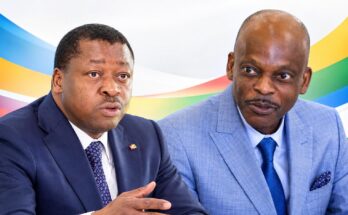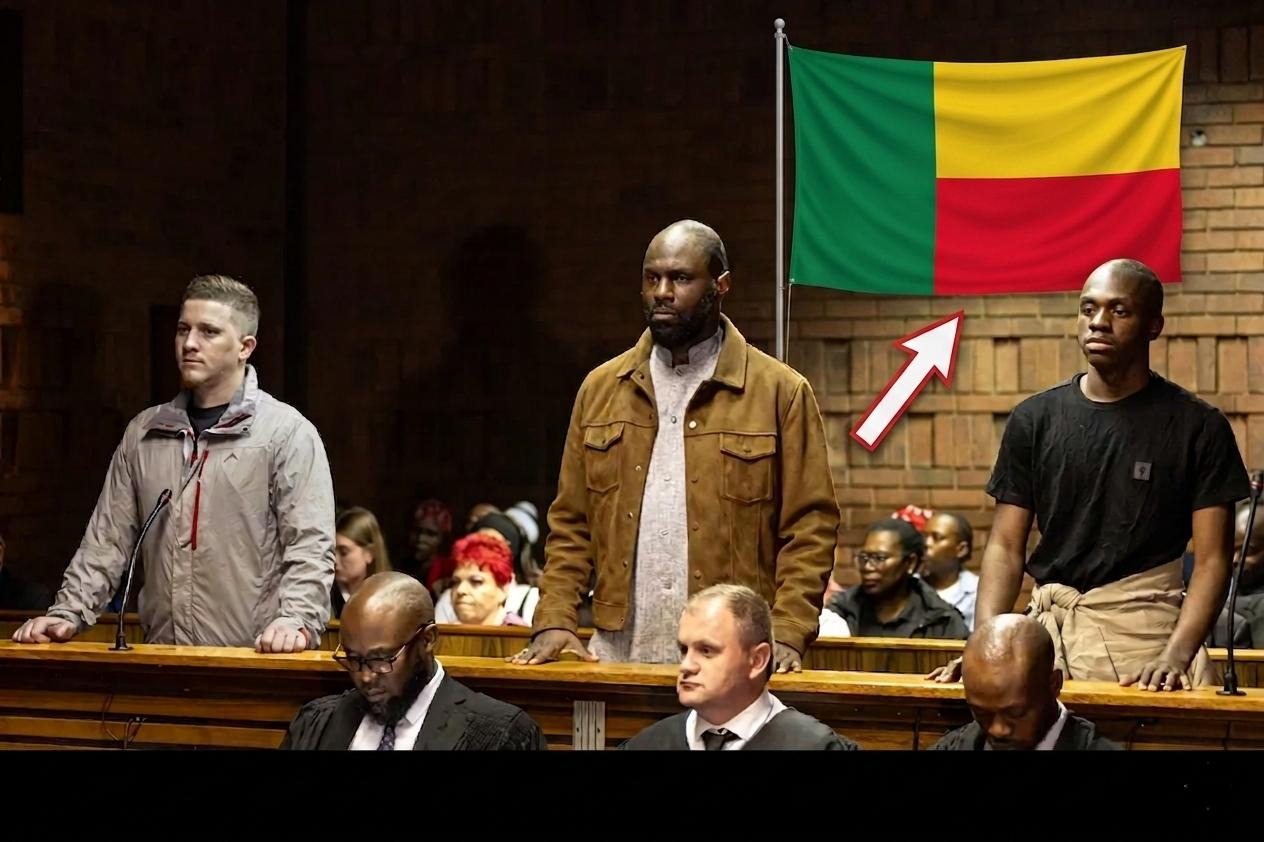
The legal fate of Kemi Seba, the outspoken Bénin-based activist, now hinges on a Pretoria courtroom following his surprise arrest in April 2026. Known legally as Stellio Gilles Robert Capo Chichi, Seba heads the Urgences Panafricanistes NGO and has been caught in a high-stakes diplomatic and judicial clash between South Africa and Bénin.
What sparked the arrest in Pretoria?
South African police detained Seba while he was shopping in a Pretoria mall, acting on intelligence that linked him and his young son to suspected plans for illegal border crossings. Authorities seized multiple phones and roughly 318 000 South African rands in cash, suggesting possible involvement in clandestine logistics aimed at moving people toward Europe via the Zimbabwe–Limpopo river route. While this local charge remains under scrutiny, it may be overshadowed by a larger extradition battle.
Bénin’s heavyweight charges
Bénin has formally requested Seba’s transfer, citing two international arrest warrants issued by Cotonou. The allegations are severe:
- Apology for crimes against state security – tied to public support for attempts to destabilise the government;
- Incitement to hatred, violence, and rebellion;
- Money laundering.
Cotonou frames the Pretoria arrest as a chance to end what it calls an “impunity shielded by regional backers.” Complicating matters, Seba had been travelling on a diplomatic passport issued by Niger under the Alliance of Sahel States (AES) transition authorities.
Court duel: local crime versus extradition request
On 20 April 2026, Seba made a brief appearance in the Brooklyn Magistrate’s Court in Pretoria. His NGO condemns the case as a “political execution” aimed at silencing dissent, yet the judiciary must now rule on two separate issues: the alleged immigration violations and the legitimacy of Bénin’s extradition bid.
A mobility freeze for a globe-trotting activist
Once a frequent flyer between Niamey, Bamako, and Moscow, Seba’s South African detention has thrown a sudden brake on his international movement. Beyond the activism headlines, the court’s decision could redefine how radical panafricanist voices confront state sovereignty and extradition treaties across Africa.