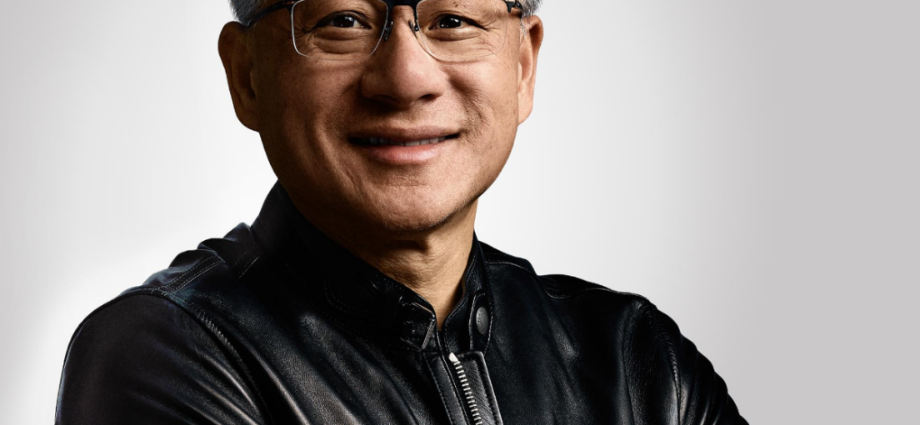
An alleged connection between NVIDIA co-founder and CEO Jensen Huang and a Chinese businesswoman has thrust Silicon Valley’s human networks into the crosshairs of American counterintelligence. What began as whispers in intelligence circles now forces a stark question: Could personal relationships with foreign nationals compromise the security of advanced U.S. technology?
Beyond Personal Ties: The widening scope of the investigation
The scrutiny extends far beyond Jensen Huang’s personal life. U.S. authorities are probing whether Alice Huang—also known as Huang Le—a technology investor with links to Chinese financial and cloud computing sectors, acted as a conduit for Beijing’s intelligence operations. While no public evidence confirms classified data leaks or intentional wrongdoing, the probe underscores growing concerns over China’s human intelligence (HUMINT) strategies in targeting American tech leaders.
NVIDIA, a cornerstone of U.S. AI infrastructure, finds itself at the center of this dilemma. The company designs processors critical to artificial intelligence, supercomputing, and potential dual-use applications in defense and surveillance. Observers question whether access through business ties could inadvertently expose sensitive technological advantages to rival innovation ecosystems.
The cloud computing loophole: How processors slip through cracks
The investigation has also zeroed in on Megaspeed International, a Singapore-based cloud services firm co-founded by Alice Huang. Authorities suspect the company may have facilitated the unauthorized transfer of high-performance NVIDIA chips—including the H100 processors, subject to U.S. export restrictions—into restricted markets.
Records indicate transactions involving regional subsidiaries in Indonesia and Malaysia, with servers potentially rerouted or resold to end users in China. While no direct evidence confirms illegal re-export, compliance gaps in international supply chains complicate oversight. The use of third-party intermediaries masks end-user identities, enabling technology transfers that bypass standard export controls.
Singapore’s role and global counterintelligence fallout
Singaporean authorities have played a pivotal role, detaining Alice Huang and later revoking her re-entry permit. While authorities cited local regulatory violations rather than espionage, the move signals broader vigilance in regions where tech trade intersects with geopolitical risk. The case has prompted calls from U.S. lawmakers for companies like NVIDIA to bolster their internal safeguards against foreign influence operations.
Jensen Huang has acknowledged personal misconduct but denies any compromise of corporate or national secrets. NVIDIA has launched an independent audit to review its vendor due diligence and employee interaction policies, particularly regarding international partners.
Protecting innovation: Can trust be quantified?
The NVIDIA affair exposes a critical vulnerability in national security: the human element. Unlike cyber intrusions or data breaches, HUMINT relies on cultivated relationships, shared affiliations, or perceived vulnerabilities. For American tech giants, vetting executives, partners, and investors across global markets has become a strategic imperative—one that cannot be automated or outsourced.
Meanwhile, the race for AI dominance intensifies. China views advanced computing as a cornerstone of its technological sovereignty, while the U.S. seeks to maintain a decisive edge through export controls and supply chain security. In this context, every handshake, email, or joint venture proposal carries potential intelligence value—and potential peril.
What’s next: Lessons for Silicon Valley and Washington
- Expect stricter vetting: Companies in AI, cloud computing, and semiconductor design may face heightened due diligence on international hires and investors.
- Regional compliance shifts: Asian hubs like Singapore and Malaysia could tighten oversight on tech transactions to avoid scrutiny.
- Congressional action: Lawmakers are pushing for clearer guidelines on detecting and reporting foreign influence in private tech leadership circles.
The NVIDIA case is far from closed. It serves as a cautionary tale: in the war for technological supremacy, the most dangerous weapons may not be silicon chips—but the people who carry them across borders.
Comments are closed, but trackbacks and pingbacks are open.