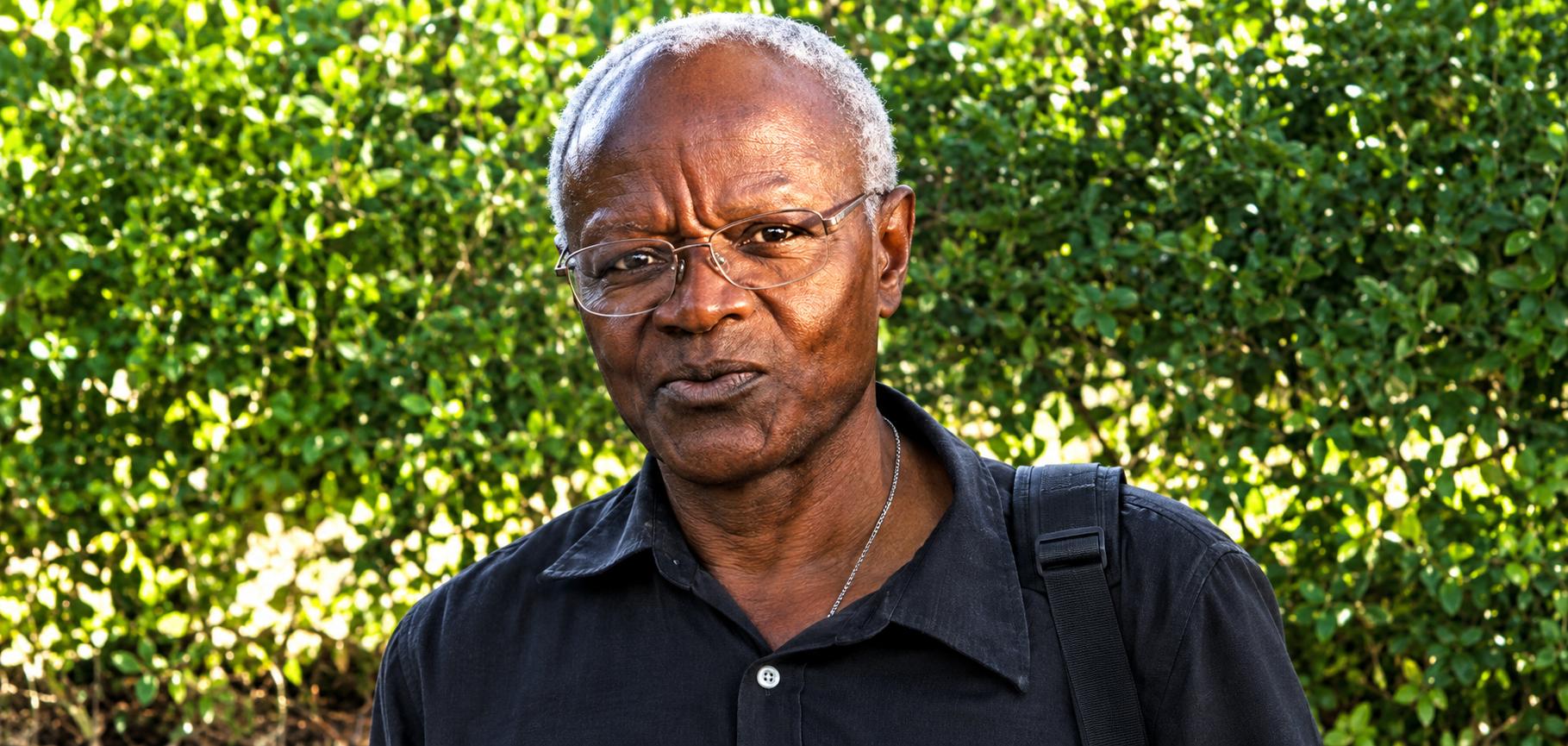
A century of letters that keeps sparking debate
The literary communities of Benin and across Africa are marking a rare milestone, and the reactions are still pouring in. Born on 20 September 1926 in Ouidah, the writer, journalist and literary critic Olympe Bhêly-Quenum has now reached his 100th year. For a man who remains one of the leading figures of French-language literature from the second half of the 20th century, this centenary is not just a birthday — it is a moment of public reckoning with his legacy and a question mark over what comes next.
Roots in a sacred and storied land
Born in Gléxwé, also known as Ouidah, a town long considered the cradle of Vodoun culture and spirituality, Bhêly-Quenum grew up in the household of a mother who served as a Great Priestess of Vodoun. His family belonged to an influential noble lineage tied to the history of the Kingdom of Dahomey. That spiritual and cultural grounding left an indelible mark on everything he would later write, where the sacred, social realism and African mysticism constantly intersect.
The rise of a major body of work
After studying in Benin and later in France, Bhêly-Quenum established himself on the literary scene with a series of powerful works:
- A Trap Without End (1960): His first landmark novel, a moving drama about fate and the human condition, which has become a classic taught in schools and universities across the continent.
- The Song of the Lake (1965): Awarded the Grand Literary Prize of Black Africa in 1966, this novel explores the tension between progress, the demystifying break with tradition and ancestral beliefs around Lake Nokoué.
- The Birth of Abikou (1998): A literary journey into the mythical figure of the spirit-child in Yoruba and Fon cosmology.
A journalist who bridged cultures — and the debate he still fuels
Beyond his novels and short stories, Bhêly-Quenum was a pioneer in African cultural journalism. As director and editor-in-chief of the renowned magazine La Vie Africaine, and later as founder of L’Afrique Actuelle, he acted as an intellectual bridge between African authors and the wider world, tirelessly arguing for the revaluation of African heritage.
As he turns 100, the dean of Beninese letters leaves behind a living legacy — an endless pen that continues to inspire new generations of writers. But his centenary has also opened a wider conversation: how will his work shape the next century of African literature, and what does his journey say about the place of African voices on the global stage?
Comments are closed, but trackbacks and pingbacks are open.