Cameroon’s Political Landscape Shaken by Prolonged Presidential Absence
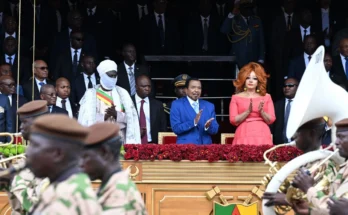
The political scene in Cameroon remains tense as opposition figures call for constitutional clarity amid President Paul Biya’s extended absence from the country. Nearly six weeks after his departure, the 93-year-old head of state has yet to return to Yaoundé, raising concerns about the nation’s leadership vacuum.
Jean-Michel Nintcheu, prominent opposition leader and former Social Democratic Front (SDF) member, has publicly urged the Constitutional Council to officially recognize the power vacancy. In a July 17 statement posted on social media, Nintcheu declared: “The Constitutional Council must acknowledge the vacancy at the highest level of the State.”
Constitutional Council Faces Mounting Pressure
The opposition’s call comes as President Biya completes his 44th consecutive day abroad, having departed Cameroon on June 7 for what was initially described as a brief private visit to Switzerland. The prolonged absence has ignited debates about the president’s health and ability to govern, with reactions sharply divided along political lines.
While some citizens express growing unease about the country’s leadership, the ruling Cameroon People’s Democratic Movement (RDPC) has sought to downplay concerns. Christophe Mien Zok, RDPC’s propaganda director, dismissed rumors of a power vacuum, stating: “The Lion has not left; power remains firmly in place.” The president has continued to conduct official business from Geneva, including signing congratulatory messages to international counterparts such as France’s President Emmanuel Macron on July 14.
Political Divisions Deepen Over Leadership Concerns
Nintcheu’s intervention spotlights the growing impatience among opposition ranks regarding the constitutional process. His demand for the Constitutional Council to intervene reflects broader frustrations over the lack of transparency surrounding the president’s prolonged stay abroad.
The situation underscores the delicate balance between constitutional obligations and political expectations in Cameroon’s evolving governance landscape. As the debate intensifies, all eyes remain on the Constitutional Council to provide clarity on the nation’s leadership status.