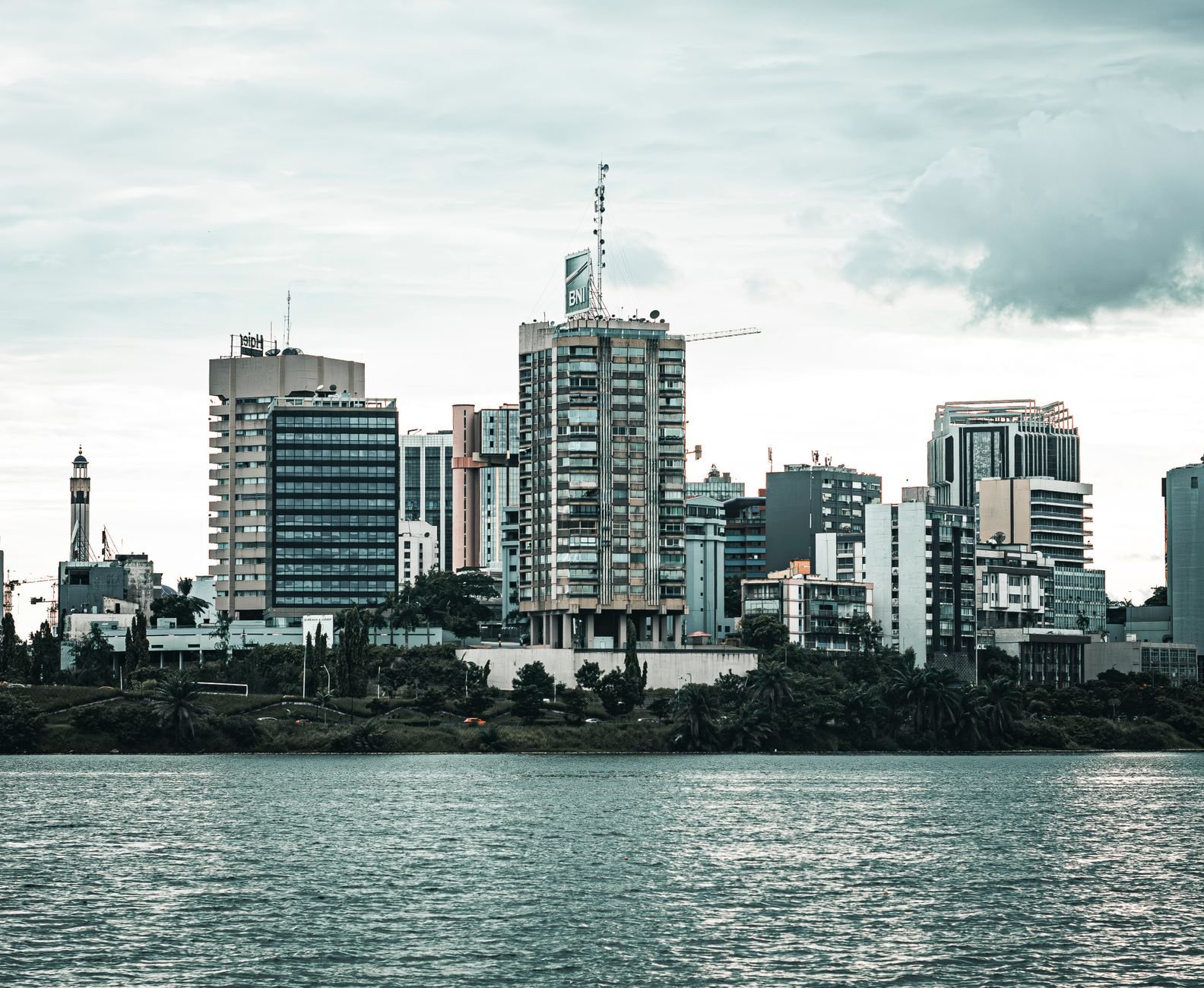
Ivorian President Alassane Ouattara has reiterated his commitment to steering Côte d’Ivoire toward accelerated growth by rallying all national stakeholders behind his vision of a « Greater Côte d’Ivoire. » This clarion call, issued at the start of a fresh political cycle, underscores the Head of State’s determination to unite administrative, economic, religious, and community leaders around a shared national agenda. It arrives as Abidjan seeks to leverage a decade of robust expansion to reach the next stage of structural development.
Uniting national stakeholders for a unified vision
The presidential appeal targets every segment of Ivorian society. Public institutions, political parties, private enterprises, civil society, traditional authorities, and the diaspora are all urged to contribute to a collective effort. The framing of this initiative reflects an inclusive approach to governance, where national progress hinges on broad-based participation rather than top-down directives alone. This strategic positioning comes at a critical juncture when public policy stability and continuity are under heightened scrutiny.
For President Alassane Ouattara, this initiative builds on core priorities established since 2011—industrialization, rural connectivity, and positioning Abidjan as a regional hub. His goal is to convert strong macroeconomic indicators, including average growth exceeding 6% over recent years, into tangible improvements in household welfare. The concept of a « Greater Côte d’Ivoire » encapsulates this dual ambition: sustaining economic gains while ensuring broader social redistribution.
Long-term economic and political ambitions
Economically, the vision of an expanded Côte d’Ivoire encompasses several ongoing flagship projects. The Port of Abidjan continues its expansion, while the Port of San Pedro strengthens its role in mining and agricultural supply chains. The highway network is extending northward toward Burkina Faso and Mali, aiming to reinforce West African trade corridors. The energy sector, long a weak point following the 2024 supply crisis, is receiving major investments to stabilize production and diversify the energy mix.
The political dimension remains equally vital. By reaching out to diverse stakeholders, President Ouattara is widening the support base for his policies beyond the ruling Rassemblement des houphouëtistes pour la démocratie et la paix (RHDP). This strategic openness signals a recognition that large-scale infrastructure and economic transformation projects require a minimum consensus to withstand potential political shifts. Emphasizing national unity over partisan loyalty reflects a long-term strategic outlook.
Building consensus for lasting progress
The language used is deliberate. The term « Greater Côte d’Ivoire » evokes the nation-building rhetoric of founding President Félix Houphouët-Boigny, where collective ambition was expressed through unifying slogans. This deliberate invocation of history aims to ground current policies in a legacy of continuity and to counter perceptions of excessive executive power. Yet the true test will lie in translating this vision into practical, measurable outcomes.
Observers emphasize that success hinges on measurable progress in governance, business climate improvement, and reducing regional inequalities. The northern and central regions, lagging in infrastructure compared to the coastal belt, remain key priorities. Additionally, engaging the youth—over 75% of the population under 35—poses a structural challenge. For the presidential appeal to gain real traction, concrete mechanisms must be established to ensure the voices of all stakeholders shape decision-making processes.
Comments are closed, but trackbacks and pingbacks are open.