Ousmane Sonko elected president of Senegal’s National Assembly
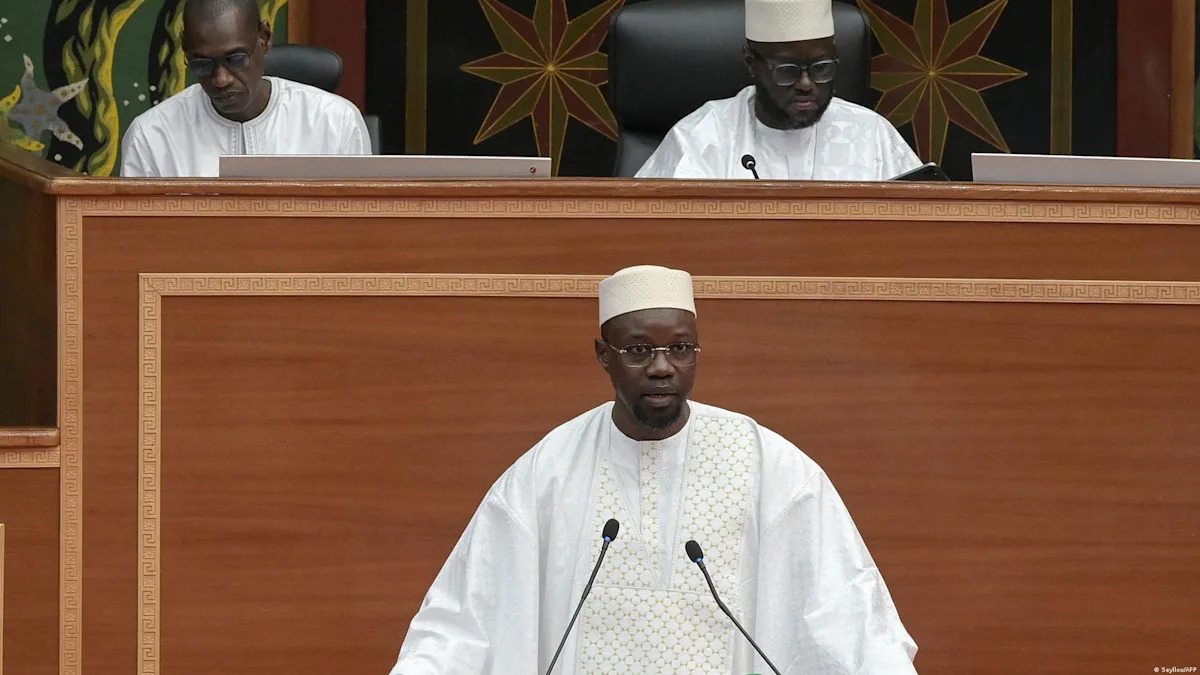
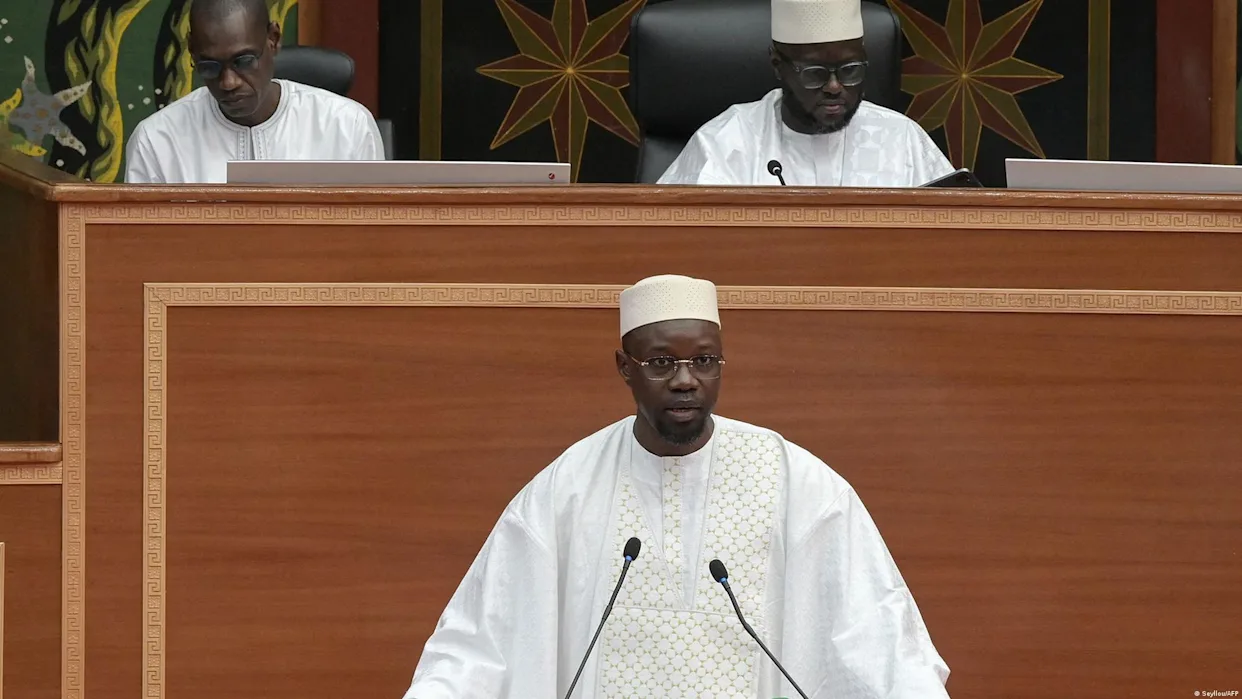
Ousmane Sonko has been elected president of Senegal’s National Assembly, securing a decisive victory in a vote among members of his Pastef party. This outcome follows recent political tensions in the country and underscores the shifting dynamics within the young administration led by President Bassirou Diomaye Faye, who shares Sonko’s party affiliation.
The newly elected Assembly leader received thunderous applause from fellow legislators, with Pastef holding a commanding 130 out of 165 parliamentary seats. The position was vacated by El Malick Ndiaye, who resigned over the weekend after Sonko’s dismissal as Prime Minister.
Political tensions and institutional showdown
Sonko’s election comes amid escalating political friction between him and President Faye, both prominent figures in the Pastef movement. The rift deepened after Sonko publicly criticized key government decisions during a National Assembly session, leading to his abrupt removal as Prime Minister.
Today’s parliamentary proceedings will address two critical matters: Sonko’s potential reinstatement as a deputy and the election of a new Assembly president to replace El Hadj Malick Ndiaye, who resigned in protest following Sonko’s dismissal. The influential Pastef loyalist stepped down immediately after Sonko was ousted from the premiership.
Political analyst Malao Kanté suggests this development could trigger direct confrontation between the former allies: “While Sonko may represent a new opposition figurehead, his party now controls the parliamentary majority—a situation fraught with risks. The opposition could push for a vote of no confidence against the new Prime Minister, potentially paralyzing governance.”
Opposition challenges government’s reinstatement procedure
Party officials loyal to Sonko have begun resigning in solidarity, while opposition groups reject El Hadj Malick Ndiaye’s resignation letter as procedurally invalid. Aïssata Tall Sall, leader of the opposition parliamentary group Takuu Walu, has called for President Faye to refer Sonko’s reinstatement to Senegal’s Constitutional Council, warning it constitutes a constitutional coup that could ultimately threaten Faye’s own position.
In response to the crisis, President Faye appointed banking veteran Ahmadou Al Aminou Mohamed Lô as the new Prime Minister. Lô, a former central bank executive and minister, has pledged national unity while emphasizing that Senegal stands at a critical juncture requiring collective mobilization.
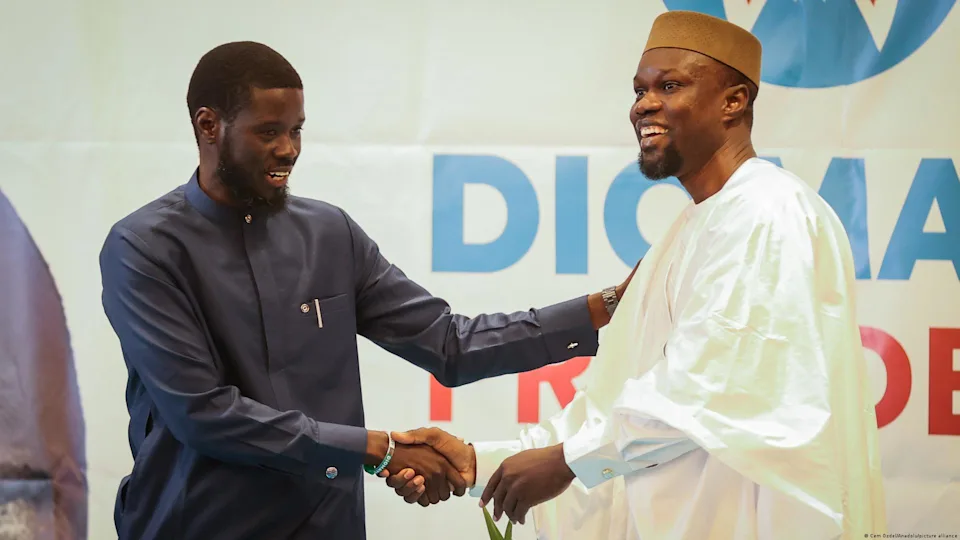
As Senegal navigates this political crossroads, the nation watches closely to see whether institutional stability can be maintained or if the crisis will deepen existing divisions within the governing coalition.
Related Posts