Political rift: A clash of visions beyond personalities
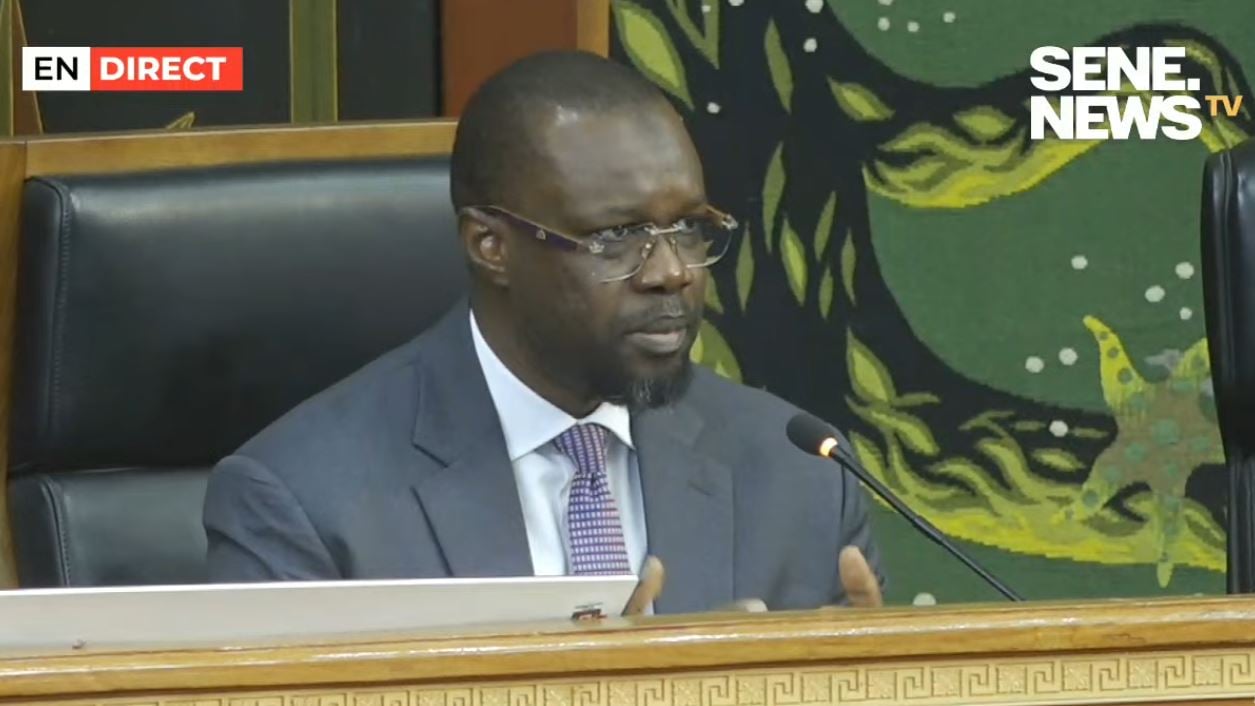
The newly elected President of Senegal’s National Assembly, Ousmane Sonko, has shed light on the ideological divide that led to his political estrangement from President Bassirou Diomaye Faye. In a speech blending philosophy and historical reflection, he framed the rupture not as a personal feud but as a fundamental conflict over the essence of governance and public service.
The former Prime Minister anchored his argument in classical thought, invoking Aristotle’s definition of politics as the supreme art when directed toward the common good. « The stakes are not about individuals, but about the relationship between morality and politics, » Sonko declared, positioning the debate at the heart of Senegalese democracy.
Morality as the cornerstone of leadership
Sonko’s remarks extended beyond abstract theory, grounding his critique in Senegal’s own political history. He invoked Mamadou Dia, the nation’s first post-independence leader, as a symbol of integrity in governance. Dia’s warnings against merging state power with private interests resonated with Sonko’s own stance: « A nation may retain its symbols of sovereignty—flag, anthem, institutions—yet still lose its soul if public ethics erode. »
The new Assembly President argued that crises in African governance often stem from a moral fatigue—a gradual erosion of the public trust that sustains institutions. When leaders prioritize personal ambition over collective progress, the Republic’s foundations weaken, he cautioned. While stopping short of direct accusations, Sonko’s words underscored a clash with the current administration’s approach to power.
A nation’s resilience hinges on ethical governance
In Sonko’s view, the fragility of African states lies not only in economic hardship but in the corrosion of ethical standards. His departure from the government and subsequent rise to Assembly leadership signal a broader reckoning: « Governance must serve the people, not the other way around, » he emphasized. The philosophical tone of his address framed the political split as a defense of republican values against the encroachment of self-interest.