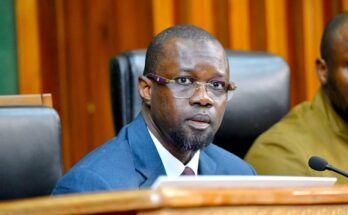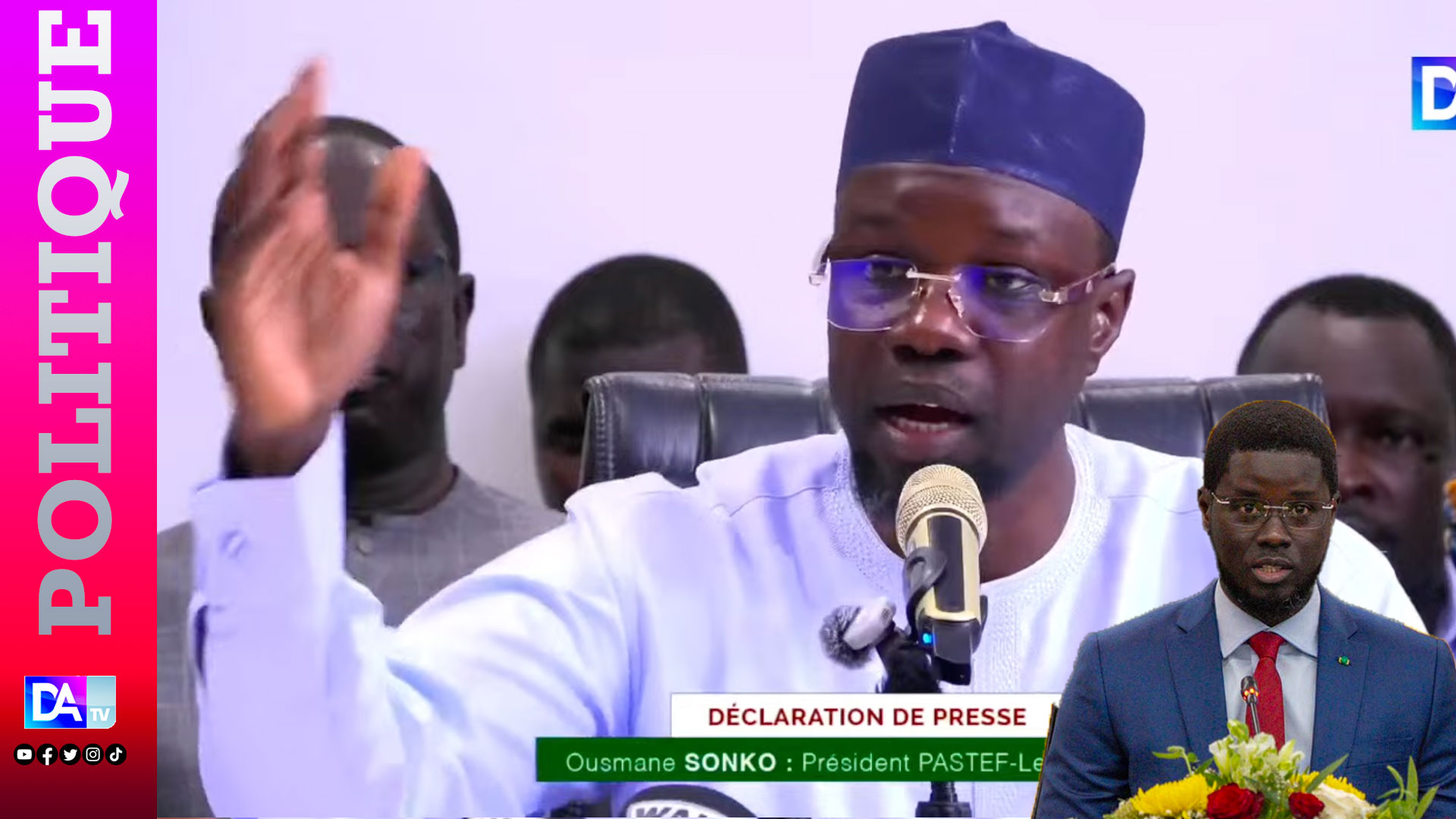
In a dramatic turn during a press briefing this past Tuesday, Ousmane Sonko, leader of Senegal’s PASTEF party, exposed the tensions that marred negotiations ahead of the new government’s formation. The breakup between PASTEF and the presidency has now reached a critical stage, with Sonko declaring that a workable cohabitation is no longer possible.
The rift centers on a fundamental disagreement: who truly holds the power to govern. Sonko emphasized that in Senegal’s political system, governance must reflect the will of the parliamentary majority. “We are the majority,” he asserted, “and it is our prerogative to choose the Prime Minister.”
During discussions with Bassirou Diomaye Faye, Sonko claimed to have noticed a clear shift in strategy. According to his account, Faye had made a deliberate decision to distance himself from PASTEF in favor of aligning with other political actors. Sonko strongly contested this move, warning President Faye that such an approach undermined the very foundations of democratic governance.
The negotiations covered critical national issues, including public debt, cost of living, contract renegotiations, justice reform, and accountability. Yet, despite extensive exchanges, no common ground was found. “On the justice front, there was no agreement whatsoever,” Sonko declared, highlighting this as one of the most contentious points of contention.
When the President proposed a 30-member cabinet, Sonko set a non-negotiable condition: PASTEF must hold a majority of positions. That demand was ultimately ignored. “At this stage, we realized we would have no real influence over the decisions being made,” Sonko explained. This realization led PASTEF to firmly decline participation in the Al Amine Lô-led government, marking a definitive split in Senegal’s political landscape.