
Senegal’s political landscape braces for a defining moment
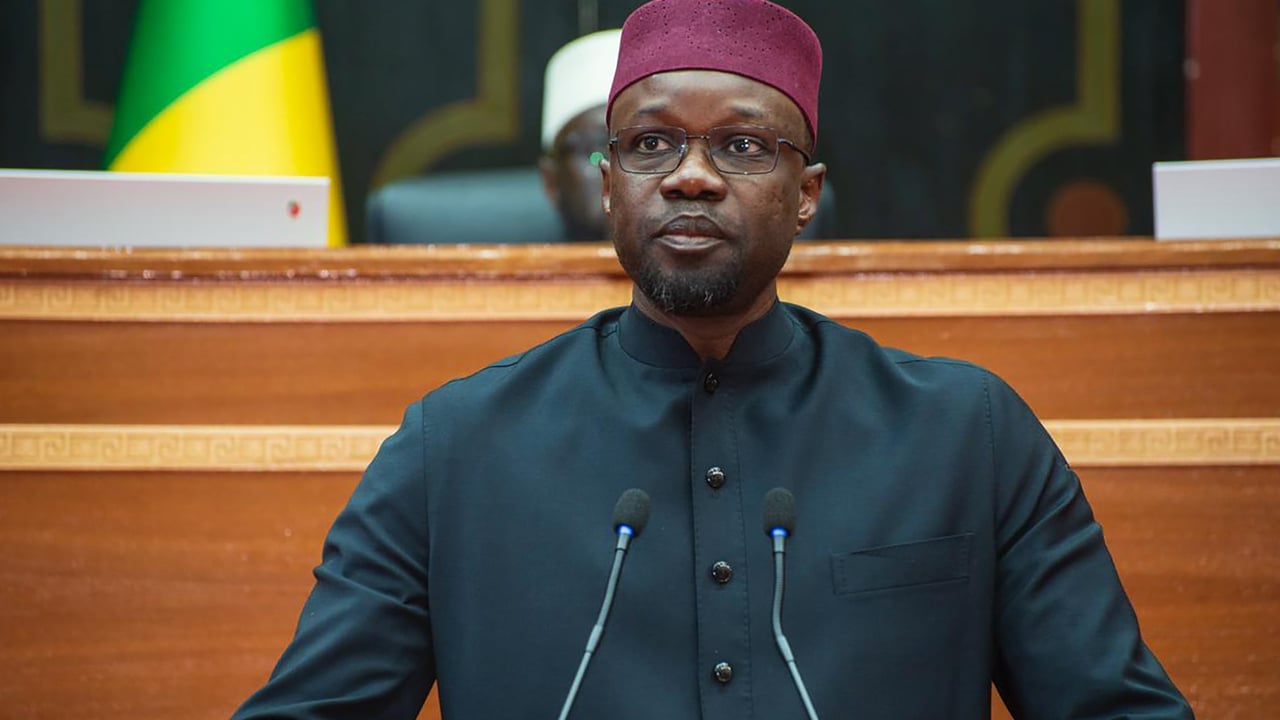
As Senegal’s political arena heats up, Ousmane Sonko, leader of the Pastef movement, is making final preparations to solidify his party’s dominance in the national assembly. The upcoming legislative session is shaping up to be a watershed event, with Sonko positioning himself as the central figure in the country’s evolving power dynamics.
Observers closely watching Dakar are describing this as more than just another parliamentary gathering. It is widely seen as a demonstration of strength for Pastef, a party that has rapidly risen from opposition ranks to become a major political force in Senegal.
From opposition to influence: Pastef’s journey
Founded by Sonko in 2014, Pastef (Patriotes africains du Sénégal pour le travail, l’éthique et la fraternité) began as a grassroots movement with a focus on anti-corruption and social justice. Over the years, it has grown into a formidable political entity, challenging the traditional power structures that have long dominated Senegalese politics.
The party’s ascent gained significant momentum following Sonko’s presidential bid in 2024, where he secured a strong second-place finish despite facing legal challenges. His supporters rallied behind his populist rhetoric, which resonated with a younger, urban electorate frustrated by economic stagnation and perceived government inefficiency.
Sonko’s strategic positioning
In the lead-up to the legislative elections, Sonko has been meticulous in consolidating Pastef’s base. His party’s campaign strategy has leveraged social media, grassroots mobilisation, and alliances with smaller political groups to broaden its appeal beyond its traditional strongholds in Dakar and other urban centres.
The national assembly, where Pastef currently holds a growing number of seats, is poised to become a battleground for legislative influence. Sonko’s party is expected to push for key reforms, particularly in areas of economic policy, transparency, and governance—issues that have been central to its platform.
A new era for Senegalese politics?
The impending legislative session could mark a turning point for Senegal, a country known for its stable democracy but also grappling with pressing socio-economic challenges. Pastef’s rise has introduced a new dynamic, one that challenges the dominance of long-established parties and signals a potential shift in the political balance of power.
As Sonko prepares to take the helm of Pastef within the national assembly, the eyes of the nation—and indeed the region—are on Dakar. The outcome of this legislative session may well determine whether Senegal enters a new chapter in its political history, or whether the status quo will prevail.