Patrice Talon elected leader of Benin’s historic first Senate
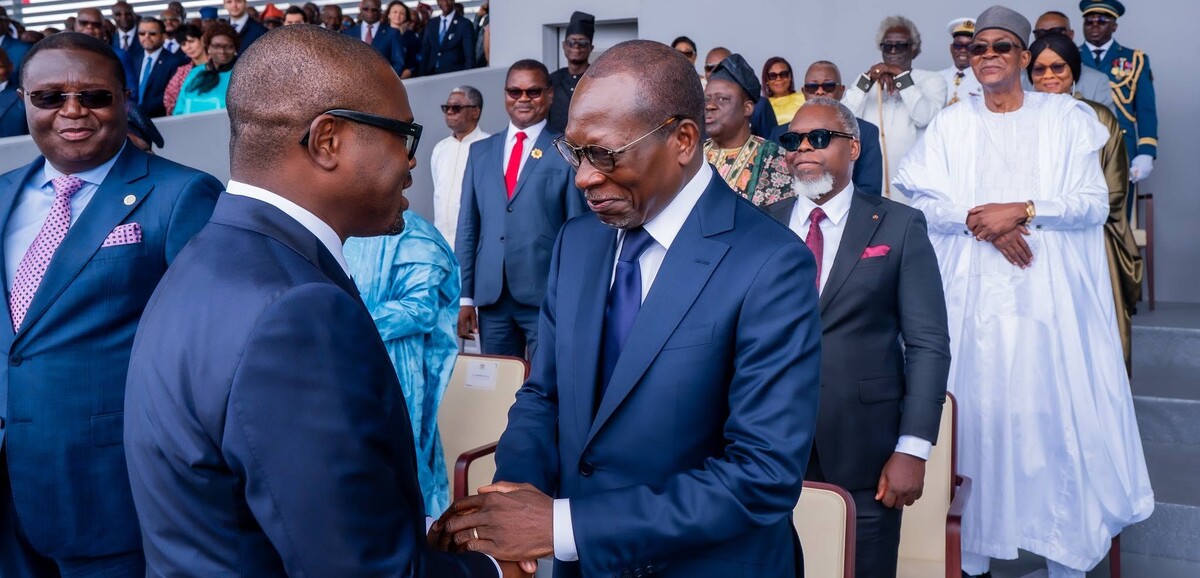
Less than four months after stepping down as Benin’s president, Patrice Talon has assumed a new role as the inaugural leader of the country’s first-ever Senate. Established through the 2025 constitutional overhaul, this legislative body marks a significant milestone in Benin’s political evolution.
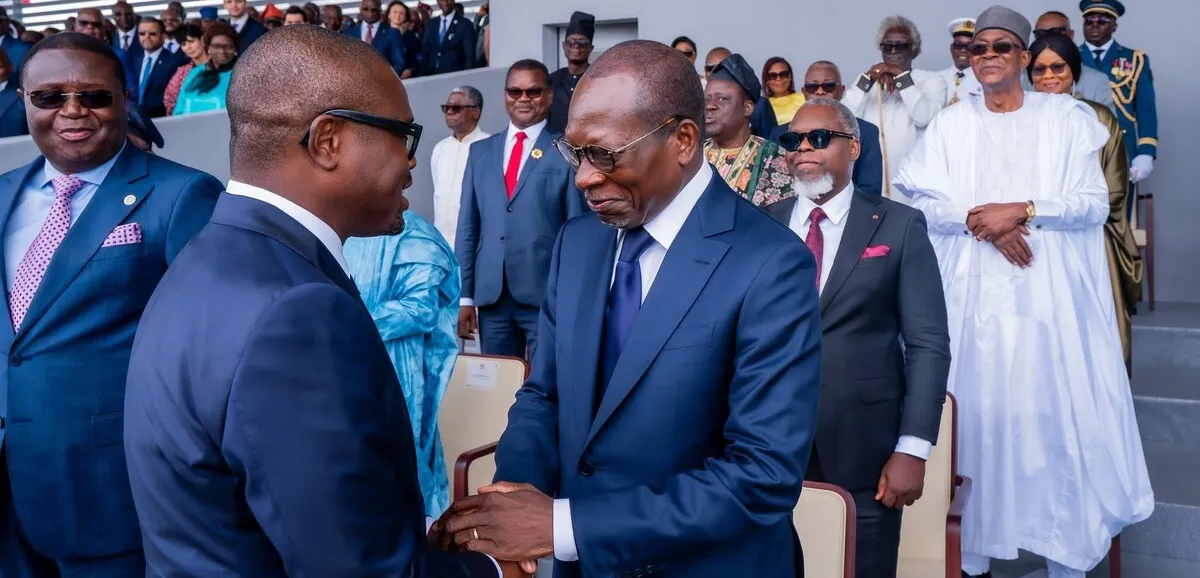
On August 6, Talon secured 24 of 25 votes in the Senate election, with one blank ballot cast. The new upper house, which began operations in late July, comprises 25 members: former presidents and appointees selected by the head of state.
Patrice Talon’s vision for Benin’s political future
During his inauguration speech in Porto-Novo, Talon outlined his priorities, emphasizing national unity, political stability, peace, and democratic governance. He pledged to foster a Senate that functions as a cohesive “family” to strengthen institutional efficiency. The chamber includes prominent figures such as former presidents Thomas Boni Yayi and Nicéphore Soglo, as well as Paul Hounkpè, a former opposition presidential candidate.
This Senate represents one of the key innovations introduced by the constitutional reforms, designed to enhance political regulation and governance in Benin. Talon’s leadership marks his return to the political forefront, following his peaceful transition of power to former Economy Minister Romuald Wadagni, who was elected president in April 2026.
A new chapter for Benin’s institutions
The creation of the Senate reflects the country’s commitment to modernizing its governance framework. By including former presidents and diverse political figures, the chamber aims to promote continuity and broad representation in national decision-making processes.
With Talon at its helm, the Senate is poised to play a pivotal role in shaping Benin’s political landscape, ensuring that the nation’s democratic foundations remain robust and inclusive.
Comments are closed, but trackbacks and pingbacks are open.