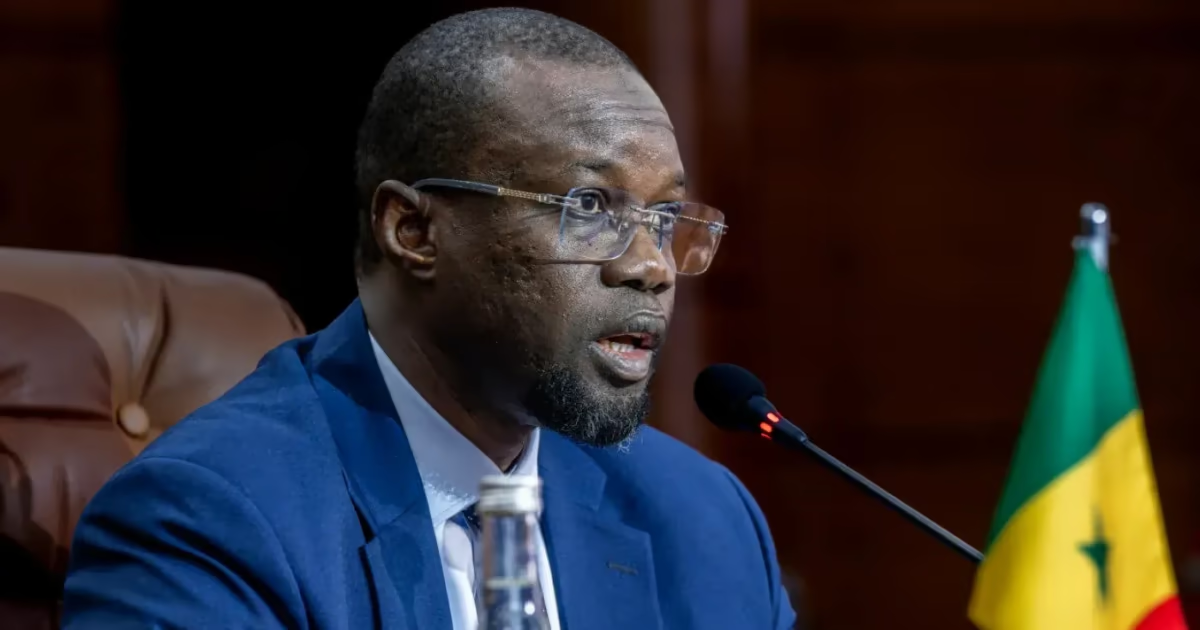
Senegal’s political landscape has been rocked by a wave of resignations from key figures within the Pastef party, once united under Ousmane Sonko’s leadership. What began as isolated departures has snowballed into a sweeping exodus, encompassing long-standing supporters, emerging leaders, and directors of public agencies alike.
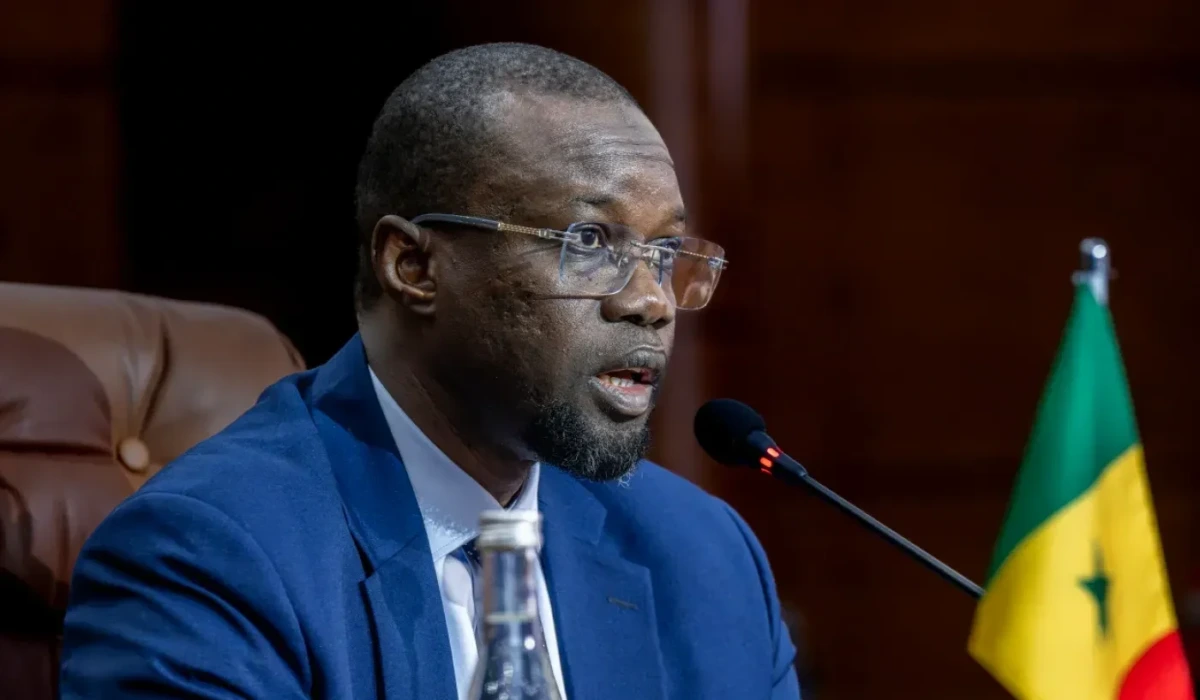
The surge in resignations follows a growing rift between President Bassirou Diomaye Faye and Ousmane Sonko, who together spearheaded the historic political shift of March 2024. Initially hailed as the driving force behind an era of change, their partnership has crumbled, with Sonko’s removal from his post as Prime Minister in May 2026 marking a turning point in their strained relationship.
Despite assuming the role of National Assembly President, Sonko retained control of the Pastef party. Meanwhile, President Faye has been consolidating his authority over the state apparatus, setting the stage for a decisive confrontation. The divide became glaringly evident earlier this month when Minister Moussa Bala Fofana tendered his resignation, just days after Sonko publicly criticized ministers for failing to align with the party’s directives. Fofana, a three-time urban planning minister, clarified that his decision was not influenced by the President, though he maintained a tone of respect for his former mentor.
Constitutional overhaul fuels deepening tensions
On July 3, President Faye escalated the situation by announcing the formation of a new presidential party aimed at unifying political forces. This bold move has cemented perceptions of a definitive split between the presidency and the founding party, Pastef. On the ground, the coalition Diomaye Président has been rapidly mobilizing to absorb incoming defections, signaling a major realignment in Senegal’s political arena.