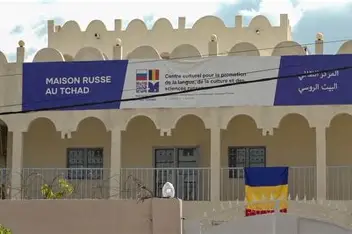
From Bamako to Bangui, with stops in Niamey, the so-called Russian Houses have rapidly become one of the most effective tools in Moscow’s strategy to extend its reach across Africa. Officially established to foster cultural and educational exchanges, these centers now operate in more than twenty nations, serving as a cornerstone of Russia’s soft power initiatives on the continent.
Through language instruction, cultural programming, and the provision of thousands of university scholarships, the Russian government aims to cultivate a favorable image among African youth. By shaping a new generation of professionals, academics, and policymakers who are aligned with its values and geopolitical objectives, Moscow seeks to embed its interests deeply within African institutions for decades to come.
Yet this approach has not gone without scrutiny. While the educational and cultural opportunities provided to African students are undeniable, questions persist regarding the underlying motivations behind Russia’s investment. Is the Kremlin’s commitment to education and cultural diplomacy purely altruistic, or does it serve a broader agenda—one designed to mold future African leaders in ways that align with Russian strategic interests?
History reveals a well-trodden path: major global powers have long leveraged education, university exchanges, and cultural diplomacy to expand their influence beyond their borders. By shaping the minds of tomorrow’s decision-makers today, these nations forge enduring networks of influence and secure long-term political partnerships. Russia’s current initiatives appear to follow this exact blueprint.
As traditional Western presence wanes in several African states, Moscow has moved swiftly to fill the void. The Russian Houses are no longer mere cultural outposts; they function as strategic instruments intended to embed Russian influence into the fabric of African societies. Whether their role is confined to cultural exchange or extends to ideological shaping remains a subject of intense debate.
What is clear is that these centers represent more than an educational or diplomatic initiative—they are a calculated investment in the continent’s future, one designed to yield returns in influence and alignment for years to come.
Comments are closed, but trackbacks and pingbacks are open.