Deadly strike at a central Ukrainian transport hub
A Russian jet-powered drone slammed into Dnipro’s busiest train station platform on the morning of 29 October 2026, killing at least thirteen civilians and injuring many more. The strike occurred while passengers were boarding a morning train bound for Zaporizhzhia—one of the country’s most vital rail links.
Attack targets vital civilian infrastructure
Dnipro, a major industrial city in central-eastern Ukraine, had just experienced a typical commuter rush when the unmanned aircraft detonated on the station concourse. Local authorities confirmed the attack and said the damage extended to a passenger carriage of the scheduled departure to Zaporizhzhia. Ukrzaliznytsia, Ukraine’s national railway operator, stated that the drone struck while civilians were still present, making this strike a direct hit on a civilian transport node still operating despite wartime risks.
Rescue efforts deployed immediately
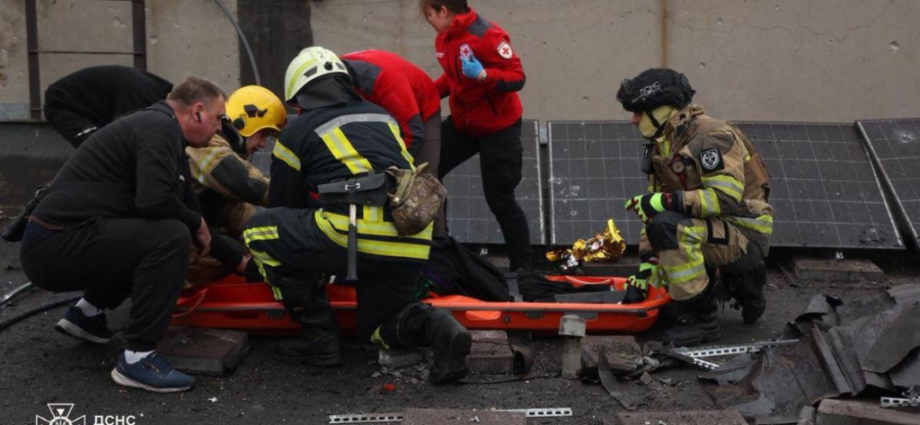
Emergency services, medics, and security forces arrived within minutes to cordon off the area, triage the wounded, and begin the grim task of victim identification. Mayor Borys Filatov described the scene as a tragedy and denounced the strike as an indiscriminate act of terror aimed at disrupting daily civilian life. President Volodymyr Zelensky later branded the attack an “abhorrent war crime,” underscoring the moral gravity of targeting a public facility during daylight hours.
Rail network remains lifeline under fire
Since Russia’s full-scale invasion in 2022, Ukraine’s railway system has become a national artery for evacuations, freight transport, and passenger travel. Stations such as Dnipro’s function both as transit points and communal spaces where families reunite, workers commute, and aid deliveries arrive. A single aerial strike can sever connections, stall aid convoys, and plunge neighborhoods into uncertainty for days.
Ukrzaliznytsia noted that a high-risk air alert had been issued before the attack, yet civilians remained on the platform. The failure to evacuate everyone illustrates the near-impossible balancing act authorities face: maintaining essential services while protecting lives under constant airborne threats.
Drone warfare raises new defense challenges
The use of jet-powered drones has introduced a new layer of risk across Ukraine. Unlike propeller-driven UAVs, these faster, higher-altitude platforms exploit gaps in air-defense coverage and are harder to intercept. Defense planners now confront the reality that civilian railways, hospitals, and energy sites all lie within potential strike ranges, forcing costly deployments of counter-drone systems and real-time surveillance networks.
The exact flight path and intended target of the drone that struck Dnipro remain under investigation; however, the civilian casualties make the incident a probable breach of international humanitarian law. If confirmed, it could add further weight to Ukraine’s calls for stronger Western sanctions and military support against Russia’s escalating tactics.
War’s human toll visible in shattered lives
Each number in the rising death toll is a life paused mid-journey—fathers heading to work, students returning home, elderly travelers seeking shelter. With thirteen families shattered and scores more coping with injuries, the strike has once again exposed the fragility of daily routines in a country at war. The interruption of train services, albeit temporary, compounds the anxiety of communities already living under evacuation notices and blackout schedules.
As rescue operations wind down and the investigation begins, one question lingers: how can a nation safeguard the very infrastructure that sustains its people when that infrastructure itself becomes a deliberate target? The answer may define not only the resilience of Ukraine’s transport network, but the moral threshold the world is willing to accept in modern warfare.
Comments are closed, but trackbacks and pingbacks are open.