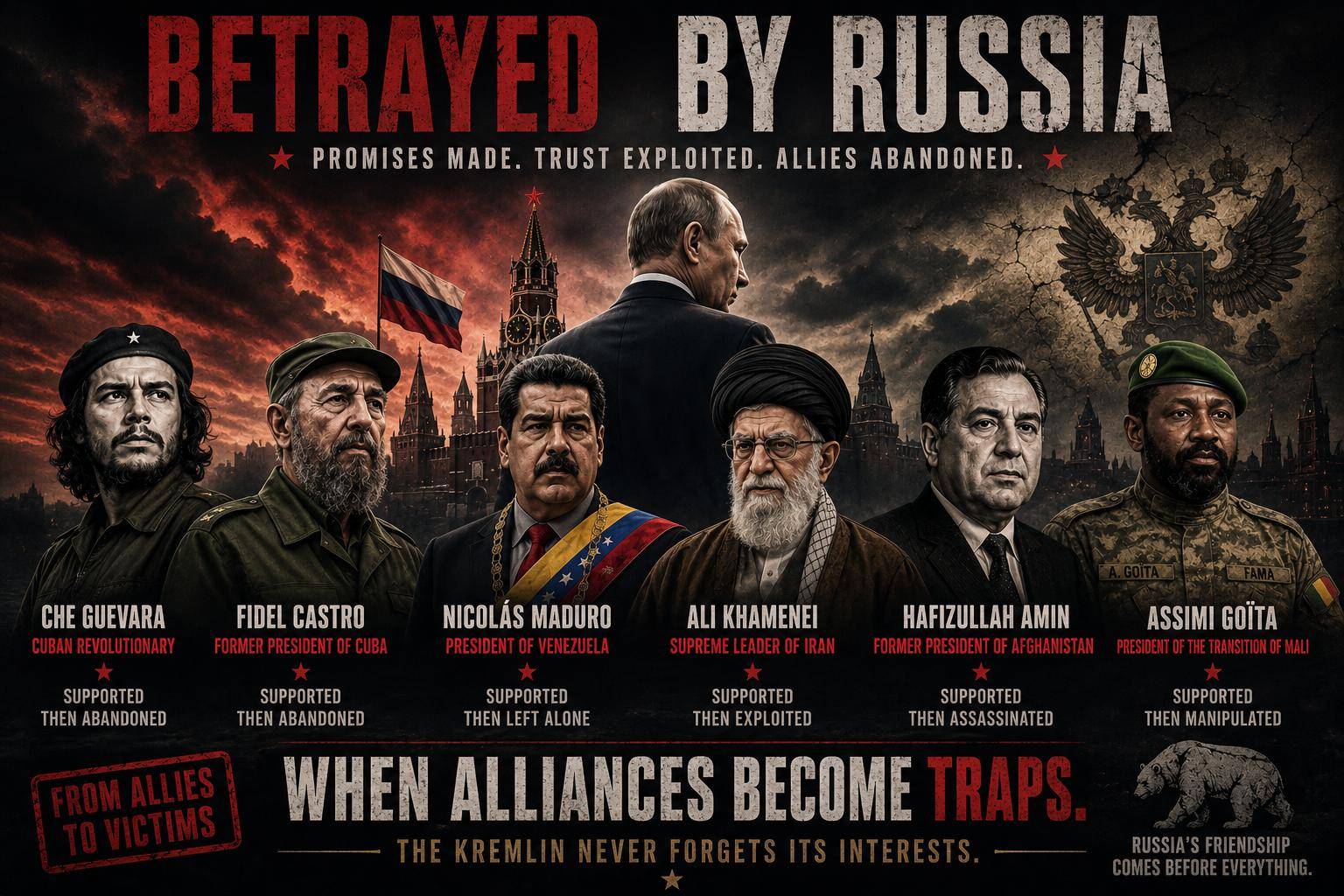
The Kremlin’s diplomatic playbook seems to have a new rule: when allies stumble, Moscow goes silent. This isn’t a breakdown in loyalty—it’s a deliberate strategy, one that has left observers puzzled by the absence of Russia’s usual vocal support for its partners in distress.
From Africa to the Middle East, Russia’s allies face mounting crises—military setbacks, political upheavals, or mass unrest—but the response from Moscow is consistently the same: a deliberate, almost clinical silence. Gone are the days of fiery declarations or rapid diplomatic interventions. Instead, the Russian foreign ministry adopts a stance of studied indifference, leaving its partners to wonder whether their alliance with the Kremlin holds any real substance.
the ‘wait and see’ gamble
For international relations analysts, this silence isn’t a sign of weakness—it’s a calculated move. The Kremlin’s approach follows a simple yet ruthless logic: avoid tying your country’s fate to a sinking ship. By staying silent, Moscow retains the freedom to pivot at a moment’s notice. If an ally recovers, Russia can re-engage without losing face. If the ally collapses, the Kremlin avoids being dragged down with it and can quietly explore new alliances with emerging powers.
This strategy also serves as a subtle rebuke. While Western capitals often issue public condemnations or calls for restraint, Russia’s silence speaks volumes. It signals disapproval without the messiness of open confrontation, leaving its allies to shoulder the consequences of their own missteps while avoiding public displays of discord within its sphere of influence.
alliances built on cold calculations
The Russian approach reveals a harsh truth: its alliances are purely transactional. Moscow doesn’t intervene out of loyalty—it acts only when its core interests are at stake. If a crisis threatens only a local regime, Russia prefers to stay on the sidelines, letting its ally bear the brunt of international pressure. Meanwhile, Russian state media and influence networks shift into overdrive, spinning narratives of external interference and shifting blame to unnamed Western actors, creating a smokescreen that distracts from the Kremlin’s hands-off approach.
This leaves allies in a precarious position. Russia’s support, when it comes, is often a fair-weather phenomenon—loud in times of triumph but conspicuously absent when the going gets tough. The message is clear: in the world of geopolitics, alliances are temporary, and solidarity has its limits.
As crises multiply for Russia’s partners, one thing becomes increasingly evident: Moscow’s silence is not a sign of weakness—it’s a weapon.
Comments are closed, but trackbacks and pingbacks are open.