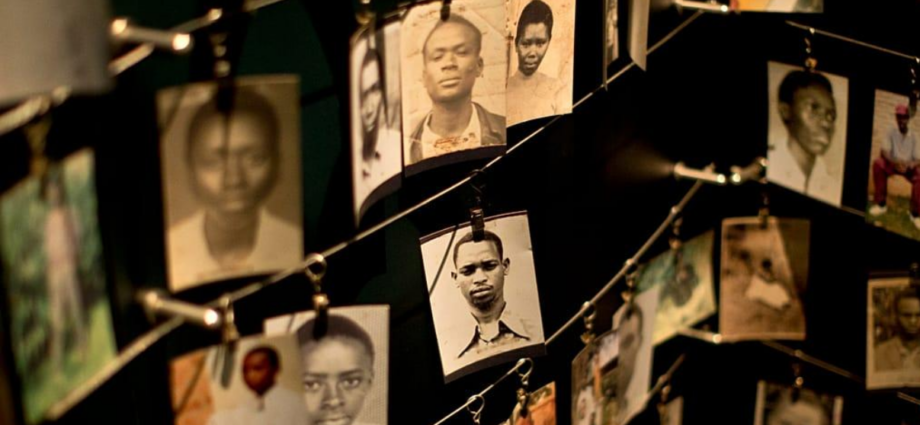
Thirty years later, Teganya faces Rwanda genocide charges
After more than three decades abroad, Jean Leonard Teganya has been returned to Rwanda to face accusations of participating in the 1994 genocide against the Tutsi minority. The 55-year-old doctor arrived in Kigali on November 9, 2026, following his expulsion from the United States, where he had been serving a 97-month sentence for immigration fraud and perjury.
Rwandan prosecutors allege that Teganya, then a medical student and intern at Butare University Hospital, actively collaborated with the MRND party and the Interahamwe militia during the 1994 genocide. Authorities claim he led armed groups that systematically tracked down Tutsi patients and refugees seeking shelter within the hospital premises.
From fugitive to depositee: Teganya’s detained upon arrival
Upon landing at Kigali International Airport, Teganya was immediately taken into police custody and transferred to prosecution authorities for questioning. His case has now moved to the Rwandan judicial system, where he faces charges of genocide and crimes against humanity.
Investigators have gathered evidence linking Teganya to violent acts, including testimonies pointing to his presence during killings and sexual violence incidents in Butare Prefecture, now part of Huye District in southern Rwanda. A formal indictment issued in 2014 accused him of directing militias responsible for targeted attacks against civilians.
Years on the run: Teganya’s global odyssey before capture
Teganya fled Rwanda in July 1994, following the fall of the genocidal regime. His escape took him through the Democratic Republic of Congo, Kenya, and India, before he settled in Canada in 1999, where he applied for asylum. Canadian authorities denied his claim based on evidence linking him to atrocities committed in Butare.
In 2014, Teganya illegally crossed into the United States from Canada and was later arrested in Maine. Despite filing multiple asylum petitions, he continued to misrepresent his past to immigration officials. In 2019, a U.S. federal court in Boston found him guilty of two counts of immigration fraud and three counts of perjury, leading to his 97-month sentence.
The American conviction addressed only immigration violations and not the genocide charges that now fall under Rwandan jurisdiction. His expulsion to Rwanda marks the eighth such transfer from the U.S. since 2007, reflecting continued international efforts to bring genocide suspects to justice.
What comes next in Teganya’s judicial journey
The Rwandan justice system now holds the responsibility of examining the genocide accusations against Teganya. Prosecutors must present evidence, hear testimonies from survivors, and determine his individual criminal responsibility during a fair trial process.
For survivors and victims’ families, Teganya’s return symbolizes a belated yet meaningful step toward closure. His case also serves as a reminder that impunity cannot be guaranteed by distance or time, and that justice for international crimes remains a global priority.

Comments are closed, but trackbacks and pingbacks are open.