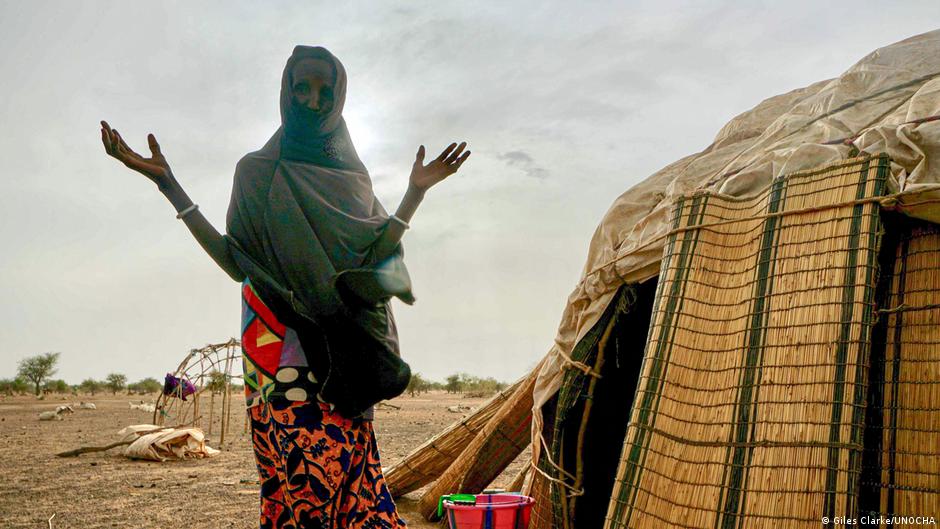
Northern Mali faces severe food insecurity amid regional crisis
The Sahel region is grappling with an unprecedented hunger crisis in 2025, with one in five residents experiencing food deprivation. This alarming statistic reflects a 15-year worsening trend that has pushed the region’s humanitarian situation to critical levels, particularly in conflict-affected zones.
Root causes of the Sahel’s escalating food crisis
Fanta Touré Diop, Regional Representative for West and Central Africa at Action Against Hunger, identifies multiple drivers behind this deepening emergency:
- Escalating conflicts: Armed groups have disrupted agricultural activities and displaced millions, particularly in northern Mali, forcing families to abandon their lands and livelihoods.
- Climate change impacts: Prolonged droughts and erratic rainfall patterns have decimated crops across the Sahel, exacerbating food shortages.
- Dwindling funding: A sharp reduction in international aid has crippled emergency response efforts, leaving millions without critical support.
Northern Mali: The epicenter of the crisis
The situation in northern Mali remains particularly dire, with 24.3 million people in the Sahel now requiring urgent food assistance and protection. The region’s displacement crisis has intensified, with families fleeing violence to overcrowded camps in southern cities like Bamako and Sikasso. The nutritional needs of these populations have surged, with 11.3 million children and women at risk of malnutrition.
Fanta Touré Diop emphasizes the need for coordinated action between international organizations, local civil society, and Malian authorities to address both immediate hunger relief and long-term resilience-building measures.
Critical funding gap threatens regional stability
The humanitarian response is severely underfunded, with only 21% of the $3.7 billion required mobilized to date. This shortfall has forced Action Against Hunger to suspend over 50 projects across 20 countries, including Chad, further straining already fragile systems.
The organization highlights that 57 million people in West and Central Africa now face food insecurity, demanding urgent political leadership and data-driven strategies to reverse this alarming trajectory.
Pathways to resilience: What must change?
To combat the crisis, Fanta Touré Diop urges African leaders to prioritize:
- Political commitment: Strong leadership is essential to mobilize resources and implement sustainable solutions.
- Data-driven planning: Accurate assessments of nutritional needs are critical for effective intervention.
- Regional cooperation: Collaborative efforts between Sahel nations can amplify impact and share best practices.
Comments are closed, but trackbacks and pingbacks are open.