Sénégal 2029: Electoral Reform Paves Way for Ousmane Sonko’s Presidential Run
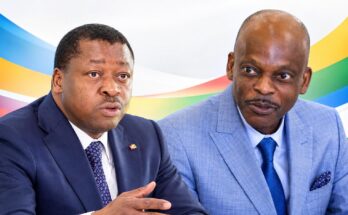
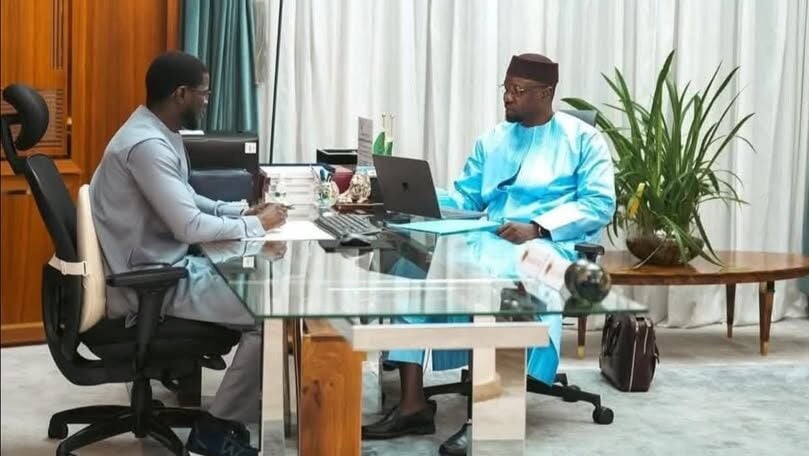
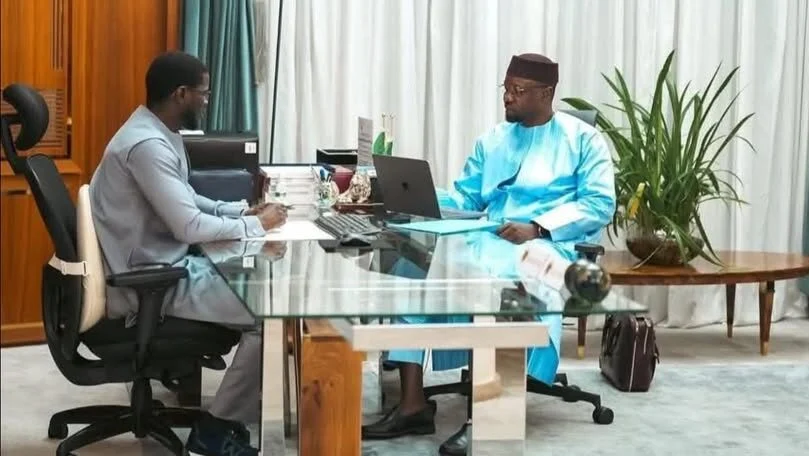
The President of the Republic of Senegal, Bassirou Diomaye Faye, has signed into law a highly debated electoral reform bill, significantly altering the country’s political landscape ahead of the 2029 presidential election. This legislative move has placed his Prime Minister, Ousmane Sonko, in a stronger position to contest the race, despite lingering internal party tensions.
Confirmed by an official presidential decree, the reform introduces sweeping changes to the electoral code, particularly regarding civil rights deprivation—a critical factor in determining presidential eligibility. The new provisions limit the duration of civil rights suspension to five years following the completion of a sentence, replacing the previous indefinite restrictions. Critics argue the retroactive nature of the law could retroactively rehabilitate Sonko’s eligibility after his earlier conviction.
Internal party rifts deepen amid legislative changes
Tensions within the ruling Pastef party have intensified since the reform’s adoption. Initially passed by the National Assembly on April 28, the bill faced unexpected resistance when President Faye requested a second reading, citing alleged “clerical errors” in the draft. This unexpected delay fueled speculation that the president sought to stall the legislation, though he ultimately signed it into law on May 9 after a second vote.
Within Pastef, factions have openly clashed over the implications of the reform. Some party leaders accused Faye of prioritizing personal political ambitions over party unity, while others viewed the changes as necessary for democratic inclusivity. The reform’s passage marks a decisive moment in the power struggle between Senegal’s top leadership figures.
Sonko’s eligibility: From legal setback to potential comeback
Ousmane Sonko’s political future hung in the balance after a 2023 defamation conviction, which stripped him of his voting rights and barred him from the 2024 presidential election. Serving as a six-month suspended sentence and financial penalties, the verdict was upheld by the Supreme Court in January 2024, effectively ending his eligibility at the time. However, his subsequent election as a deputy in November 2024—and immediate resignation to remain Prime Minister—demonstrated his enduring influence.
With the new electoral law now in effect, Sonko’s legal pathway to the 2029 race appears increasingly viable. The reform’s retroactive clause could erase the civil rights suspension tied to his conviction, allowing him to regain full eligibility. This legislative shift not only reshapes the political field but also tests the resilience of the ruling coalition as Senegal approaches a pivotal electoral cycle.