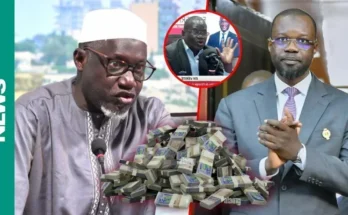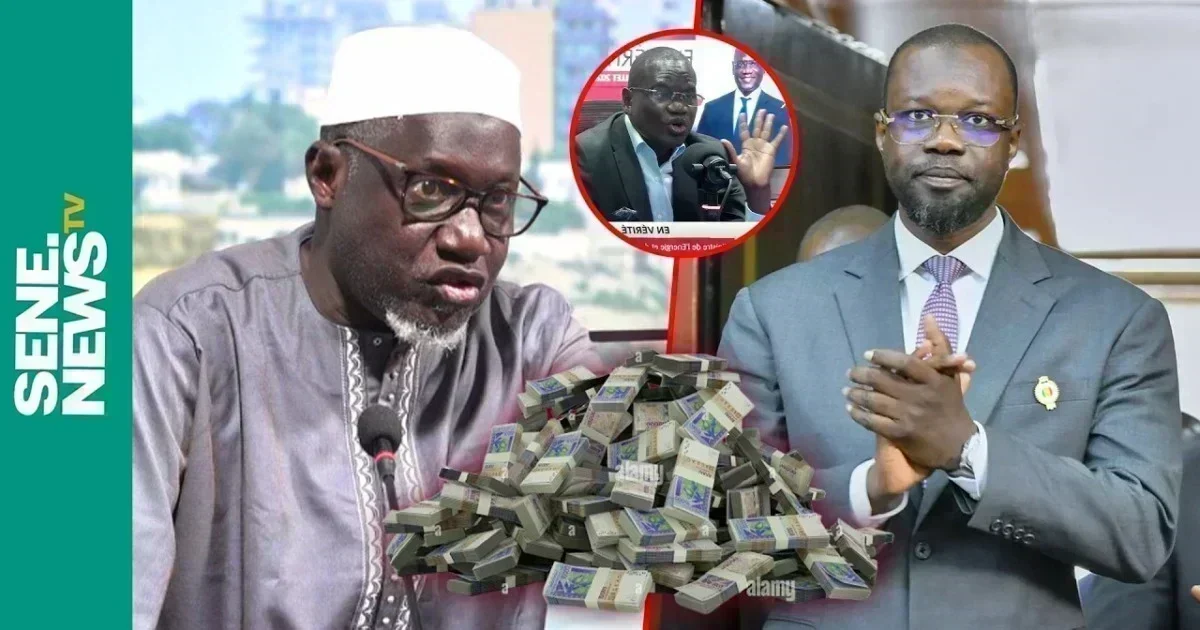
Imam Kanté addresses Moundiaye Cissé’s remarks on Ousmane Sonko
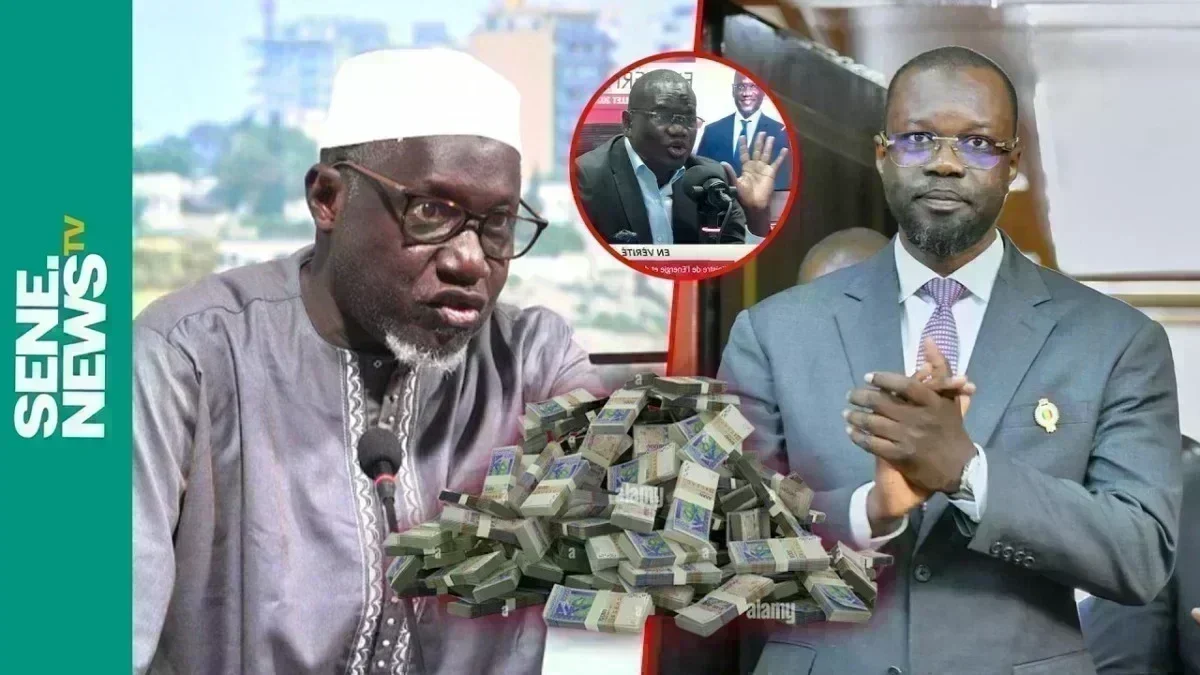
Whether tracking Senegal’s political currents or seeking clarity on the latest debates, Imam Kanté’s rebuttal sheds fresh light on the ongoing discussions surrounding Ousmane Sonko.
In a sharply worded response, the prominent religious figure Imam Kanté directly countered assertions made by Moundiaye Cissé regarding Ousmane Sonko’s political trajectory. The exchange has intensified scrutiny of Sonko’s role within the nation’s evolving political landscape.
The Imam’s remarks arrive amid heightened tensions, with many observers closely watching how this dispute could influence public opinion and the broader political climate in Senegal.
Why this confrontation matters
At its core, this debate touches on fundamental questions about leadership, accountability, and the future direction of Senegal’s political scene. Imam Kanté’s intervention underscores the growing intersection between faith and public discourse in West African governance.
For those invested in understanding the nuances of Senegalese politics, the Imam’s perspective offers valuable insights into the motivations and implications behind recent political maneuvers.
Key points from Imam Kanté’s statement
- Direct rebuttal: The Imam did not mince words, addressing Cissé’s claims with a firm and uncompromising stance.
- Call for unity: He emphasized the need for political actors to prioritize national cohesion over divisive rhetoric.
- Focus on Sonko: The Imam’s response reaffirmed his stance on Ousmane Sonko, framing the discussion within a broader context of political responsibility.
- Public appeal: By making his response public, Imam Kanté invited citizens to critically assess the ongoing political narratives.
Senegal’s political arena under the microscope
The disagreement between Imam Kanté and Moundiaye Cissé is not an isolated incident but part of a larger pattern of high-stakes political discussions in Senegal. Observers note that such confrontations often serve as catalysts for broader societal reflection and debate.
As Senegal navigates its political challenges, the voices of influential figures like Imam Kanté play a pivotal role in shaping the national conversation. His intervention serves as both a challenge to conventional wisdom and a call for deeper engagement with the issues at hand.