Senegal politics: Ousmane Sonko elected National Assembly Speaker after government reshuffle
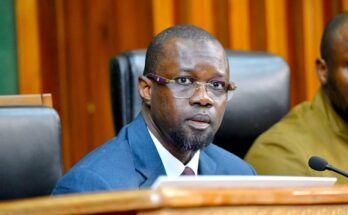
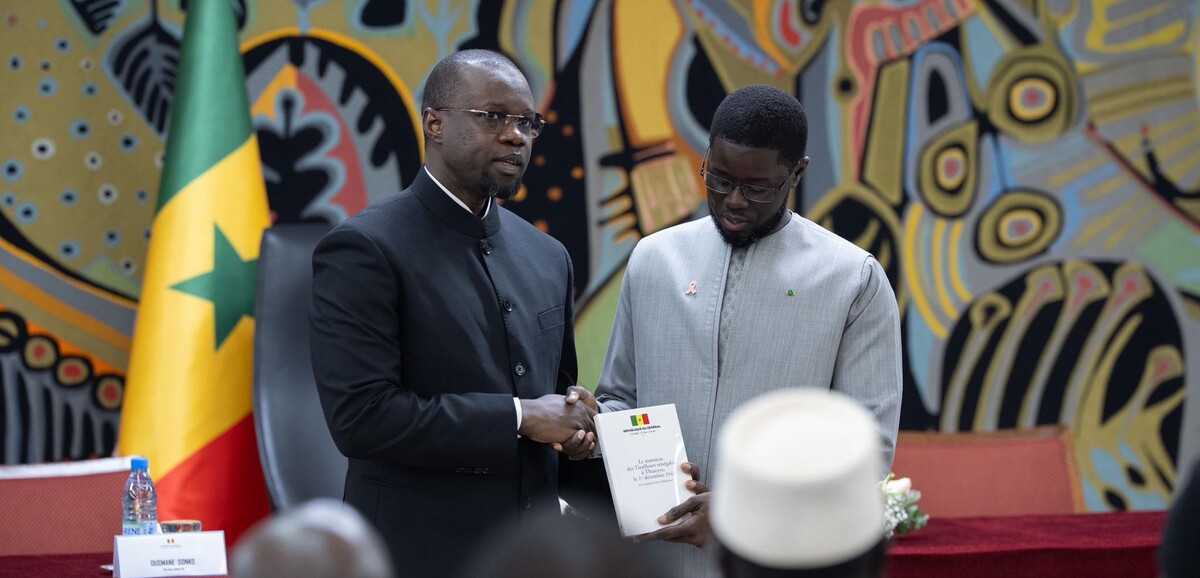
Five days after his dismissal as Prime Minister, Ousmane Sonko secured election as Speaker of Senegal’s National Assembly. Meanwhile, President Bassirou Diomaye Faye appointed a new Prime Minister to head the government. The political transition continues to shape the nation’s legislative and executive landscape.
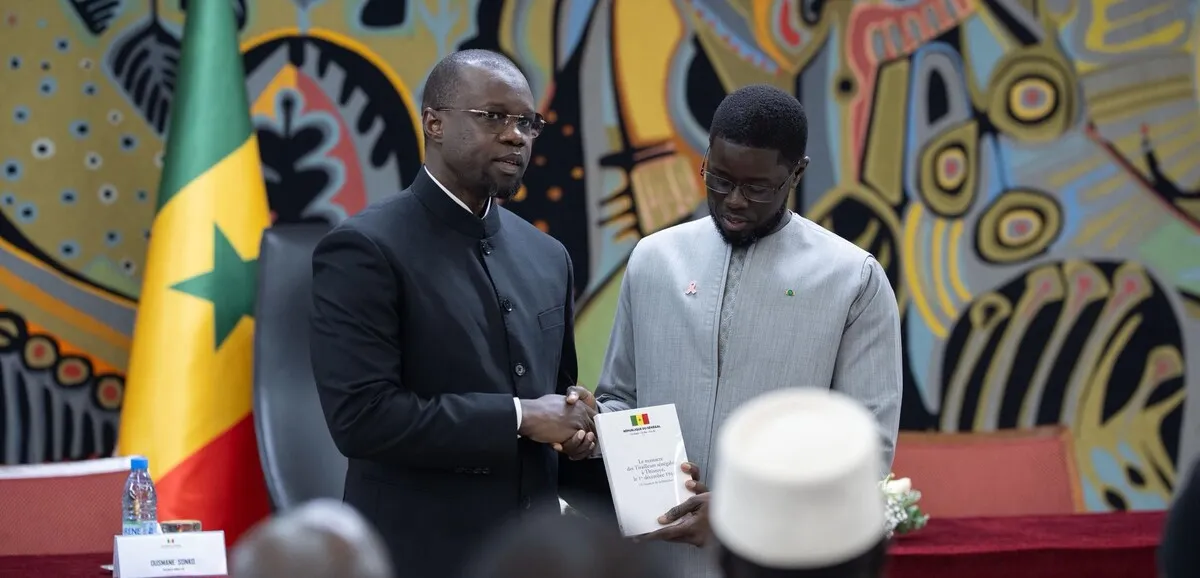
From Prime Minister to Parliament Speaker: Sonko’s swift political comeback
The sudden return of Ousmane Sonko to the National Assembly as its newly elected Speaker has sparked both approval and legal debate. His reinstatement followed his removal from the Prime Minister’s office just days earlier. Critics question whether the parliamentary seat was legally restored, while supporters argue it reflects the democratic will of voters, who backed him in the 2024 legislative elections.
The legal nuances of his return hinge on constitutional interpretations regarding parliamentary membership and leadership eligibility. While the opposition challenges the move, constitutional experts suggest the decision may rest on procedural compliance.
Amadou Al-Aminou Lo: The new Prime Minister with deep ties to Sonko and the President
The appointment of Amadou Al-Aminou Lo as Prime Minister marks a strategic choice by President Bassirou Diomaye Faye. Lo, a seasoned economist and former central bank official, brings technical expertise in finance and monetary policy. His background aligns with the current economic challenges facing Senegal, including inflation and fiscal sustainability.
Sonko himself acknowledged Lo’s nomination, revealing that he had previously recommended Lo for a senior government role. Their collaboration spans months, suggesting a working relationship built on mutual trust. While some expected a more politically driven appointment, Lo’s technical acumen and experience in financial governance position him as a pragmatic choice.
Sonko calls for dialogue despite unmet demands
In his inaugural address as Speaker, Ousmane Sonko emphasized the importance of national dialogue and reconciliation. He expressed disappointment that his party, PASTEF, was not consulted on the Prime Minister’s selection. However, he framed this as an opportunity to strengthen communication channels between the executive and the ruling majority in parliament.
Sonko argued that as leader of Senegal’s largest political force and parliamentary majority, his input should have been considered. He framed the upcoming political agenda around key public interest issues: economic reform, accountability, and justice.
His statement, “You cannot build PASTEF without PASTEF,” underscores the party’s central role in governance. While some PASTEF members previously served in Sonko’s government, their future inclusion remains uncertain. The focus, Sonko insists, must remain on delivering the party’s election promises and public commitments.
Governance priorities: continuity or change?
The composition of the new government will reveal whether PASTEF’s influence persists. Sonko’s call for dialogue suggests a willingness to collaborate, but the absence of PASTEF ministers in key portfolios may signal a shift in power dynamics. Meanwhile, the President’s choice of a technical profile for Prime Minister indicates a preference for stability and expertise over political alignment.