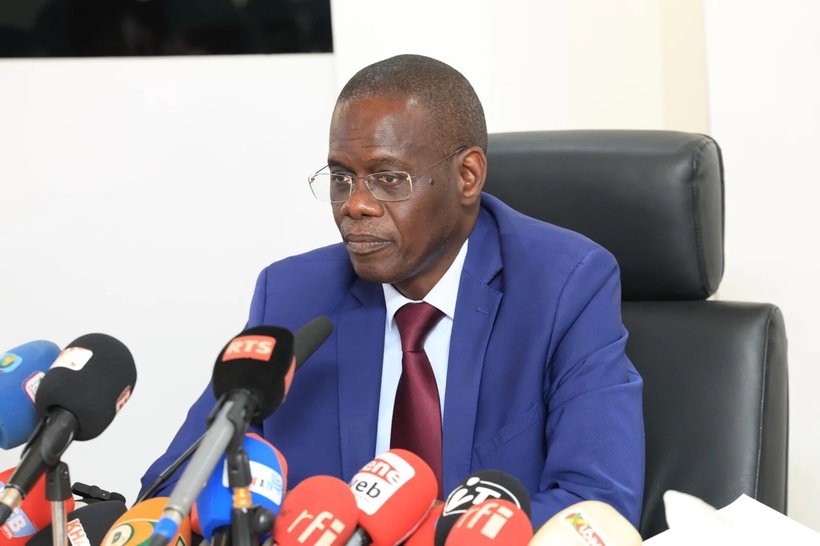
The Senegalese government and the International Monetary Fund (FMI) teams have reached a staff-level agreement for a 36-month program under the Extended Credit Facility (ECF). This crucial support, valued at nearly 2.2 billion dollars (approximately 1,229 billion FCFA), is designed to restore the nation’s fiscal viability while simultaneously fostering growth in the private sector.
A significant financial boost is now on the horizon for Sénégal’s state treasury. The FMI and authorities in Dakar have formalized a technical understanding aimed at bolstering the country’s economic trajectory for the period spanning 2026 to 2029.
An economy driven by hydrocarbon dynamics
Despite a challenging financial landscape, Sénégal’s macroeconomic indicators highlight the national economy’s impressive resilience:
A projected growth rate of 6.7% in 2025, primarily fueled by the accelerating oil production.
A robust rebound in non-hydrocarbon GDP to 4.7% during the first quarter of 2026, largely propelled by household consumption.
Inflation effectively managed at 1.4%, diligently safeguarding the purchasing power of households.

Focus on fiscal discipline and social equity
This comprehensive three-year program is structured around several key strategic pillars:
Boosting domestic revenues to strategically diminish reliance on external debt.
Strengthening governance and enhancing budgetary transparency across all levels.
Preserving vital social safety nets to shield the most vulnerable populations from potential economic adjustments.
However, the definitive approval and subsequent disbursement of these funds remain contingent upon validation by the FMI’s Executive Board, the successful implementation of specified corrective measures, and securing financing assurances from Dakar’s international partners.
Comments are closed, but trackbacks and pingbacks are open.